

- Help & Advice
- How To Guides
- How to Waterproof a Shed
How to Waterproof a Shed
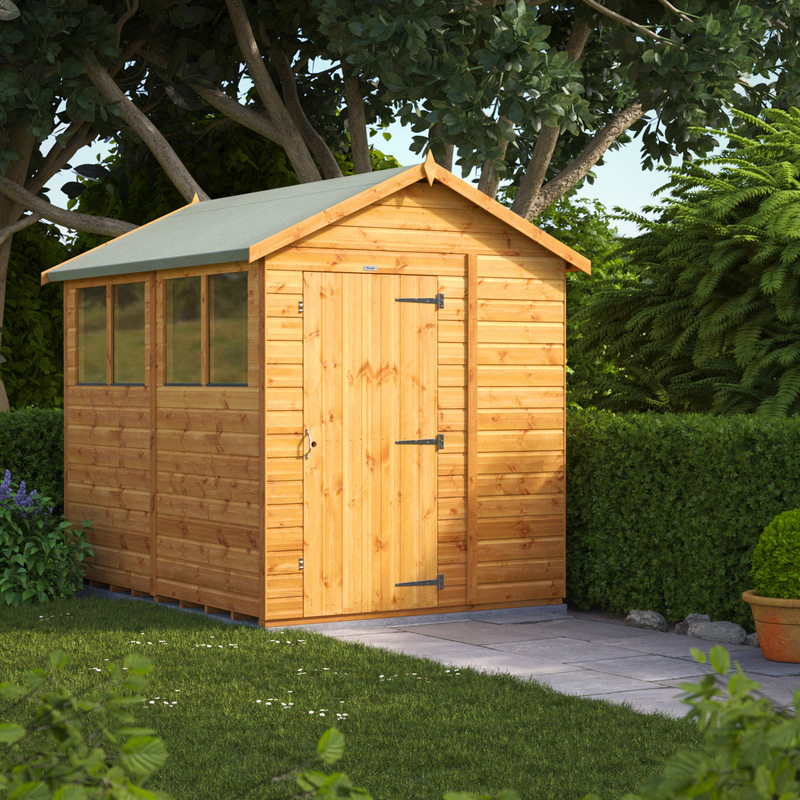
No matter what type of shed you have, there are a few things you can do to keep it in tip-top condition, adding to its durability and increasing its lifespan. This is especially true of sheds made from wood.
Wooden sheds are more prone to weather damage which, over time, can lead to rot and decay. But the great news is there are several simple and effective steps you can take to minimise this damage, helping to keep your wooden shed in good condition all year round. From protecting the base and sealing gaps to choosing the right treatments and finishes, proper waterproofing doesn’t have to be complicated. Let’s look at some of the best ways to waterproof your shed and protect it from the elements.
Tools You'll Need to Waterproof Your Shed
Method 1: Paint Your Shed
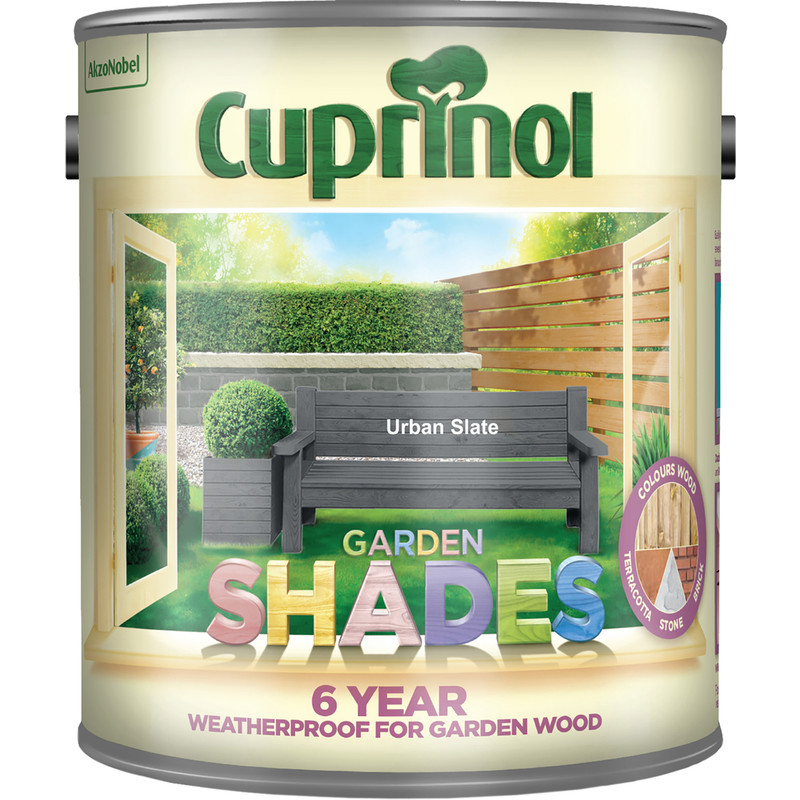
Painting your shed with a suitable weatherproof paint, stain, or preservative is one of the easiest and most effective ways to protect it from the elements.
It works by sealing the wood, creating a protective barrier against rain and moisture. This prevents water from soaking in to the wood, thereby reducing the risk of rot and decay. Not only does it prevent against swelling and cracking, it can also improve the shed’s appearance. It's worth noting that regular reapplication is necessary to keep the protection effective over time.
How to paint your shed:
-
Clean the shed to remove dirt, algae, or loose paint
-
Make sure the wood is completely dry before starting
-
Apply a weatherproof paint, stain, or preservative using a brush or roller
-
Pay extra attention to edges, joints, and the base
-
Reapply every couple of years to maintain protection
Method 2: Felt the Shed Roof
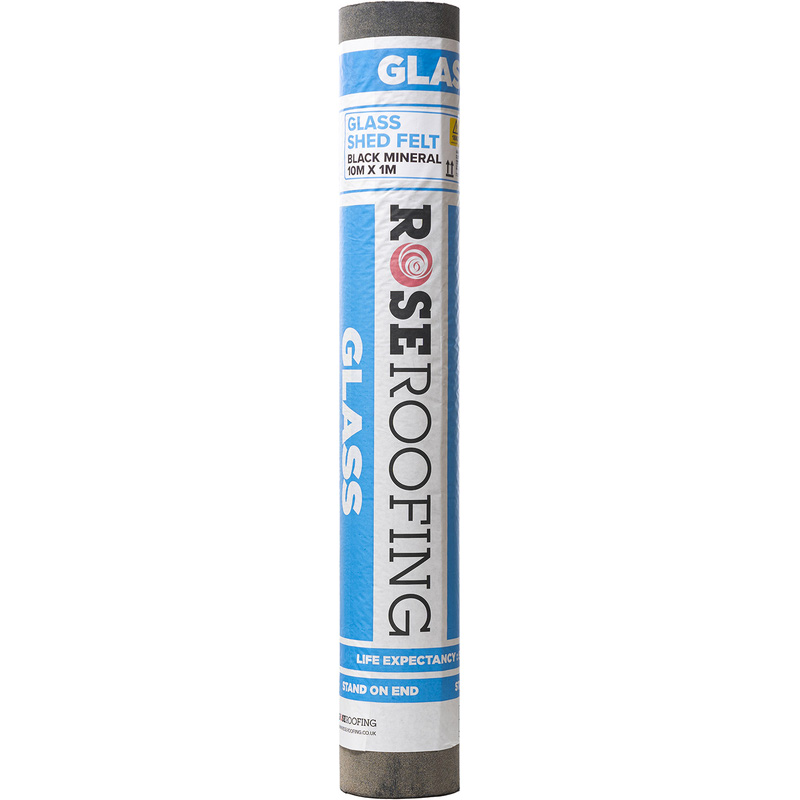
Because the roof is the part of the shed most exposed to rain, felting the shed roof to keep it well covered is really important.
Roofing felt is designed to be waterproof and helps stop leaks, drips, and damp patches forming inside. Replacing worn or damaged felt can make a big difference when it comes to improving your shed’s resistance to water.
How to felt a shed roof:
-
Remove any old or damaged felt
-
Check the roof boards for rot and repair if needed
-
Roll out new roofing felt, starting at the bottom
-
Secure it with clout nails, overlapping each layer
-
Seal edges and joins to prevent wind lift
Method 3: Fit Guttering
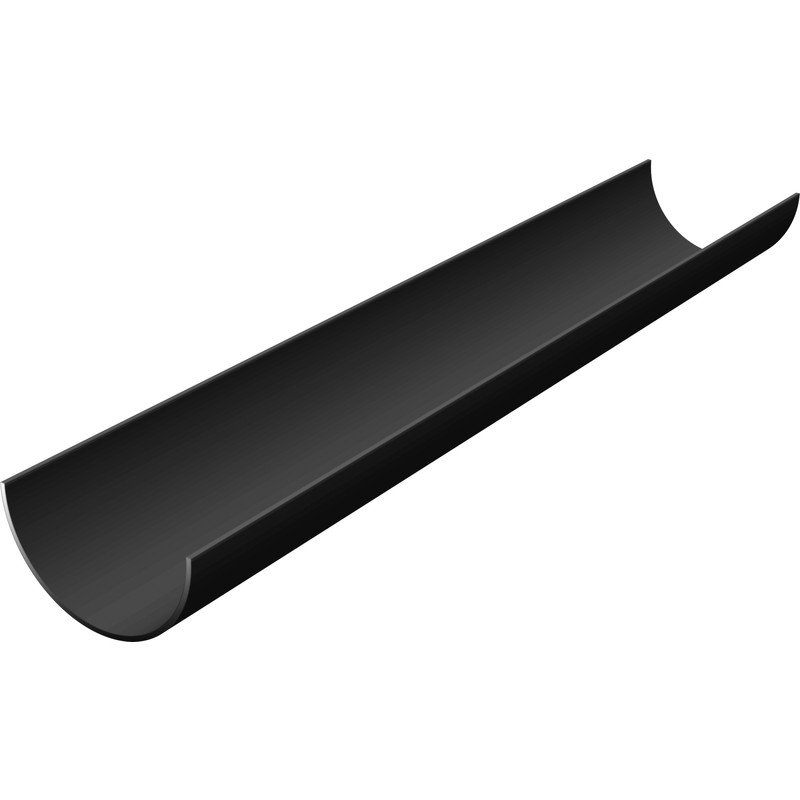
Fitting guttering to your shed helps control where rainwater goes once it runs off the roof. By directing water away from the shed, guttering prevents pooling around the base, splashback onto the walls, and long-term moisture damage to the structure, keeping damp and rot at bay.
It's a good idea to check gutters regularly, looking out for any leaks and build up of leaves and debris, which could render the guttering less effective.
How to fit shed guttering:
-
Measure the length of the roof edge
-
Attach gutter brackets with a slight downward slope
-
Clip the guttering into place
-
Add a downpipe to direct water away from the shed
-
Consider connecting it to a water butt or drain
Method 4: Seal Gaps and Joints
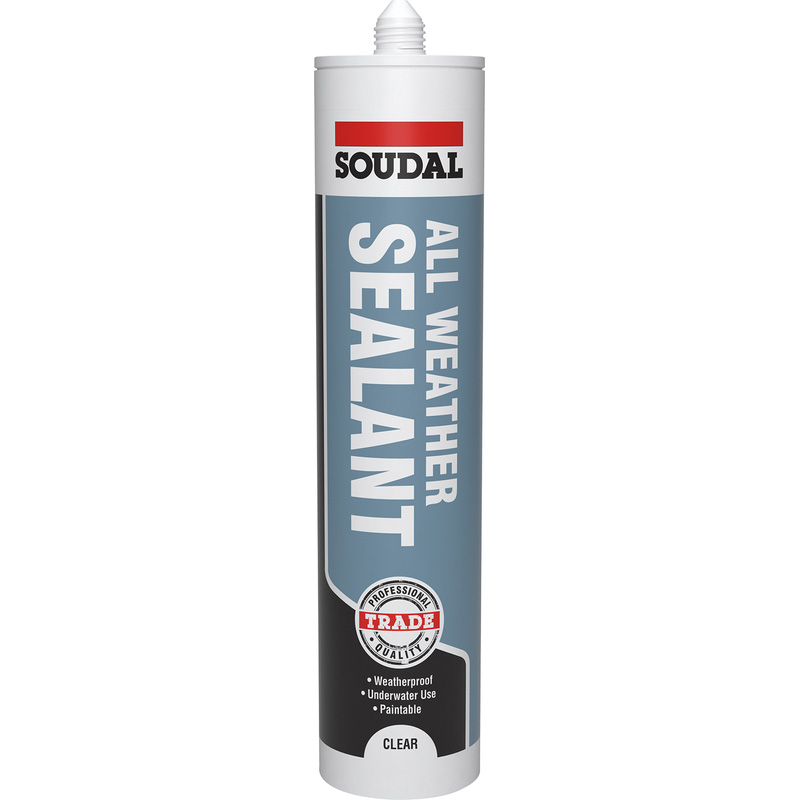
Over time, it's pretty common for small gaps to appear around doors, windows, and panel joins. These can allow rainwater and draughts to enter the shed. Sealing these weak points with a weatherproof sealant or exterior wood filler helps keep moisture out and improves the overall waterproofing, especially during heavy or wind-driven rain.
How to seal gaps and joints:
-
Inspect the shed for visible gaps or cracks
-
Use exterior-grade sealant or wood filler
-
Apply sealant around doors, windows, and joins
-
Smooth and allow to dry fully
-
Repaint or treat sealed areas if needed
Method 5: Raising the Shed Base
Moisture from the ground can cause serious damage if a shed sits directly on soil or grass. Raising the shed allows air to circulate underneath and can prevent damp from rising into the floor and walls, significantly reducing the risk of rot. Building a shed from scratch is usually the best time to ensure it's set on a raised base (such as concrete or paving slabs).
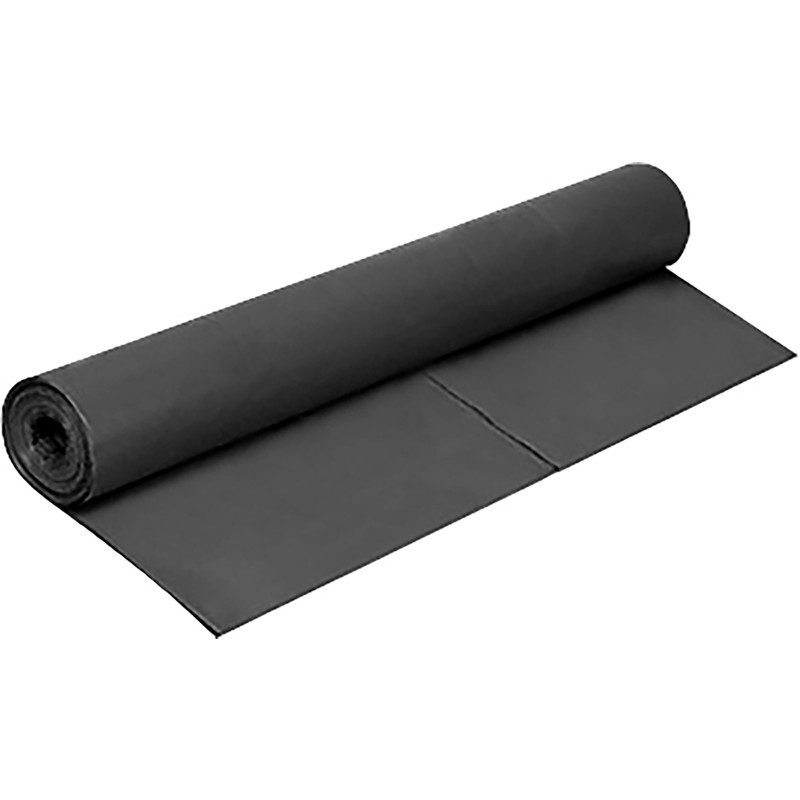
A damp-proof membrane beneath the shed or floor adds an extra layer of protection against ground moisture, especially in areas prone to standing water.
How to raise a shed base:
-
Install the shed on concrete, paving slabs, or a timber base
-
Ensure the base is level and slightly raised off the ground
-
Use a damp-proof membrane if possible
-
Keep vegetation and debris clear from around the base