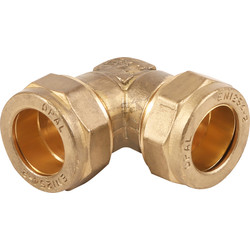
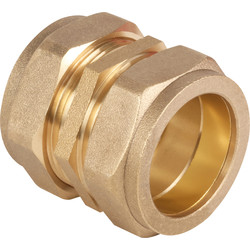
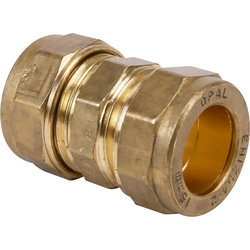
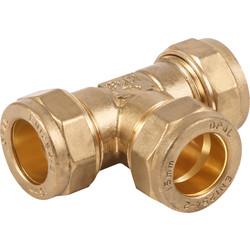
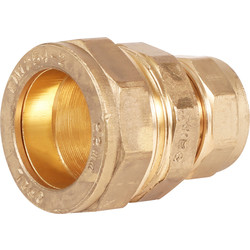
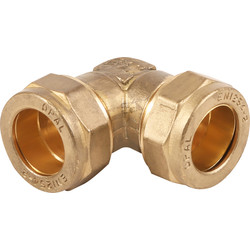
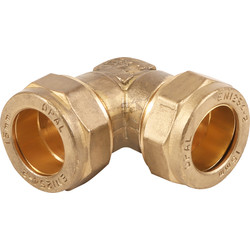
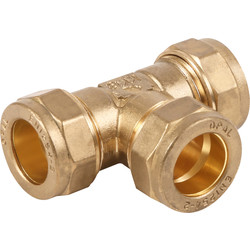
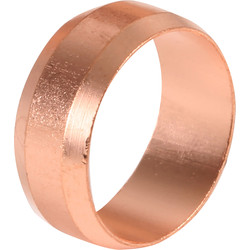
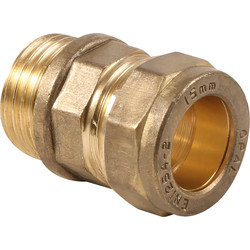
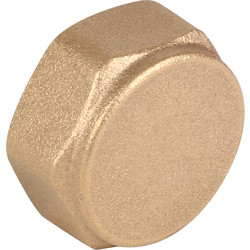
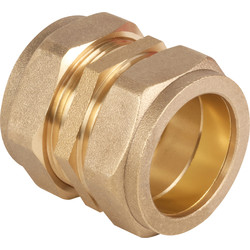
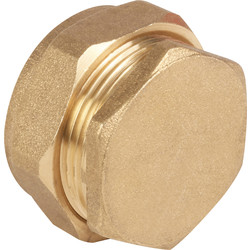
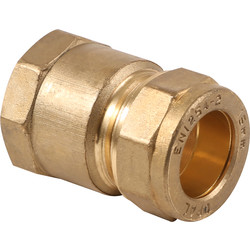
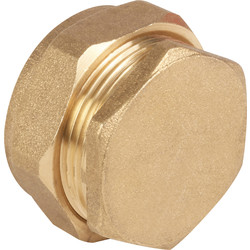
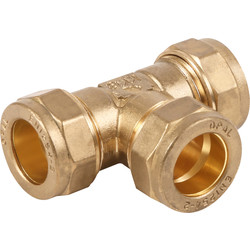
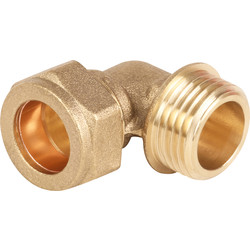
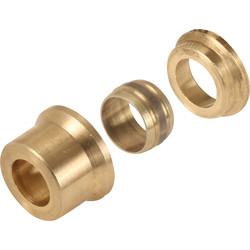
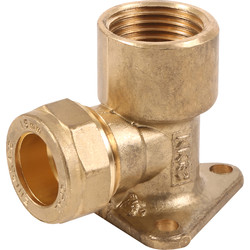
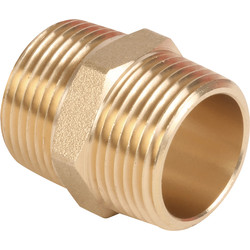
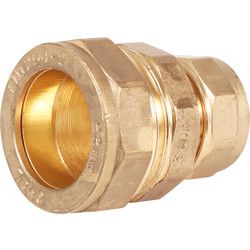
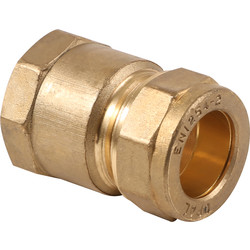
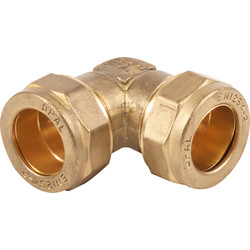
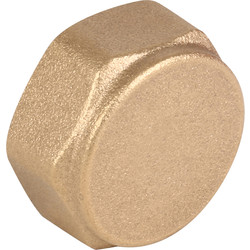
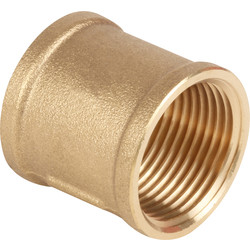
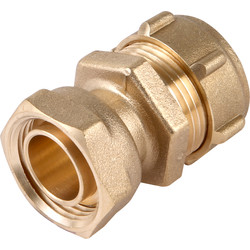
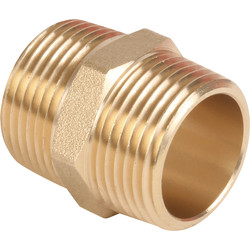
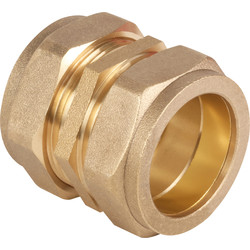
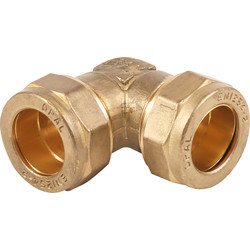
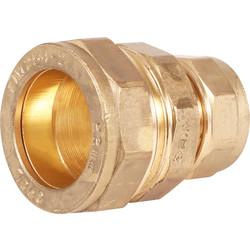
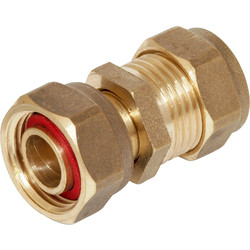
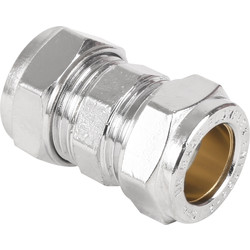
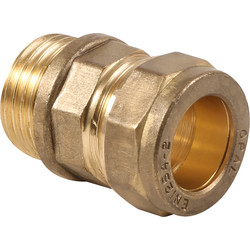
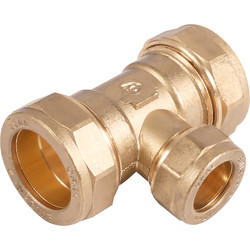
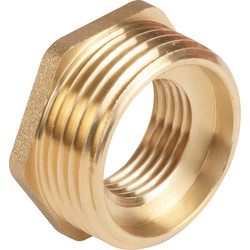
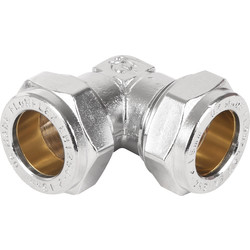
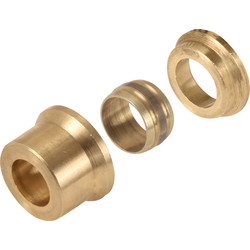
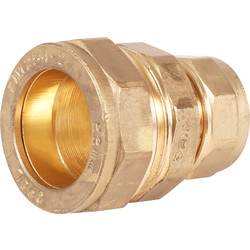
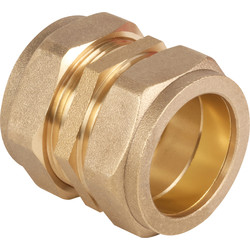
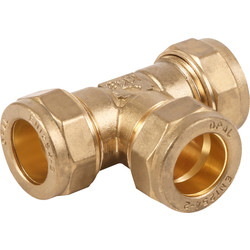
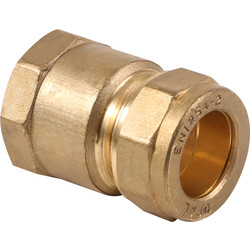
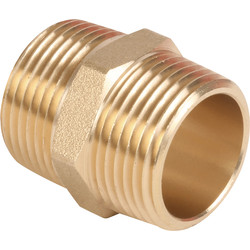
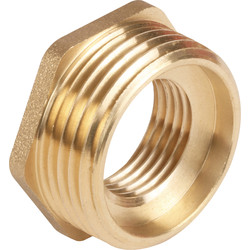
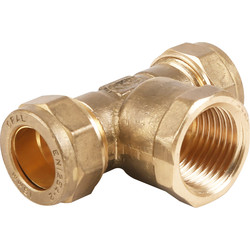
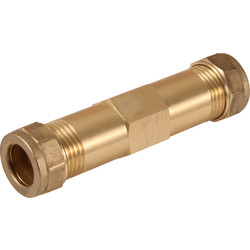
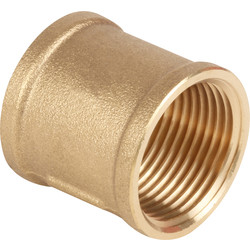
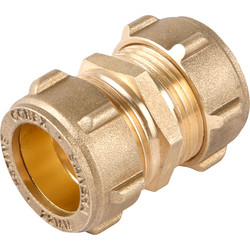
Shop high-quality compression fittings from trusted brands at Toolstation, including Made4Trade and Conex Banninger. If you need compression joints, elbows, connectors, couplers, tees or other plumbing compression fittings, we’ve got plenty of products to choose from.
What Are Compression Fittings Used For?
Compression fittings are used to join pipes quickly and efficiently without soldering. They are available in various sizes and configurations – you’ll find 28mm, 25mm and 15mm compression fittings here, plus many more. Choose from stainless steel, brass or chrome-plated compression fittings to suit your aesthetic preference.
Our range features affordable, durable compression fittings, so you can guarantee the safety and longevity of any plumbing job. Compression fittings are an excellent choice when installing hot or cold water pipes or repairing existing gas and central heating systems.
FAQs
Can you use a compression fitting on copper pipes?
Yes, compression fittings are often used on copper pipes. They create a watertight seal by tightening a nut and olive (ferrule) around the pipe, making them ideal for copper plumbing systems.
How do you know if a compression fitting is tight enough?
A compression fitting is tight enough when it’s firmly secured and resistance is felt as you tighten, typically after 1–1.5 full turns past hand-tight. Overtightening should be avoided as it can damage the thread and components.
What is the maximum pressure rating for compression fittings?
Most standard compression fittings are suitable for domestic plumbing pressures, usually around 10 bar (145 psi), though this can vary by manufacturer and fitting type. Always check the product specification for exact ratings.
Are compression fittings compatible with plastic pipe?
Yes, but only when used with the correct insert or support sleeve inside the pipe. This helps prevent the plastic from deforming and ensures a secure seal.
How can I tell if a compression fitting is leaking?
Signs of a leaking compression fitting include visible drips, dampness around the joint, or a drop in system pressure. You may also notice corrosion or mineral deposits forming around the connection itself.
What tools are required to install compression fittings?
Basic tools include an adjustable spanner or spanners of the correct size and a pipe cutter. PTFE tape is not typically required for the compression joint itself but may be used on threaded connections
Where should compression fittings not be used?
Compression fittings should generally be avoided in concealed or inaccessible locations where future maintenance may be difficult. They’re also not ideal for high-vibration systems or where soldered or press-fit joints are preferred for added security.