

- Help & Advice
- How To Guides
- How To Bleed A Radiator
How To Bleed A Radiator
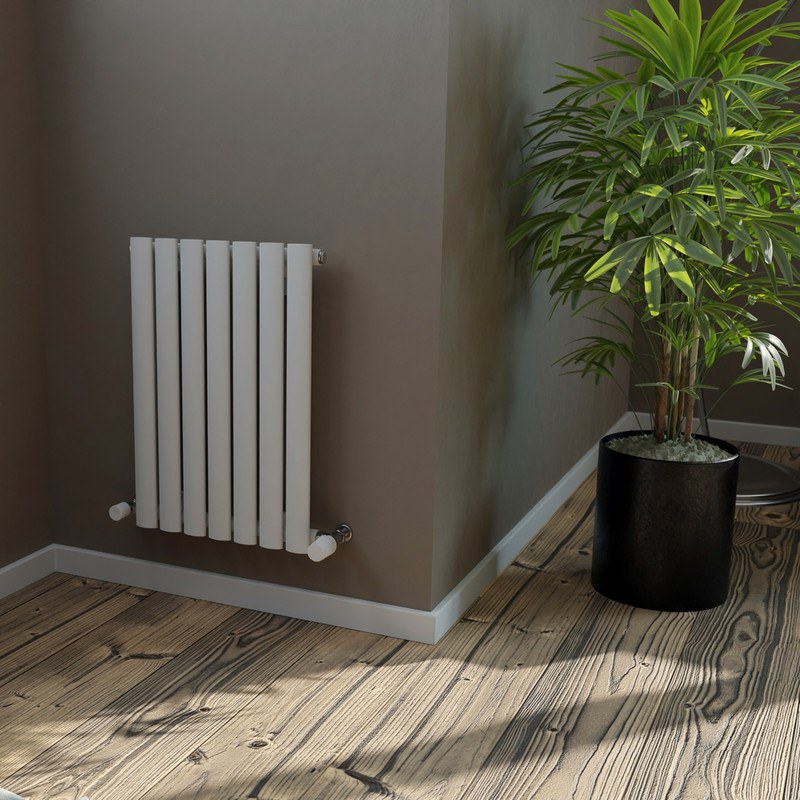
Trapped air in your radiator can cause cold spots and reduce heating efficiency. Bleeding your radiator is a quick, easy fix that ensures your heating system works properly. Here’s a complete guide for doing it safely and effectively.
Tools You'll Need
-
Cloth or small towel
-
Container or bowl to catch water
Step 1: Identify Cold Radiators
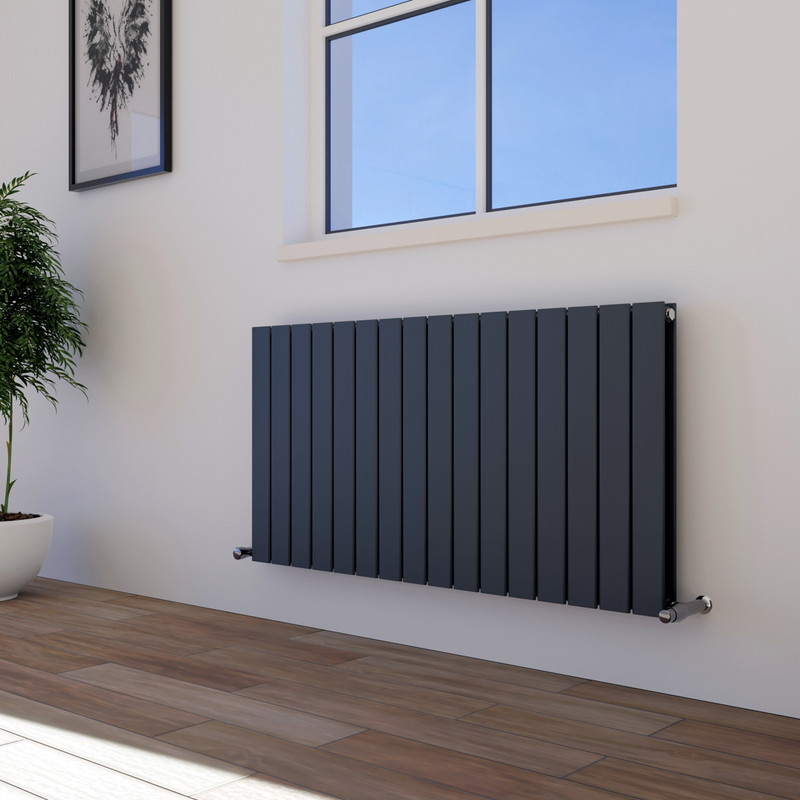
You'll need to do this when the heating is on. Radiators with cold spots at the top often have trapped air. Start with the radiator furthest from your boiler and feel for any temperature differences. If the top of the radiator is cold and the bottom hot, trapped air is the likely cause. These are the radiators that'll require bleeding.
Step 2: Turn Off Your Heating
Now you know which radiators to bleed, turn off your heating. Always switch off your central heating and allow radiators to completely cool. This prevents hot water burns and makes bleeding easier.
Step 3: Locate the Bleed Valve
The bleed valve is usually a small square or slotted valve at the top corner. This is where the trapped air escapes.
Step 4: Bleed the Radiator
- Place a container or cloth under the valve.
- Insert the radiator key (or a screwdriver).
- Turn anti-clockwise slowly. You’ll hear a hissing sound — that’s the trapped air escaping.
- When water starts flowing steadily, turn the valve clockwise to close it.
Step 5: Check Your Boiler Pressure
Bleeding can lower system pressure on your boiler. Check your boiler gauge - if below 1 bar, top up to 1.2–1.5 bar following your boiler instructions.
Step 6: Turn Heating Back On
Switch the heating on and check all radiators heat evenly. Repeat the bleeding process if cold spots remain.
Tips & Safety
-
Never bleed a radiator when it’s hot.
-
Wear gloves to protect against hot water.
-
Keep a cloth handy to catch drips.
-
Repeat bleeding if the radiator remains cold after initial attempt.
-
If a radiator has no bleed valve, contact a professional.
Frequently Asked Questions
Can I bleed a radiator while the heating is on?
What tools are needed to bleed a radiator?
How often should I bleed my radiators?
What if my radiator keeps dripping after bleeding?
Do I need to bleed all radiators?
Summary Table
|
Step |
Tool |
Tip |
|
Turn off heating |
– |
Let radiators cool 15–30 mins |
|
Locate cold spots |
– |
Start furthest from boiler |
|
Open bleed valve |
Radiator key |
Turn slowly, listen for hissing |
|
Close valve |
– |
Stop when water flows steadily |
|
Check pressure |
– |
Top up to 1.2–1.5 bar if needed |
|
Turn heating on |
– |
Check radiators heat evenly |