

- Help & Advice
- How To Guides
- How To Heat A Shed
How To Heat A Shed
Whether you're pottering around in your garden shed, unwinding in your summerhouse, or retreating to a cosy log cabin, keeping the space warm and toasty is key to making the most of it, especially during chilly evenings and throughout the colder months of the year.
From quick and easy fixes to more long-term heating options, we’ve gathered some of the most effective ways to keep your shed, summerhouse, or log cabin warm and comfortable. Just keep in mind that these heating methods work best when your shed is properly insulated.
Method 1: Use an Electric Heater
If your garden outbuilding is connected to mains power, electric heaters offer one of the easiest and most convenient ways to heat the space. They're typically quick to set up, require little to no maintenance, and provide clean, fume-free heat, making them ideal for enclosed areas like your garden shed.
There are several types of heaters available, each offering different benefits.
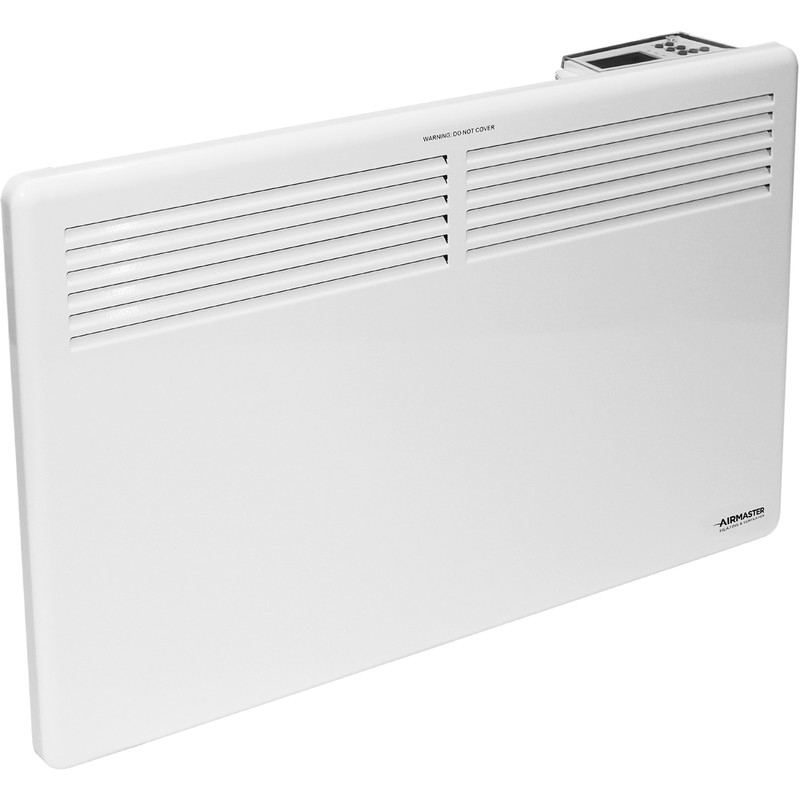
Panel Heaters
For those who prefer a quiet, discreet heating solution, panel heaters are an excellent choice. These units are almost silent when running and have a slim, wall-mountable design that takes up little floor space - perfect for smaller or more cluttered sheds. They provide gentle, consistent heat, although they may take a little longer to warm the room compared to more powerful options.
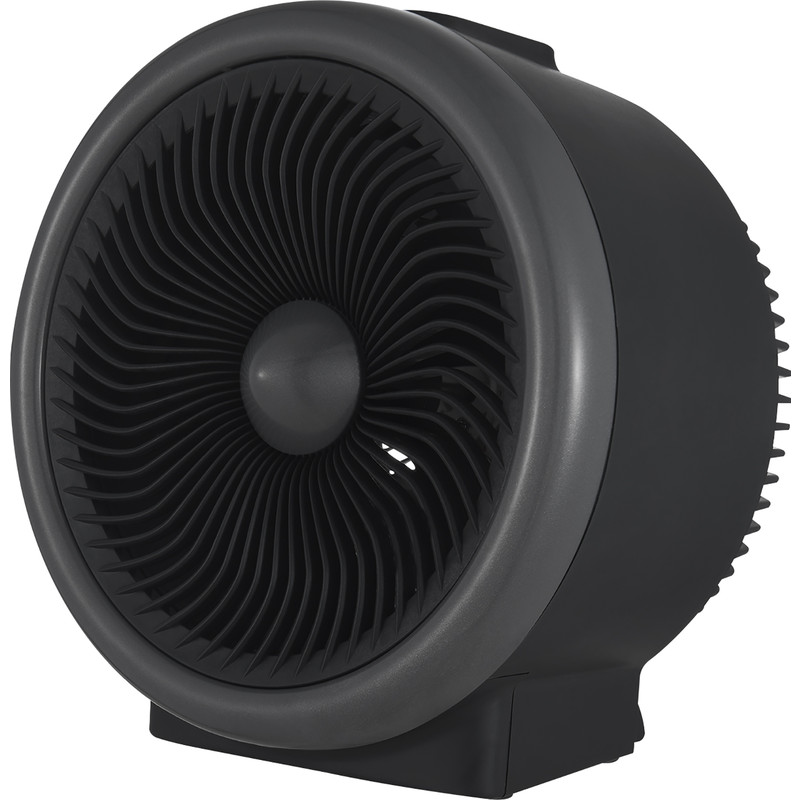
Fan Heaters
If quick warmth is a priority, fan heaters are often the best option. These heaters blow air across a heated element, pushing warm air into the room almost instantly. They’re compact, portable, and capable of rapidly raising the temperature in a small to medium-sized shed. However, they can be a bit noisy due to the built-in fan and are better suited for short bursts of use rather than all-day heating.
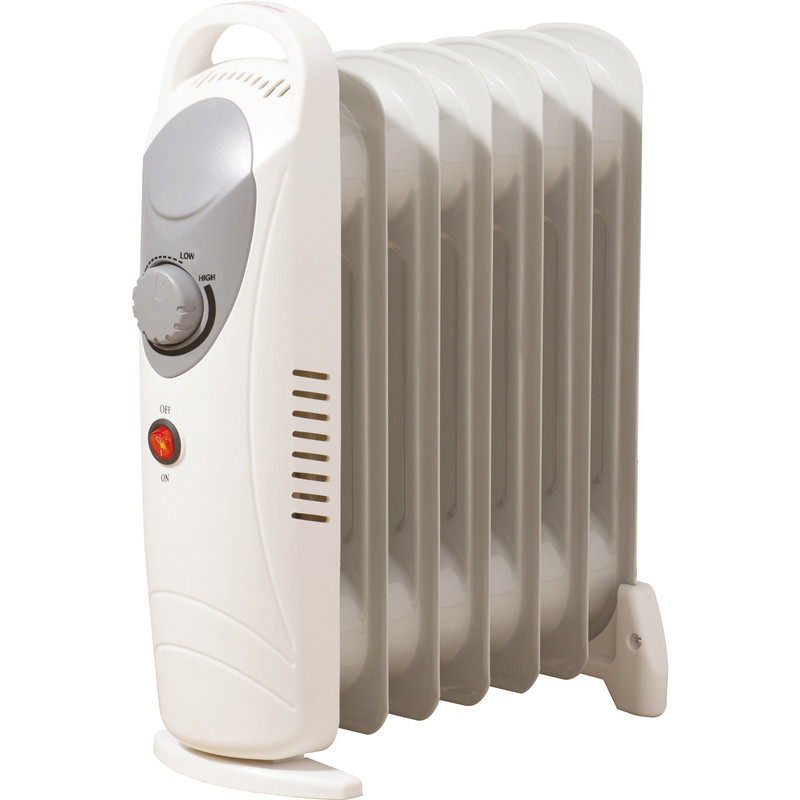
Oil-Filled Radiators
Another reliable choice is an oil-filled radiator. These are slower to heat up but retain warmth well and operate quietly. They're particularly good for longer periods of use and maintaining a stable temperature throughout the day. It’s worth noting that some styles can be quite bulky so may not be the best option for smaller sheds or summerhouses and while they retain heat well, the surface remains hot which could pose a risk of burns.
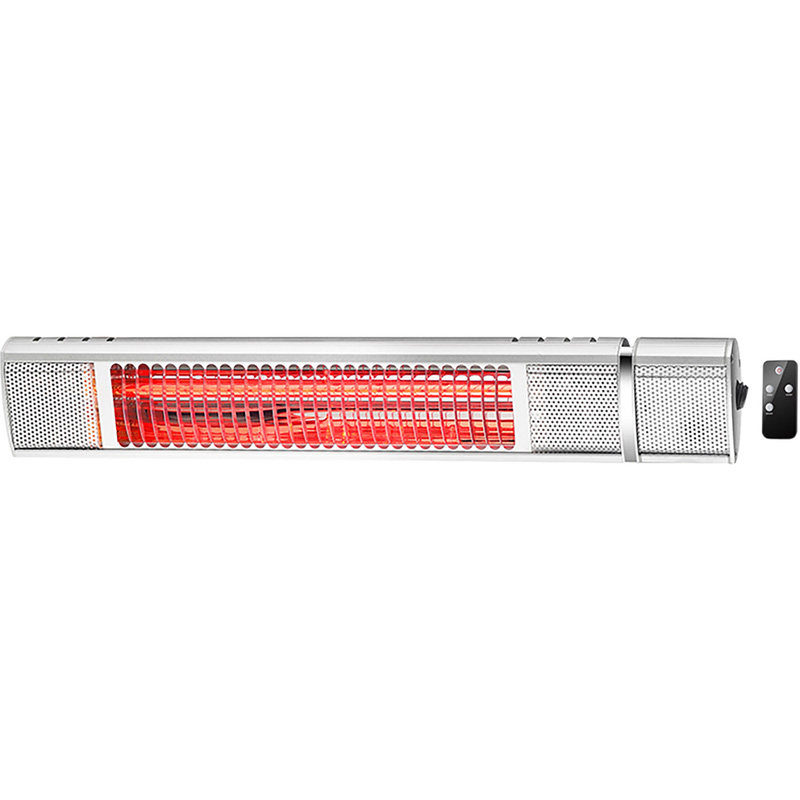
Infrared Heaters
Infrared heaters, sometimes known as radiant heaters, are a little different and work by warming up objects and people directly, rather than heating the air around you. They’re effective for spot heating in sheds where you’re seated or working in one place, but they won’t necessarily warm the whole room. That said, they’re energy efficient and require little in the way of maintenance.
Method 2: Use a Non-Electric Heater
If your shed isn’t connected to the mains, you’re not out of options as non-electric heaters can provide an effective and efficient way to keep your outbuilding warm. Like electric heaters, many of these devices are simple to set up and offer quick heat output. However, it’s important to consider ventilation and safety when using fuel-burning heaters in enclosed spaces.
Here are the most common types of non-electric heaters you can use in your shed.

Propane Heaters
Propane heaters are one of the most popular non-electric heating options. They work by burning propane gas, which produces instant and powerful heat making them ideal for everything from small garden sheds to larger summerhouses and workshops. Many models are portable and self-contained, using refillable propane canisters. Keep in mind that propane tanks will need regular refilling and ventilation is vital to prevent carbon monoxide buildup.
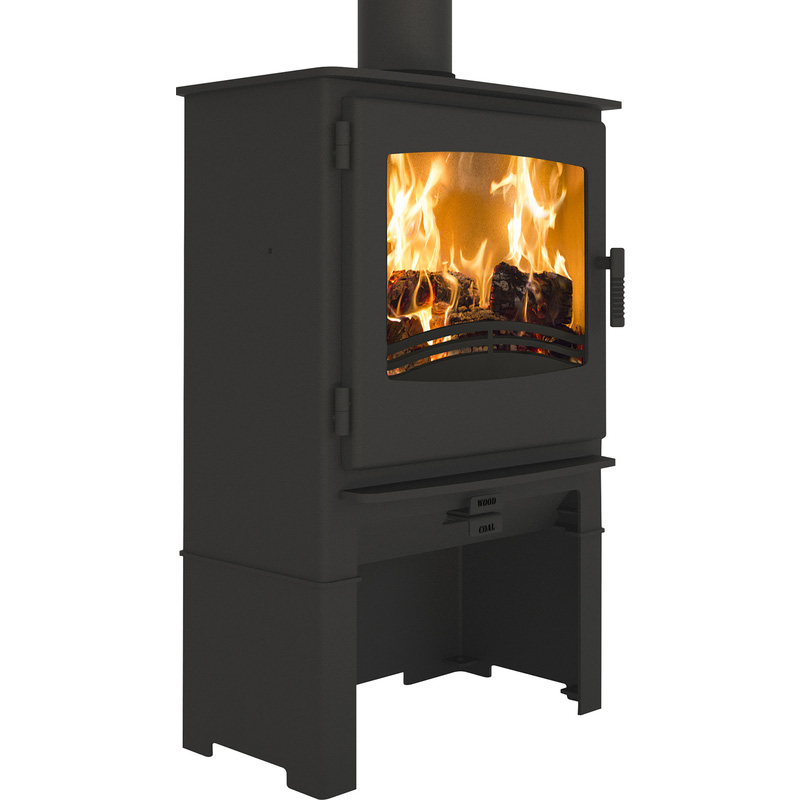
Wood Burning Stove
For a more traditional heating solution, a wood-burning stove can be a perfect long-term option. Once lit, these stoves provide steady, radiant heat and can make your shed, summerhouse or log cabin feel cozy and dry while helping to prevent the build-up of damp and condensation. An important thing to consider is they’ll require a little more in the way of installation as you'll need to fit a chimney or flue to expel any fumes and keep air quality healthy.
Method 3: Fit Insulation
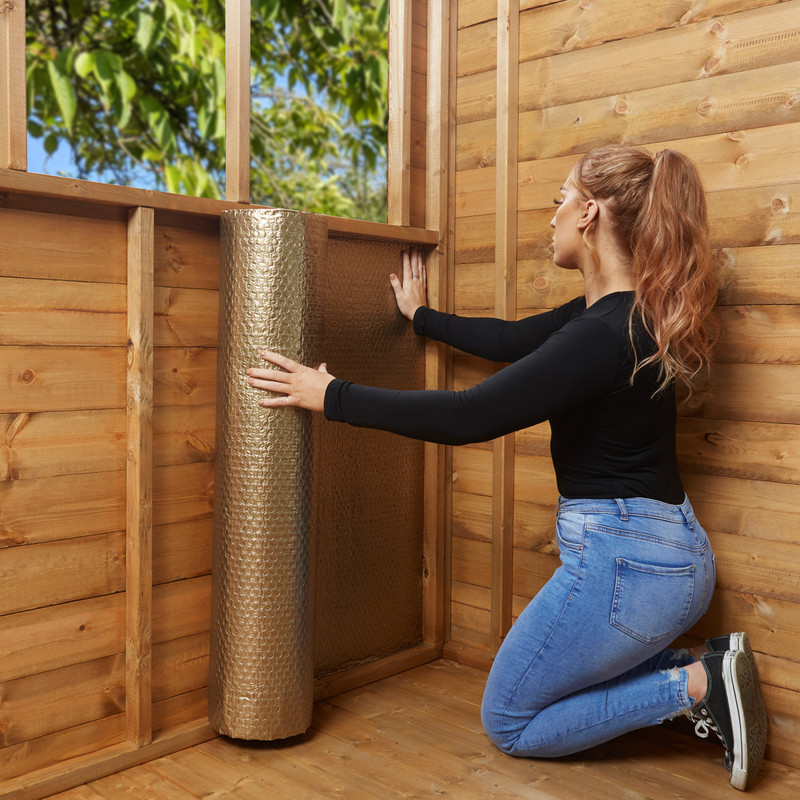
Whether you opt for an electric or non-electric heater, insulating your shed is essential. Without it, most of the heat you generate will quickly escape through the walls, roof, and floor, making your heater work harder and your shed less comfortable. Insulating your shed not only keeps it warm in winter, but also helps maintain a stable temperature year-round.