

- Help & Advice
- How To Guides
- How to Unblock Gutter Downpipe
How to Unblock a Gutter Downpipe
Failure to address a blocked gutter downpipe can lead to all sorts of problems. Not only can it result in the build up of mould and damp, it can cause more serious structural issues over time.
When water can’t drain away properly, it overflows from the gutters, soaking external walls, seeping into your home, and pooling around the foundations. This build-up of moisture can weaken brickwork, damage roofing, and even lead to cracks and movement in the building itself. In many ways, the issues mirror those caused by a blocked drain, where restricted water flow can quickly escalate into more widespread damage if left unresolved.
Understanding the different types of guttering installed on your property can also help you identify potential weak points and prevent blockages from occurring in the first place.
That said, unblocking a gutter downpipe is a relatively straightforward DIY job that requires a few basic tools and a bit of know-how. In this guide, we’ll show you exactly how to unblock it safely and effectively, so you can protect your home from unnecessary damage.
Tools You'll Need


Signs Your Gutter Downpipe Is Blocked
Water Overflowing From Gutters
One of the most obvious signs is water spilling over the sides of your gutters during rainfall. Instead of flowing through the downpipe, the water backs up and overflows, often cascading down exterior walls.
Water Not Draining From the Downpipe Outlet
Check the bottom of your downpipe while it’s raining. If little to no water is coming out, or it’s just trickling despite heavy rain, there’s probably a blockage somewhere inside.
Sagging or Bowing Gutters
When debris builds up and traps water, the added weight can cause gutters to sag or pull away from the fascia. This is often a sign that water isn’t draining as it should.
Visible Debris in the Gutter or Pipe
Leaves, moss, twigs, and even bird nests can build-up and block the flow of water. If you can see a build-up at the top of the downpipe, there’s a good chance of a blockage further down the pipe too.
Damp Patches on External Walls
Overflowing water can soak into brickwork, leading to dark, damp patches on exterior walls. Over time, this can also translate into internal damp issues.
Water Pooling Around the Base of Your Home
If you notice puddles forming near your foundations after rain, it could mean the downpipe isn’t directing water away properly due to a blocked downpipe.
Method 1: Clear Debris From the Top of the Downpipe
Start with the most accessible point, which is usually where the gutter feeds into the downpipe. This is where blockages typically form, as leaves, moss, and twigs tend to gather here first.
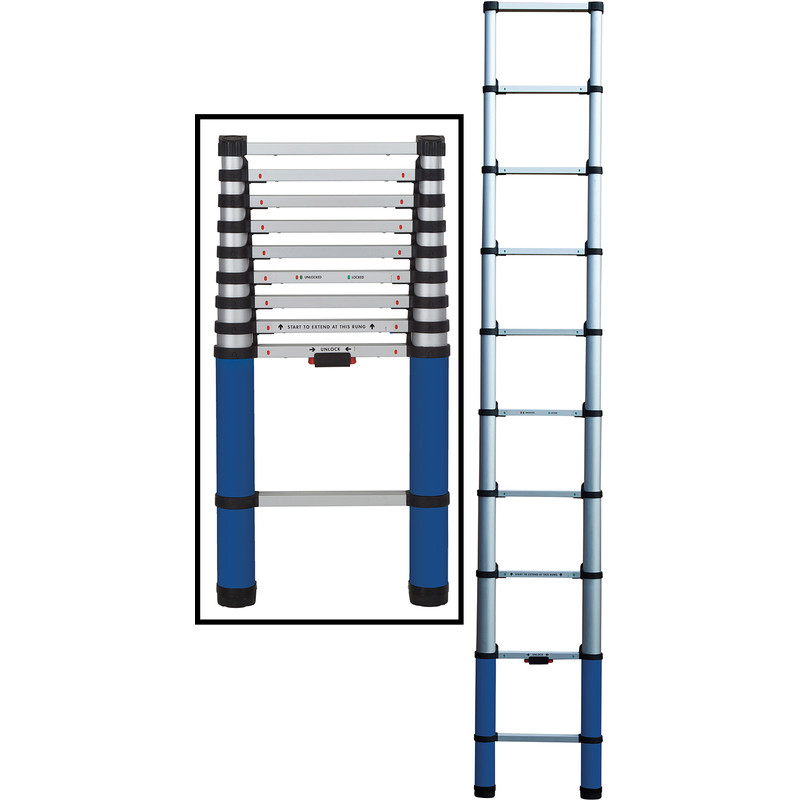
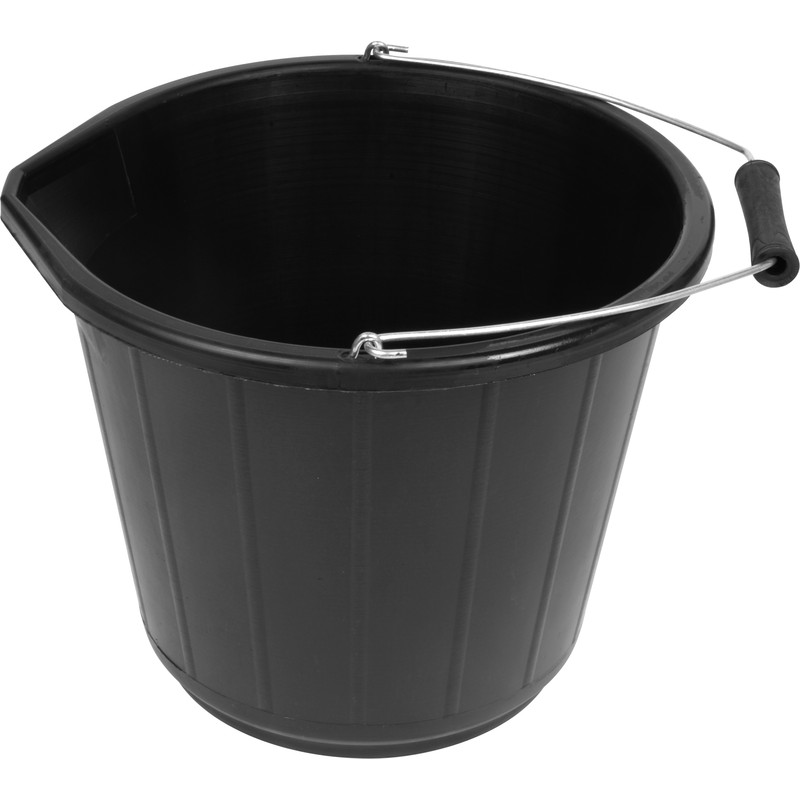
Use a ladder and pop on a pair of gloves before removing any visible debris by hand or with a small scoop. Keeping a bucket or garden bag to one side can help to keep things tidy as you work. Once cleared, you may find that water can already flow freely again. Even if it doesn’t fully solve the issue, this step makes the following methods much more effective.
Method 2: Flush the Downpipe With a Garden Hose
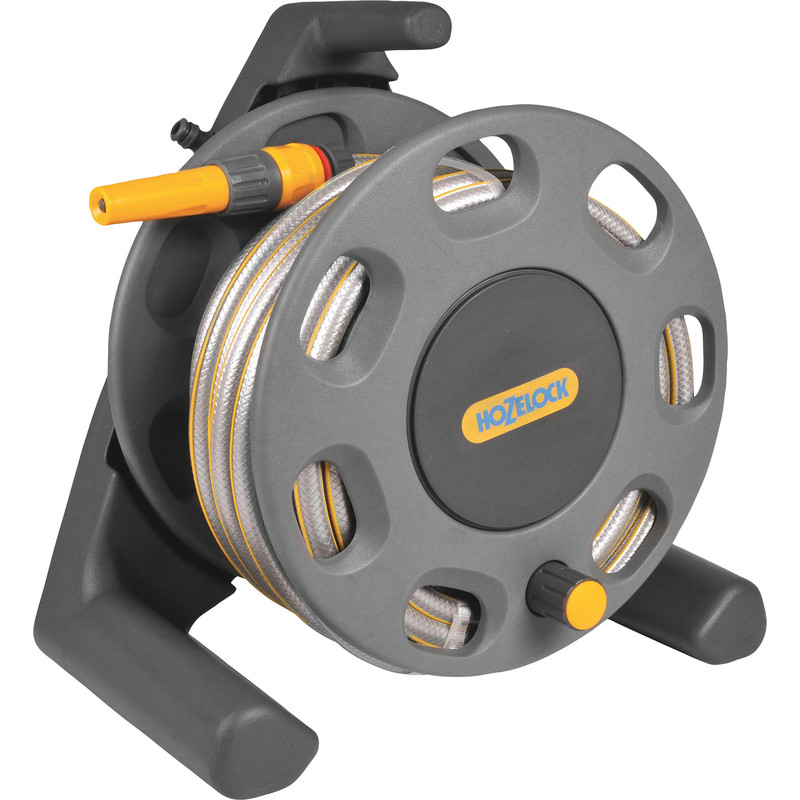
With the top cleared, run a garden hose directly into the downpipe. Turn the water on gradually and monitor how it drains.
If the pipe is clear, water should flow out quickly at the bottom. If it starts backing up or overflowing, this indicates that there’s still a blockage further down. Sometimes the pressure from the hose is enough to shift smaller clogs and loose material, so it’s always worth trying before moving on to our next suggestions.
Method 3: Use a Drain Rod or Plumber’s Snake
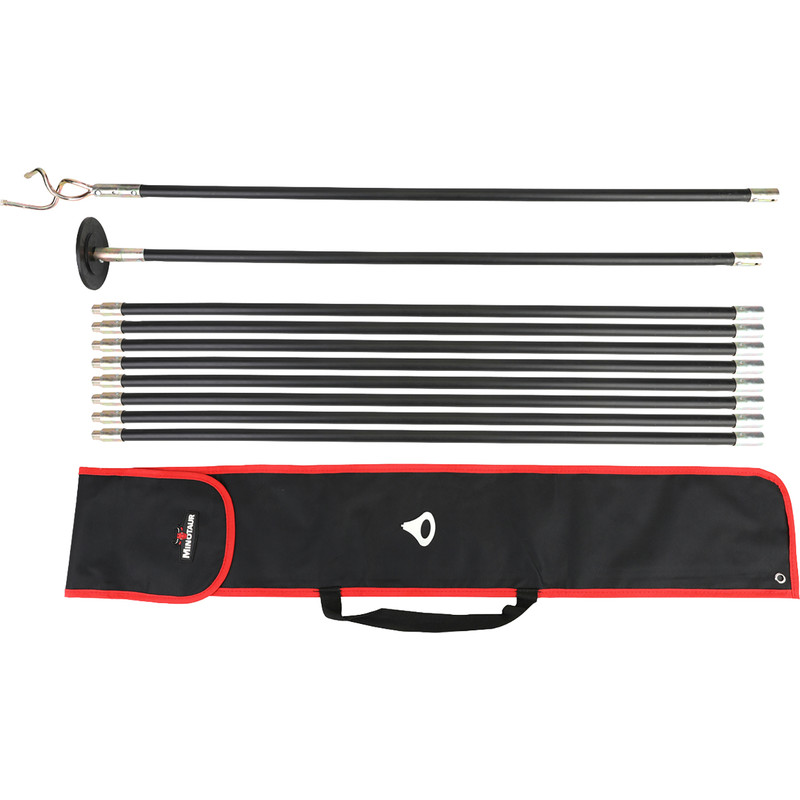
For tougher blockages, a drain rod is one of the most effective tools. Insert it into the downpipe from the top (or bottom if that's easier) and gently push it through the pipe.
You’ll probably feel a little resistance when you reach the blockage - work the tool back and forth to break it up. Avoid forcing it too aggressively, especially with plastic pipes, as this can cause damage. Once you’ve loosened the debris, flush the pipe again with water to shift the remaining blockage.
Method 4: Use a Wet & Dry Vacuum
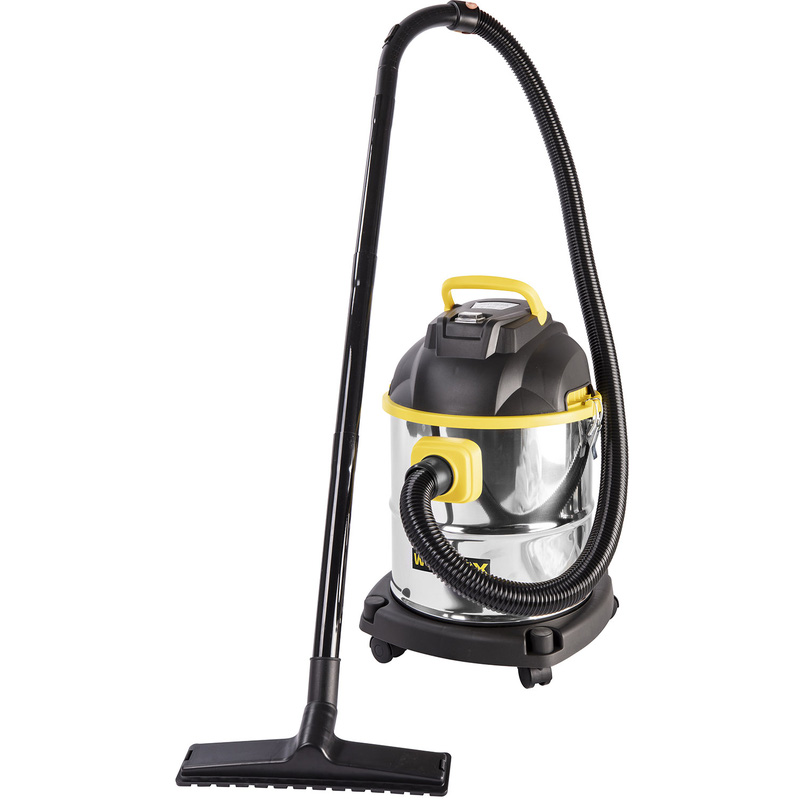
If you've got a wet and dry vacuum, this can be a quick way to remove loose debris. Place the nozzle at the bottom of the downpipe and let the vacuum pull out any material causing the blockage.
This works best for lighter debris rather than compacted clogs, but it can save time and reduce mess compared to other, more manual methods.
Method 5: Use a Pressure Washer
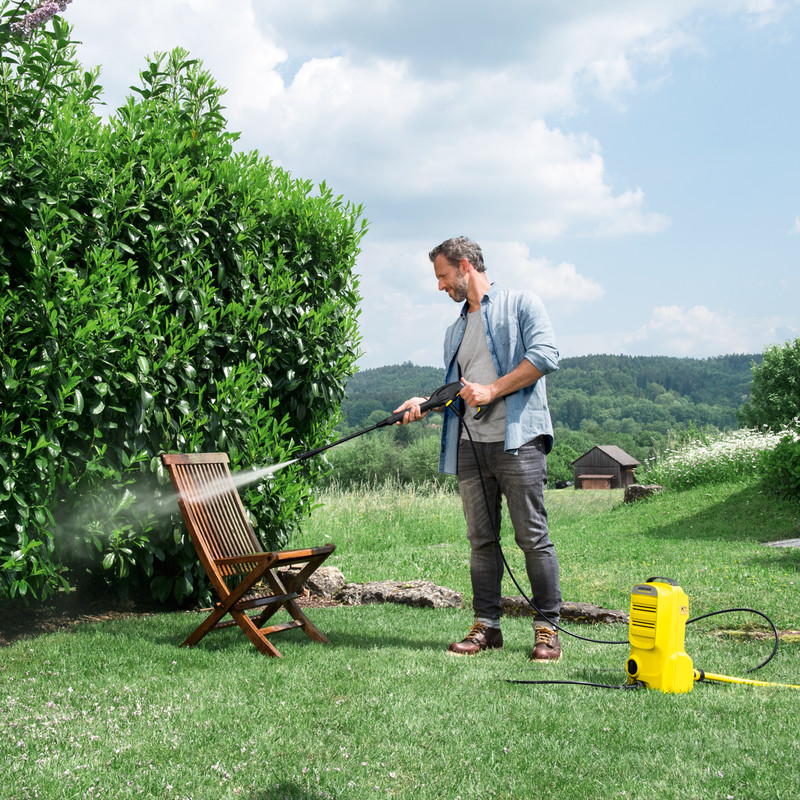
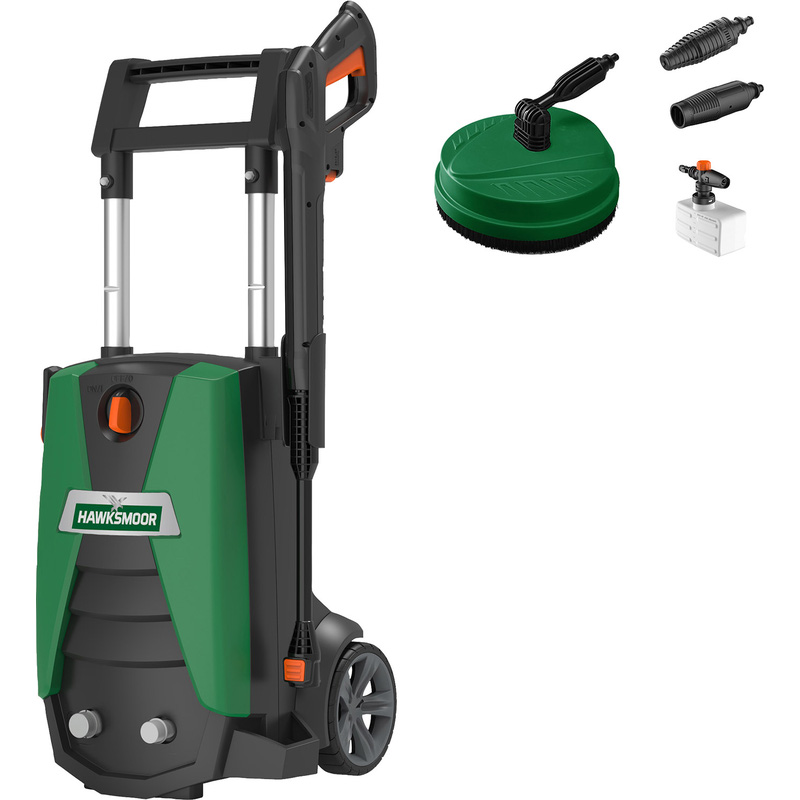
For a more powerful clean, a pressure washer can help blast through stubborn debris. Insert the end of the washer into the pipe and let the pressure of the water do all the hard work.
This is especially useful for taller properties or hard-to-reach areas, but it’s important to use the correct pressure setting to avoid damaging the pipe.