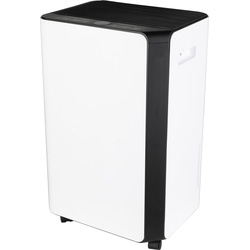


- Ventilation & Heating
- Ventilation
- Dehumidifiers
Air Dehumidifiers
Tackle damp, condensation and mould with ease using our wide range of dehumidifiers. By pulling excess moisture from the air and collecting it in a tank, a dehumidifier helps you keep rooms drier, fresher and more comfortable. This means you can protect walls, ceilings and furniture from damage - and enjoy a healthier living or working environment.
At Toolstation, you’ll find both desiccant dehumidifiers and compressor dehumidifiers from trusted brands like Dimplex, Draper, Wessex Electrical, Tristar and more.
Home & Industrial Dehumidifiers
Choose from electric dehumidifiers suitable for domestic or commercial use, with capacities ranging from compact models for small rooms to larger units for whole properties. Bigger water tanks allow for maximum moisture extraction, helping prevent condensation on walls and windows. Portable dehumidifiers with wheels are easy to move between rooms, while auto shut-off functions stop tanks from overflowing. Many models include handy extras such as continuous drainage, digital humidity controls and built-in timers.
Smart dehumidifiers can connect to your other smart devices, like smart thermostats, heaters and lighting, letting you monitor and control their use remotely.
What is a dehumidifier?
A dehumidifier removes excess moisture from the air and either collects it in a tank or drains it away. By lowering humidity levels, it helps prevent damp patches, mould growth and condensation on walls, ceilings and windows. Dehumidifiers are useful in homes, offices, workshops and building sites.
Do dehumidifiers use a lot of electricity?
Most are inexpensive to run. A typical home unit uses around the same amount of energy as a light bulb. For maximum efficiency, choose a model with an auto shut-off function or timer controls, so it only runs when needed.
Can a dehumidifier help with mould?
Yes. A dehumidifier won’t remove existing mould, but it will reduce the humidity that mould spores need to grow. For best results, clean away visible mould and fix any leaks first, then use the dehumidifier to keep the area dry and protected.
Do dehumidifiers work in cold rooms?
Standard compressor models can lose effectiveness when the temperature drops. This is where a desiccant dehumidifier shines; it keeps working in cold spaces like garages, sheds and basements. It also gives off a gentle warmth, which means a chilly room feels more comfortable at the same time as staying drier.
What size dehumidifier do I need?
The right size depends on the area and how damp it is. Smaller dehumidifiers are perfect for cupboards and single rooms, while larger units are better for medium to large spaces or whole-house use. A desiccant dehumidifier is a strong choice for colder, harder-to-heat rooms. Here is a general guide:
- Small rooms or cupboards – 10–12 L unit
- Medium rooms – 16–20 L unit
- Large rooms or whole‑house jobs – 20–25 L+ unit
Pick the size based on the area and how damp it is.
What is a desiccant dehumidifier?
A desiccant dehumidifier uses an absorbent material (the desiccant) to draw water from the air, instead of cooling coils like a compressor model. This means it can still remove moisture effectively in cooler rooms, where compressors may struggle.
Because of how they work, desiccant dehumidifiers gently warm the air they release. This makes them a smart choice for garages, workshops, basements, caravans and boats - anywhere that’s often cold and damp. They also tend to run more quietly, so they’re suitable for bedrooms or living spaces where you don’t want extra noise.
What’s the difference between a compressor and a desiccant dehumidifier?
Compressor dehumidifiers are best for warm, damp rooms and are usually very energy-efficient there. They work by pulling air over cooled coils to condense the moisture.
A desiccant dehumidifier doesn’t rely on room temperature. This means you’ll see reliable results in cold spaces like sheds or unheated rooms. On top of that, it adds a gentle warmth to the air as it reduces humidity - making a damp, chilly space feel drier and more comfortable.
Common Uses for Dehumidifiers
Dehumidifiers are designed to tackle a wide range of moisture-related problems in the home and workplace, including:
- Reducing condensation on windows, walls and ceilings
- Preventing mould and mildew growth in bathrooms, kitchens and bedrooms
- Drying laundry indoors without raising humidity levels
- Protecting furniture, musical instruments and electronics from moisture damage
- Creating a more comfortable living environment during damp seasons
- Speeding up the drying process after flooding or water damage
Choosing Between Desiccant and Compressor Dehumidifiers
If your space tends to be cool or unheated — such as a garage, shed, basement or caravan — a desiccant model is generally the better choice, as it remains effective at lower temperatures and produces a gentle warmth. For warmer, well-heated rooms like living areas and bedrooms, a compressor dehumidifier typically offers greater energy efficiency and higher extraction rates. Consider factors like room size, typical temperature, noise sensitivity and whether you need continuous drainage or a removable water tank.
Dehumidifier Features to Look For
When shopping for a dehumidifier, keep an eye out for these practical features that can make a real difference to everyday use:
- Auto shut-off to prevent the water tank from overflowing
- Built-in humidistat for automatic humidity control
- Continuous drainage option for hands-free operation
- Portable designs with wheels or carry handles for easy room-to-room movement
- Timer functions to schedule operation and reduce energy costs
- Smart connectivity for remote monitoring and control
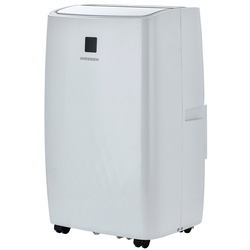
Product code: AI503
Wessex Portable Air Conditioner & Dehumidifier 12000 BTU/h
£309.99
ex. VAT £258.32 Each
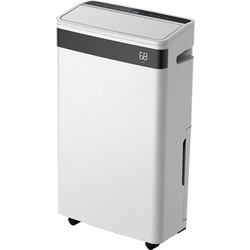


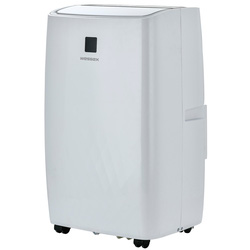
Product code: AI504
Wessex Portable Air Conditioner & Dehumidifier 9000 BTU/h
£239.99
ex. VAT £199.99 Each

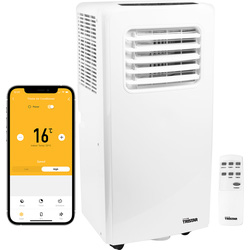
Product code: 72354
Tristar Smart Air Conditioner 7000 BTU/h
£267.99 was £299.99
ex. VAT £223.32 Each