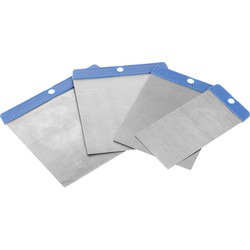
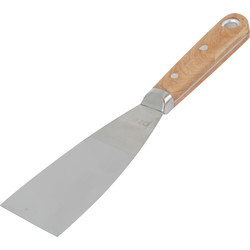
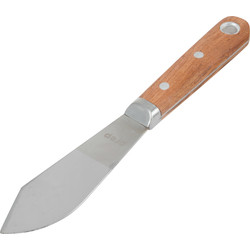
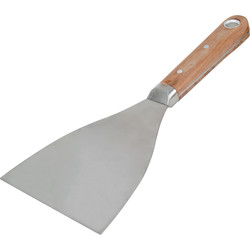
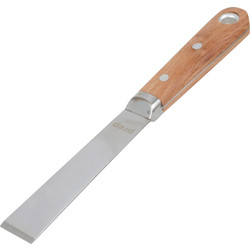
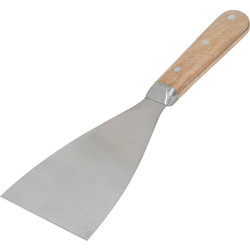
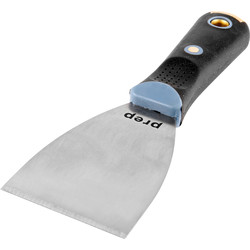
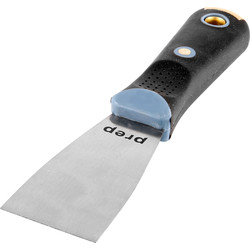
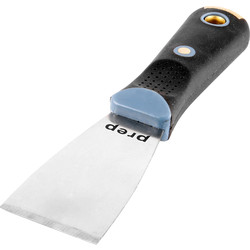
If you’re looking to Do It Yourself, you need the right tools. Decorating knives are just the thing for removing wallpaper, as well as scraping, and preparing wall surfaces. At Toolstation, we have everything you need to start decorating, whether you’re a professional or a home improver. Our selection of decorating knives from brands such as Prep Premier, Stanley, and Prep, will give you the precision, control, and comfort you need.
Filling Knives
With a flexible blade, these knives are ideal for filling gaps, cracks, and crevices in walls, ceilings, and woodwork with filler.
Stripping Knives
For removing wallpaper or paint from a wall and leaving a smooth surface ready to be decorated, you need a stripping knife. Choose from hardwood or soft-grip handles, with rigid stainless steel blades, as well as heavy-duty stripping knives with a hammer end for nails and tacks.
Putty Knives
A versatile hand tool with a broad flat blade used for applying and scraping putty as well as a variety of other decorating and DIY purposes. Toolstation stock traditional shaped professional putty knives, with a solid bolster, stainless steel blade and hardwood handle. No professional decorator or DIY enthusiast should be without a good set of decorating knives. You’ll find a great range at Toolstation at everyday low prices.
Frequently Asked Questions | FAQs
Why Surface Preparation Tools Matter
Proper preparation is key to a long-lasting paint finish. Using a filling or putty knife ensures fillers are applied evenly and surfaces are correctly levelled before painting begins. This reduces visible defects and improves paint adhesion, helping you avoid costly rework later.
How to Use a Filling Knife for a Smooth Finish
- Load a small amount of filler onto the blade.
- Press firmly to push material into the crack or hole.
- Draw the knife across the surface at a shallow angle.
- Remove excess filler to leave the area level.
- Allow to dry before sanding lightly and decorating.
What Is the Difference Between a Filling Knife and a Putty Knife?
A filling knife is typically more flexible for smoothing wall filler, while a putty knife is often slightly stiffer and suited to applying compounds or handling a wider range of repair tasks.
What Size Filling Knife Should I Use?
Smaller knives are ideal for detailed repairs and tight spaces, while wider blades are better for smoothing larger areas and achieving an even finish.
Can You Use a Putty Knife for Scraping Paint?
Yes, putty knives can handle light scraping, but for heavier removal work a dedicated stripping knife is usually more effective.
Why Is My Filler Not Going on Smoothly?
This can happen if the blade is too rigid, overloaded with material or held at the wrong angle. A flexible filling knife and light pressure will help spread filler more evenly.
Do I Need Different Knives for Decorating?
Having a selection of knives makes preparation easier, allowing you to switch between filling, smoothing and scraping tasks without compromising finish quality.