

- Help & Advice
- How To Guides
- How to Unblock a Washing Machine Drain Pipe
How to Unblock a Washing Machine Drain Pipe
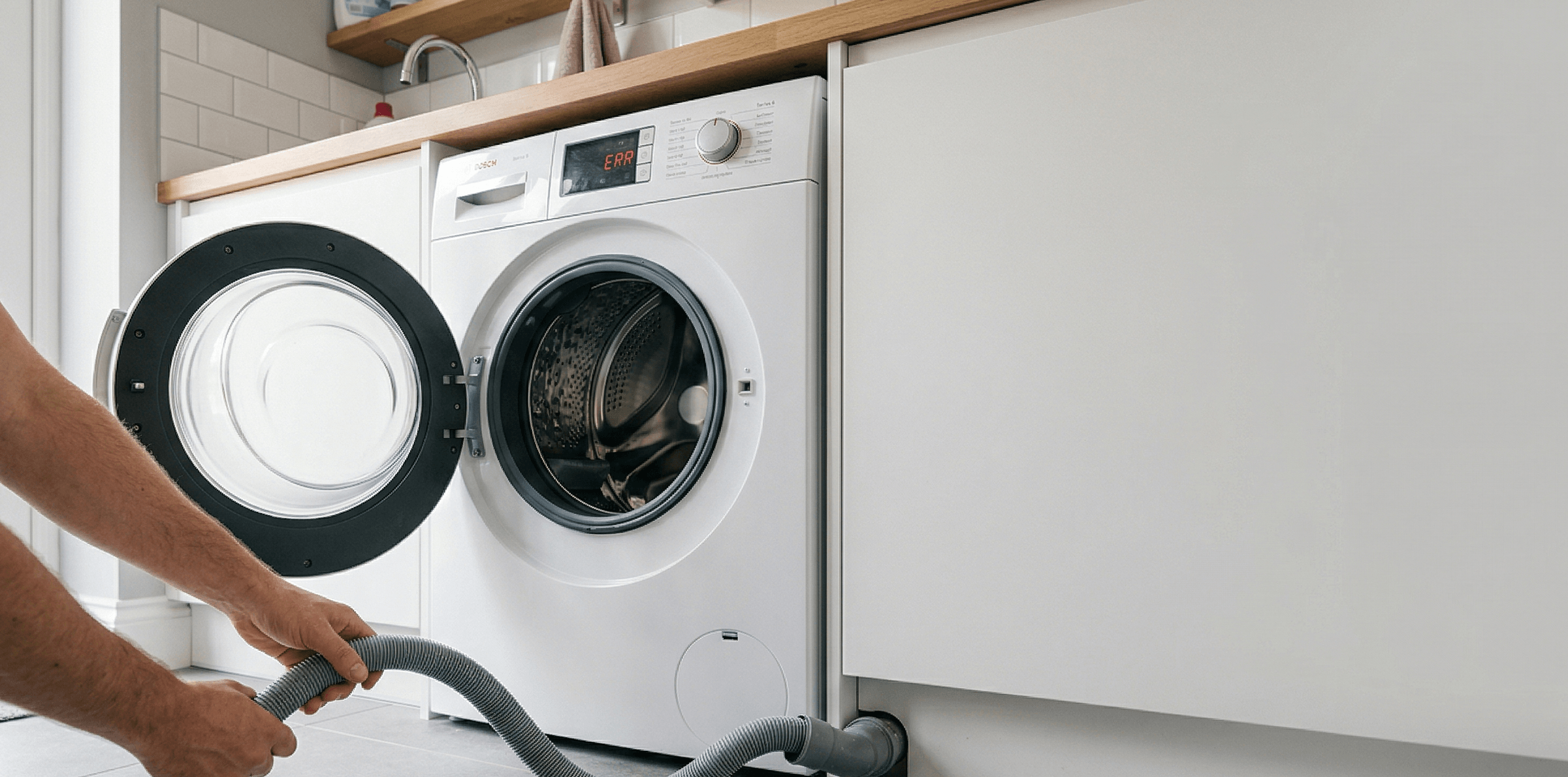
For many households, it can feel like the washing basket is never empty. So when your washing machine stops working, it’s hard not to panic. But, before calling out a professional, it’s worth checking whether the drain pipe is clogged, as this is one of the most common causes of a washing machine breakdown.
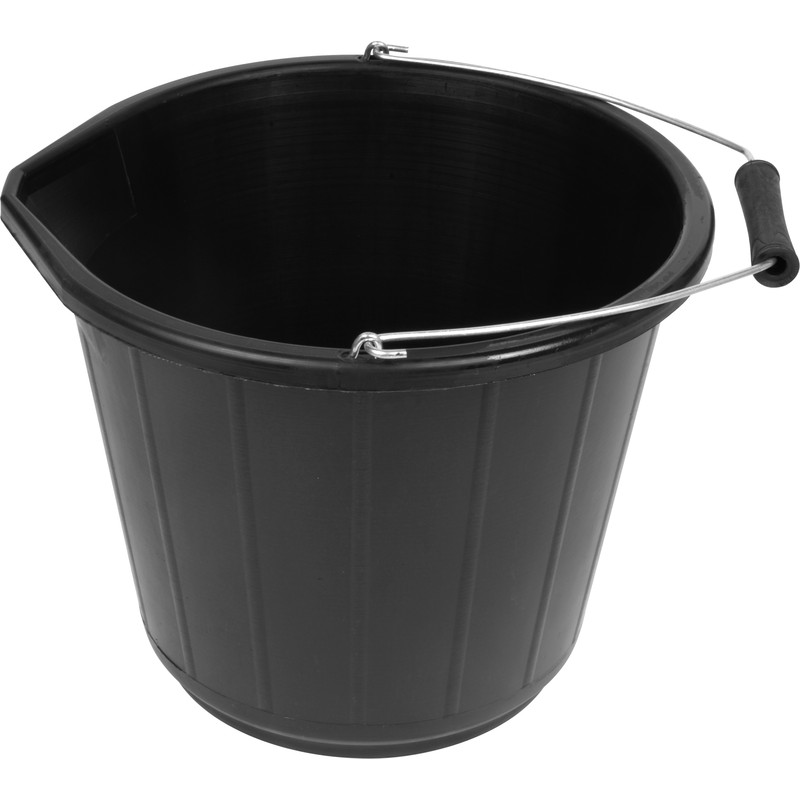
The good news is that learning how to unblock a washing machine drain pipe is often quicker and easier than you might expect. However, before you attempt this often straightforward DIY project, always switch off your washing machine first and unplug it from the mains. Turn off the water supply if you need to, and keep some towels or a container nearby to catch any excess water.
If you’ve tried our suggestions below and the washing machine is still not draining properly, it may be time to call in a professional. Persistent blockages, bad smells, or repeated drainage issues could indicate a deeper problem within your plumbing system. A qualified engineer will be able to diagnose the issue safely and prevent any further damage to your appliance or pipes.
Essential Tools & Equipment
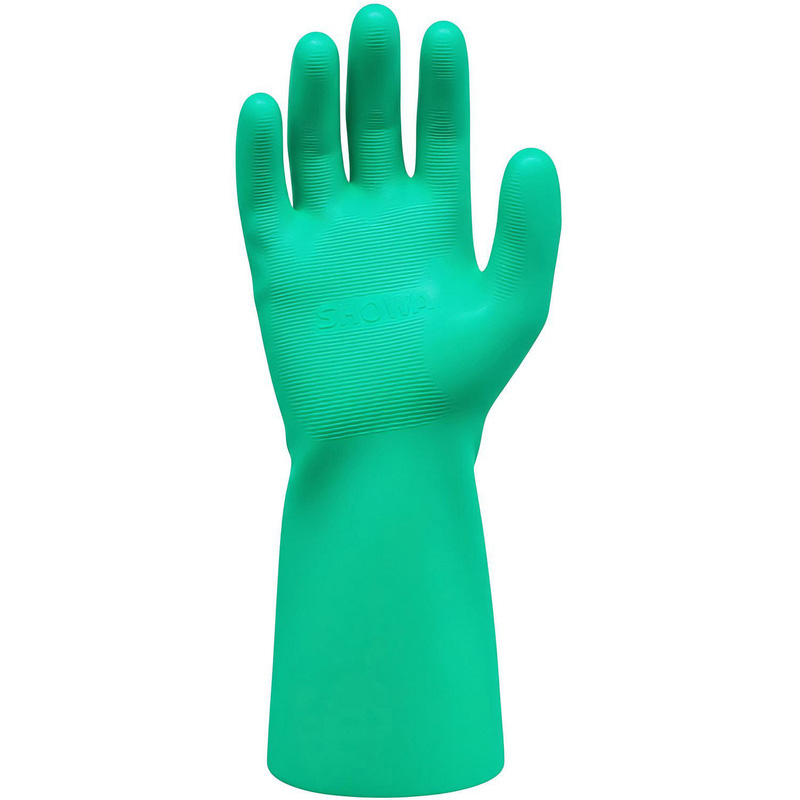
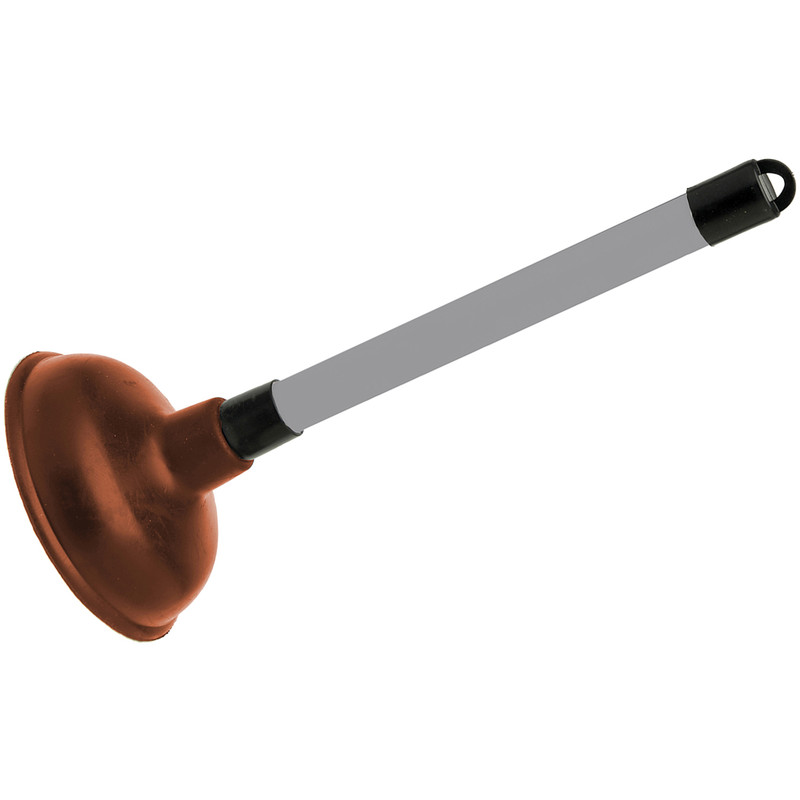
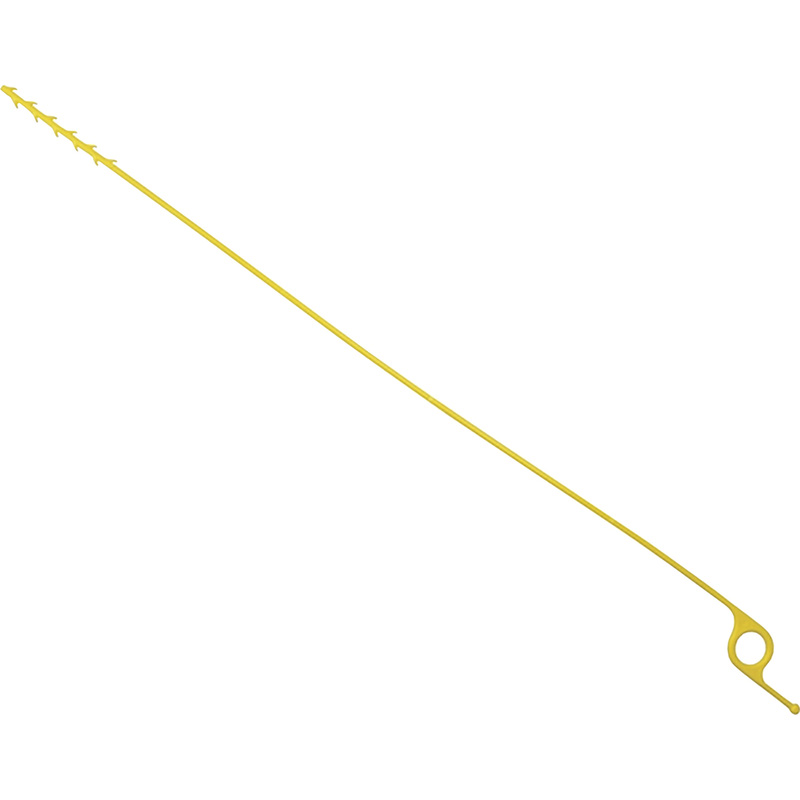
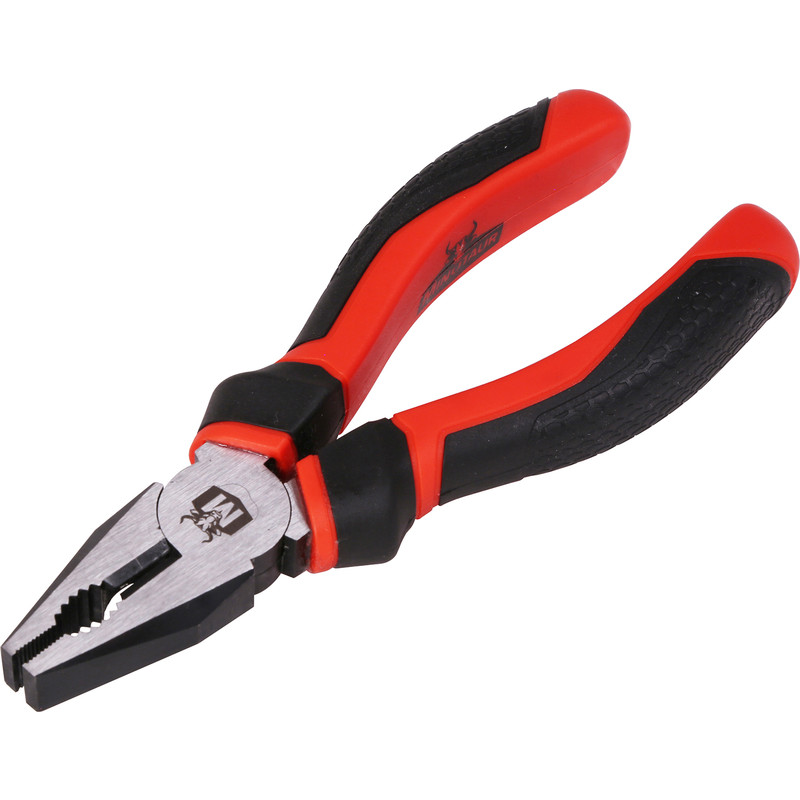
Common Causes of a Blocked Washing Machine Drain Pipe
Most of the time a blocked washing machine drain pipe builds up gradually over time rather than happening all of a sudden. Understanding what’s caused it to happen in the first place can make it much easier to prevent going forward.
Lint and Fabric Fibres
Every wash cycle releases tiny fibres from your clothes. While your machine’s filter will catch some of this debris, finer lint can still pass through and collect inside the drain pipe. Over time, this builds up and restricts the flow of water.
Detergent and Soap Residue
Using too much detergent, or the wrong type for your machine, can lead to a sticky residue forming inside the pipe. This residue can cling to the pipe walls and trap other debris, eventually causing a blockage.
Dirt, Sand and Other Debris
Heavily soiled clothing - like a muddy PE kit - can introduce dirt and grit into the system. These heavy particles can settle in the drain pipe and contribute to clogs, especially if they aren’t rinsed off beforehand.
Hair and Pet Fur
Hair and pet fur can easily make their way into the washing machine, especially when washing bedding or pet blankets. These strands can bind together and combine with soap residue, forming sticky, stubborn blockages.
Forgotten Objects in Pockets
Things like coins, tissues and hair grips, can slip through the drum and end up in the drainage system. These objects can either cause a blockage on their own or catch other debris, making the problem worse.
Build Up of Limescale
Anything that comes into regular contact with water typically forms limescale over time, especially in hard water areas. This limescale narrows the pipe’s diameter, making it easier for debris to get trapped and form a blockage.
Method 1: Check and Clean the Filter
Start with the simplest fix first. Most washing machines have a filter (usually located at the front, near the bottom) that can become clogged with lint, hair, and small objects. Place a towel or shallow tray underneath to catch any water then carefully unscrew the filter. Remove any build up and fluff before replacing it. This alone can often restore proper drainage.
Method 2: Flush the Drain Pipe with Hot Water
If the blockage is caused by detergent residue or light build-up, flushing the pipe can help. Disconnect the drain hose and carefully pour hot (not boiling) water through it to break down any soap or grease deposits.
Method 3: Use a Plunger
A regular plunger can sometimes dislodge any minor blockages. Position it over the drain pipe opening or where the hose connects, and apply a few firm pumps to help shift the obstruction.
Method 4: Try a Baking Soda and Vinegar Solution
This home remedy can be ideal using just a couple of things you may have in your kitchen cupboards. Pour a mixture of baking soda followed by white vinegar into the drain pipe. Let it fizz and get to work for around 10–15 minutes before flushing the mixture away with hot water. This can help break down residue and minor blockages.
Method 5: Use a Drain Snake or Flexible Brush
For more stubborn blockages, a drain snake (or flexible cleaning brush) can be fed into the pipe to physically remove debris. Twist and pull it back slowly to extract any build-up. This method is particularly effective for getting rid of hair or compacted lint.
Method 6: Use a Wet & Dry Vacuum
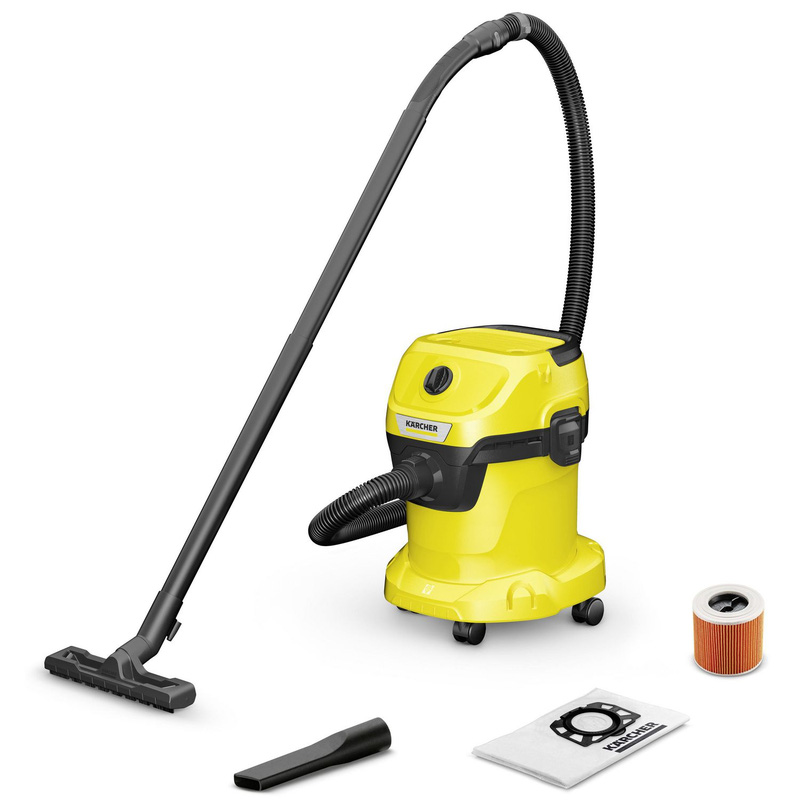
Using a wet & dry vacuum can be a great way of pulling out stubborn blockages. Create a tight seal over the drain opening and use the vacuum to suck out debris from the pipe.