- Help & Advice
- How To Guides
- How to Remove Adhesive from Glass
How to Remove Adhesive from Glass
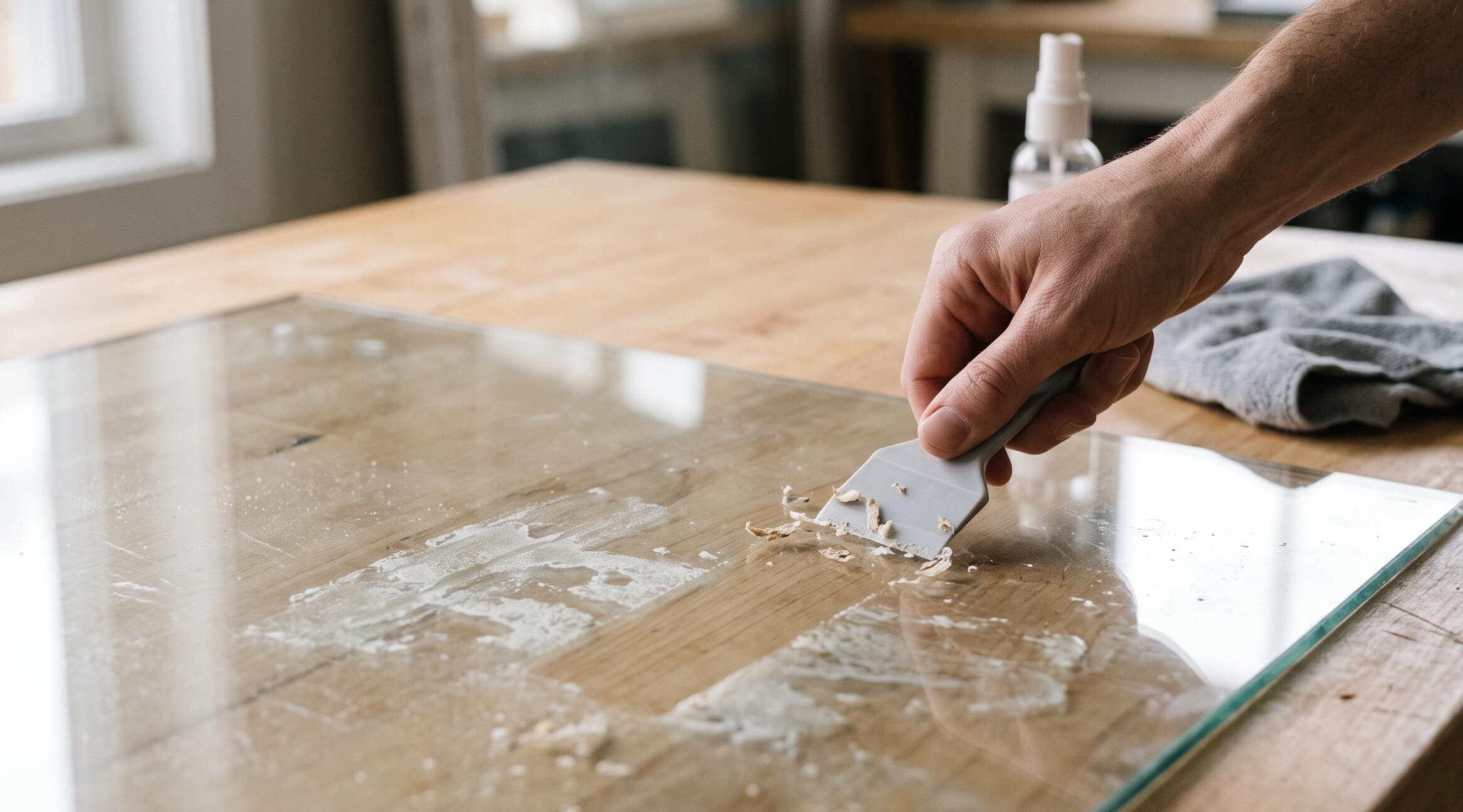
Getting rid of glue residue from glass can be a little more challenging than removing it from other surfaces, such as wood, unsealed concrete or plastic. That's because glass is non-porous and inflexible, so adhesive sits firmly on the surface rather than being absorbed into the material or loosened by flexing it.
For example, some adhesive removers can penetrate porous materials such as wood, helping to soften glue from underneath. With thinner plastics, flexing the material can sometimes cause hardened glue to lift away, while thicker, more rigid plastics can usually withstand more vigorous scrubbing. Glass, however, needs a little more care. Scrubbing too aggressively or using tools incorrectly can leave scratches or other marks on the surface.
Whether you're removing glue from a window, picture frame or glass table, there are several ways to loosen and remove adhesive without damaging the glass. In this guide, we'll run you through the steps to get rid of stubborn glue residue safely and effectively.
Essential Tools & Equipment

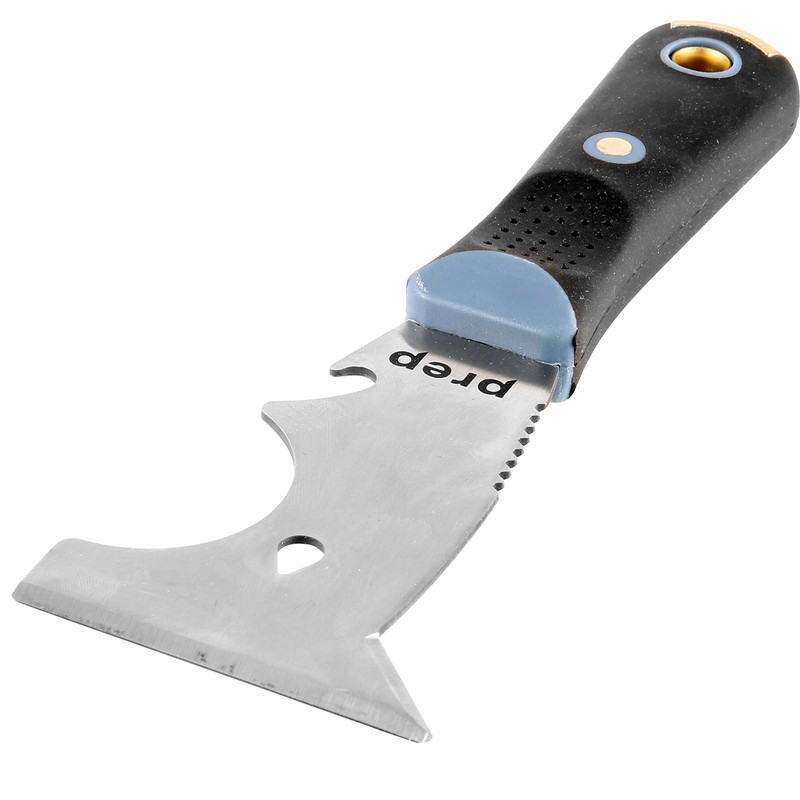
Tips Before You Start
-
Don't be tempted to use abrasive scouring pads or similar harsh abrasives, as these can scratch the glass.
-
If using a solvent, test it first in an inconspicuous area, particularly if the glass has a coating, tint, film or printed finish.
-
Protect any surrounding materials from glue removers and solvents, especially things like painted frames, plastics, rubber seals and finished wood.
-
Don't use excessive force when scraping. Allow the adhesive remover or warm water to do as much of the work as possible.
-
If using a scraper ensure it's not damaged as a nicked blade can increase the risk of scratching.
-
Keep the blade flat against the glass and use small, controlled movements rather than scraping at a steep angle.
-
Work in a well-ventilated area when using solvent-based adhesive removers and follow the manufacturer's safety instructions.
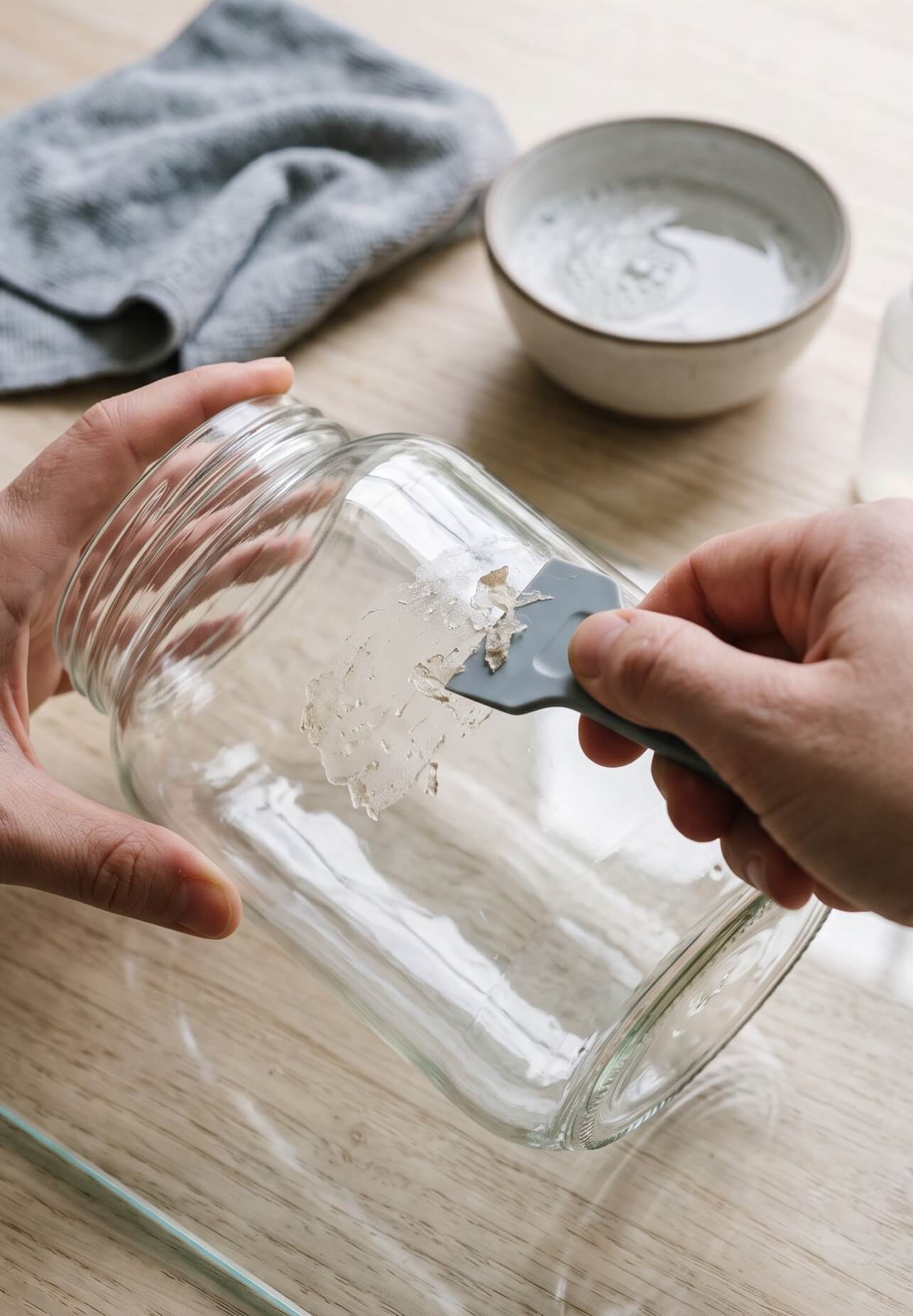
How to Remove Fresh Glue from Glass
If the glue is still wet or hasn’t fully cured, try to remove it as soon as you get the chance. Fresh adhesive is usually much easier to shift compared to dried-on residue.
Step 1: Remove Any Excess Glue
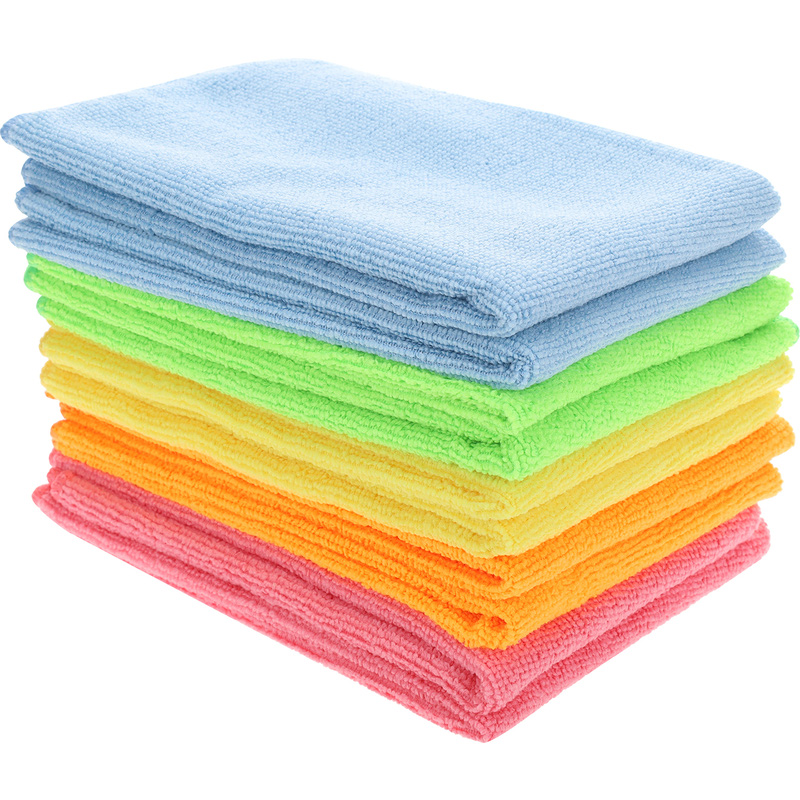
If there’s a large amount of glue on the glass, carefully lift or wipe away the excess using a clean, lint-free cloth or paper towel. Take care not to spread the glue across a larger area of the glass.
For thicker blobs of adhesive, carefully use a scraper to gently prise it away from the surface.
Step 2. Apply Warm Soapy Water
Once you've wiped away any excess, for water-based glues, like PVA or craft glues, warm water and washing-up liquid may be enough to get rid of the remaining.
Dampen a cloth with warm, soapy water and hold it against the glue residue for a few minutes. Once the adhesive has softened, gently wipe it away.
Step 3. Use a Solvent if Necessary
If warm soapy water doesn't work, the type of glue will determine which solvent is suitable. Some adhesives can be loosened with rubbing alcohol (isopropyl alcohol), while acetone or a specialist adhesive remover may be suitable for others.
Always check that the product is suitable for use on glass and follow the manufacturer's instructions. Apply a small amount to a cloth rather than pouring solvent directly onto the glass, especially if there are any seals, painted surfaces or other materials nearby.
Step 4. Clean the Glass
Once the glue has been removed, wipe the area with clean water to remove any remaining residue or leftover cleaning product. Dry the glass with a clean, soft cloth to leave a streak-free finish.
How to Remove Dried Glue from Glass
Hardened glue can be a little more difficult to remove, but it can often be loosened with a combination of scraping, softening and cleaning.
Step 1. Remove any Loose Adhesive
Start by gently lifting away any loose pieces of glue, using either your fingers or a scraper. Work slowly and avoid using excessive force.
Don't try to prise stubborn glue away if it's firmly attached, as this can cause the scraper to slip and potentially damage surrounding surfaces.
Step 2. Soften the Remaining Adhesive
If the glue is firmly stuck, applying a solvent can help soften it, making it easier to remove. The best option will depend on the type of adhesive.
Apply the product to a cloth and hold it against the residue for several minutes, giving it plenty of time to penetrate and soften the glue. Follow the product's instructions and ensure the area is well ventilated when using solvents.
Step 3. Scrape Away the Softened Glue
Once the adhesive has softened, gently scrape it away using a scraper or other suitable tool.
Take care when using a scraper and be sure to keep the blade flat against the surface and use gentle, controlled strokes and avoid digging into the edges of the glass. Don't use a scraper if the glass is finished with a specialist coating as this could damage the surface.
Step 4. Repeat if Necessary
You may find that stubborn glue doesn't come away in one go. If any residue remains, apply the adhesive remover again, allow it time to work and gently scrape the softened glue away.
While a little more time consuming, it's usually better to repeat the process than to apply excessive pressure.
Step 5: Clean & Dry the Glass
Once all the adhesive has been removed, clean the glass with warm soapy water or a suitable glass cleaner to remove any remaining solvent or residue.
Wipe the surface with a clean, soft, lint-free cloth and check the glass from different angles to make sure no adhesive remains.