

- Help & Advice
- Buying Guides
- Types of Adhesives
Types of Adhesives Explained: What to Use and When
With the vast number of adhesives on the market, it can be difficult to know which to choose for a specific job. The first thing to note is that adhesives, often referred to as glue, are broadly classified as either natural or synthetic. Natural adhesives, sometimes called bio-based adhesives, are derived from sources like plants and animal products.
While natural glues are considered more eco-friendly, they typically lack the same strength and durability as synthetic alternatives. They can also be vulnerable to heat and moisture, making them unsuitable for certain applications. Synthetic adhesives, on the other hand, are alot more versatile, though it's still important to select the right type for the task you're working on. It's worth noting that the word 'glue' is sometimes used specifically for natural substances, whereas 'adhesives' often refers to the synthetic varieties.
More about Synthetic Glue
When compared to natural glue, there are a few important distinctions that separate them from synthetic adhesives. First to note is that synthetic glues are man-made, meaning they offer superior chemical and physical properties making them much more suitable for a broad range of DIY and trade jobs. Due to their enhanced strength and durability, they're popular across various industries, including construction and plumbing to name a few. Synthetic adhesives can be categorised into three main types: thermoplastic, elastomer, and thermoset. Let's look at each of these in turn.
Thermoplastic Adhesives
Thermoplastic adhesives are designed for applications where a flexible bond is needed. They're a type of hot-melt adhesive that become pliable when heated and then solidify once cooled. A common example is the glue stick used in a glue gun, which melts when warmed and hardens at room temperature. A key advantage of these adhesives is that they can be repeatedly heated and cooled, making them recyclable. In industrial settings, they're widely used in the manufacturing of various products, ranging from packaging to appliances. When it comes to DIY, they're often used for minor repairs or for laying materials like carpet or vinyl tiles.
Elastomer Adhesives
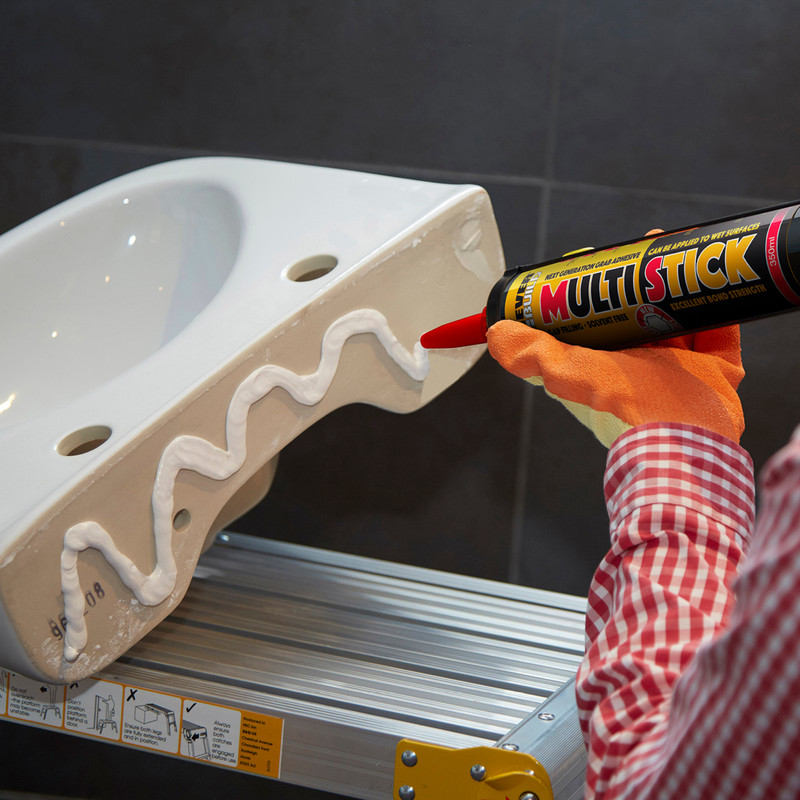
Elastomer adhesives are known for their high elasticity, flexibility, and strength. They can be stretched and reshaped but will always return to their original form. Common examples include contact adhesive and grab adhesive. These glues are perfect for home improvement projects like installing kitchen worktops, skirting boards, or splashbacks. They're also ideal for DIY jobs where you want to avoid using screws or nails to achieve a cleaner finish, such as when attaching a mirror to a bathroom wall.
Thermoset Adhesives
Thermoset adhesives are particularly durable and offer exceptional resistance to heat. Examples include epoxy and superglue. Once cured, these adhesives become permanently rigid and cannot be melted or reshaped. Their permanent, heat-resistant, and chemical-resistant properties make them suitable for load-bearing applications. Due to their high-temperature tolerance, they're often used in things like fire-resistant wall panels and other applications where heat resistance is vital.
Types of Adhesives
Contact Adhesive
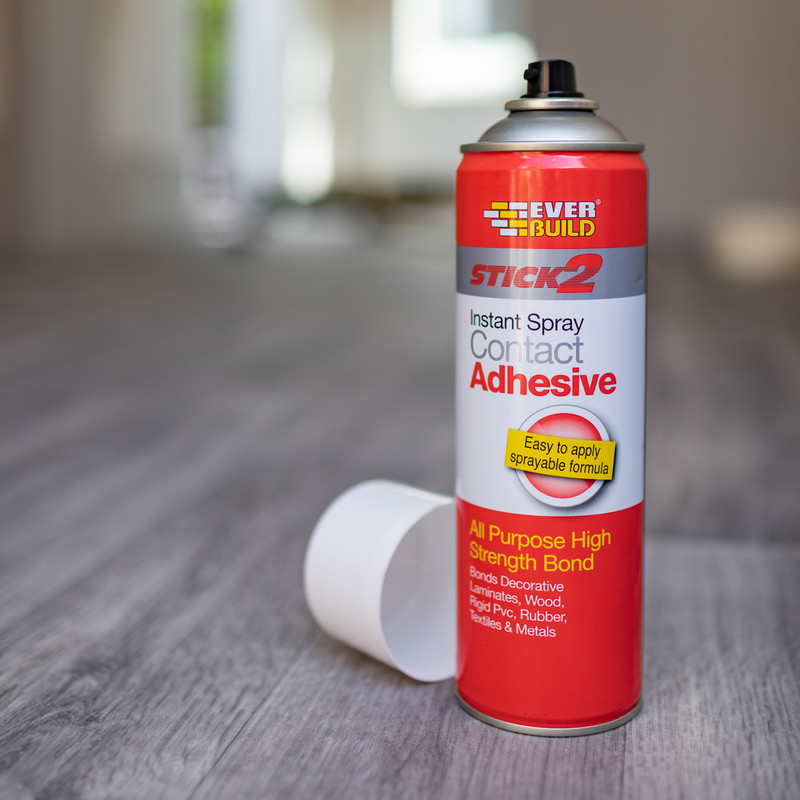
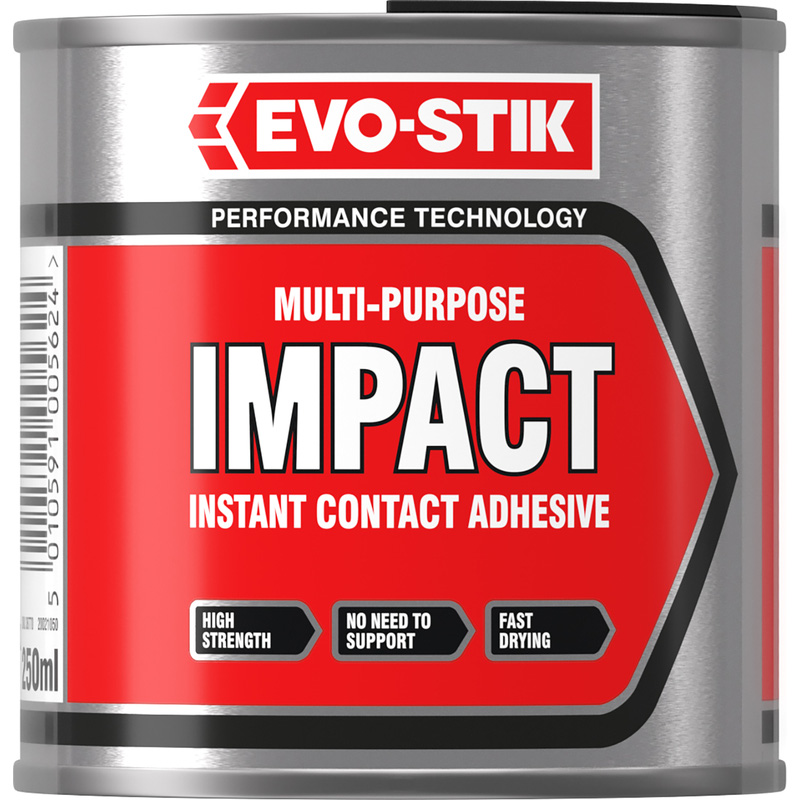
Contact adhesive is an elastomer-based adhesive and a popular choice for tradies and DIYers. To work, it needs to be applied to both surfaces that are to be bonded. It's a rubber-based glue that cures without a chemical reaction. After application, it's left for around ten minutes so that the solvent can evaporate before the two surfaces are pressed together to form an instant, strong, and flexible bond.
It's a highly versatile adhesive, capable of bonding a wide range of materials including rubber, metal, leather, wood, and textiles - hence it's popularity.
Best For
-
Creating a flexible, strong bond between two surfaces that need to be instantly joined, such as laminates or kitchen worktops.
Drawbacks
-
Requires a waiting period for the solvent to evaporate and needs to be applied to both surfaces.
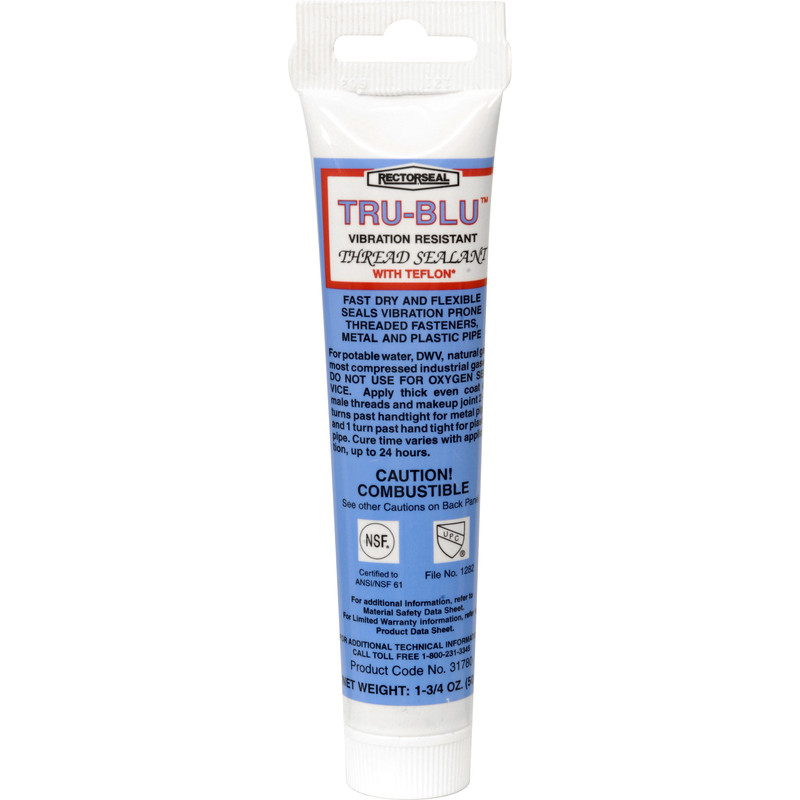
Thread Glue
Commonly known as threadlocker, this thermoset adhesive is a type of anaerobic glue that cures in the absence of air. It's specifically formulated to secure threaded fasteners like screws and bolts. Applied directly to the fastener before assembly, it forms a very strong bond once dry, which helps prevent them from vibrating loose.
The benefits of thread glue include enhanced resistance to shock and vibration, as well as protection against rust and leaks. This type of adhesive is typically used in industrial and automotive applications.
Best For
-
Securing screws and bolts in machinery and automotive parts to prevent them from loosening due to vibration.
Drawbacks
-
Primarily used for specific applications (threaded fasteners) and not for general bonding.
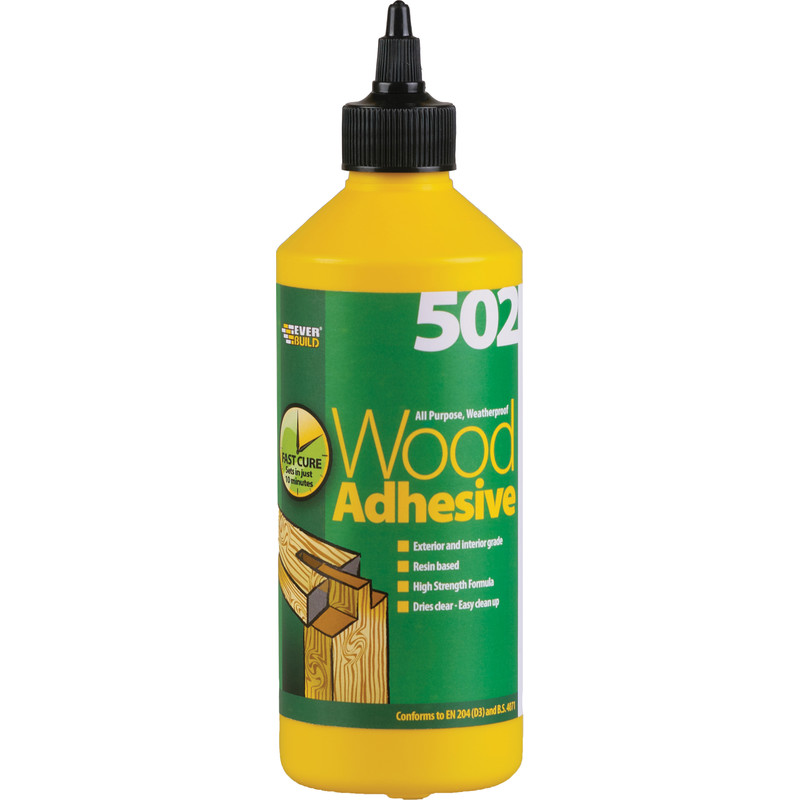
Wood Glue
Wood glue, a thermoplastic adhesive, is designed specifically for joining pieces of wood. As you'd expect, it's common in carpentry and woodworking and can be used in conjunction with screws or nails to help increase structural integrity (e.g., when building a table or chair), or on its own for a neater, more polished finish.
While its non-toxic nature makes it popular for crafting, a significant drawback is its inflexibility, which makes it unsuitable for wood that could expand or contract in high-moisture environments. That said, when applied correctly, wood glue can last for many years.
Best For
-
Permanently joining wood in carpentry, furniture making, or other woodworking projects.
Drawbacks
-
Wood glue lacks flexibility, making it unsuitable for applications where wood is prone to movement.
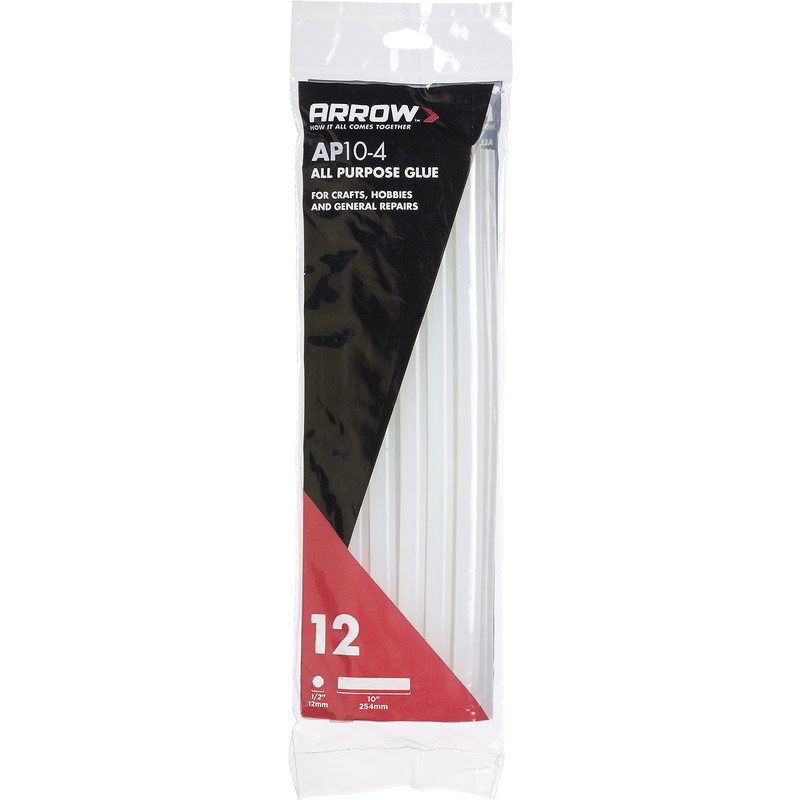
Glue Sticks
Glue sticks are a type of hot-melt adhesive to be used in glue guns. A thermoplastic adhesive, it's typically supplied in long cylindrical sticks and is melted in a glue gun before being applied. As it quickly cools, it solidifies to form a bond between surfaces.
Glue sticks can be used on materials like wood, glass, textiles, paper, and card. Although it dries very quickly, the bond it creates isn't as strong when compared to other adhesives. A key advantage is that the sticks themselves do not dry out if left exposed to air increasing their shelf life.
Best For
-
Quick, temporary, or craft-based projects involving materials like paper, card, and fabric where a very strong bond isn't necessary.
Drawbacks
-
The resulting bond from glue sticks isn't particularly strong. What's more, the glue can't be used without a specific applicator - a glue gun.
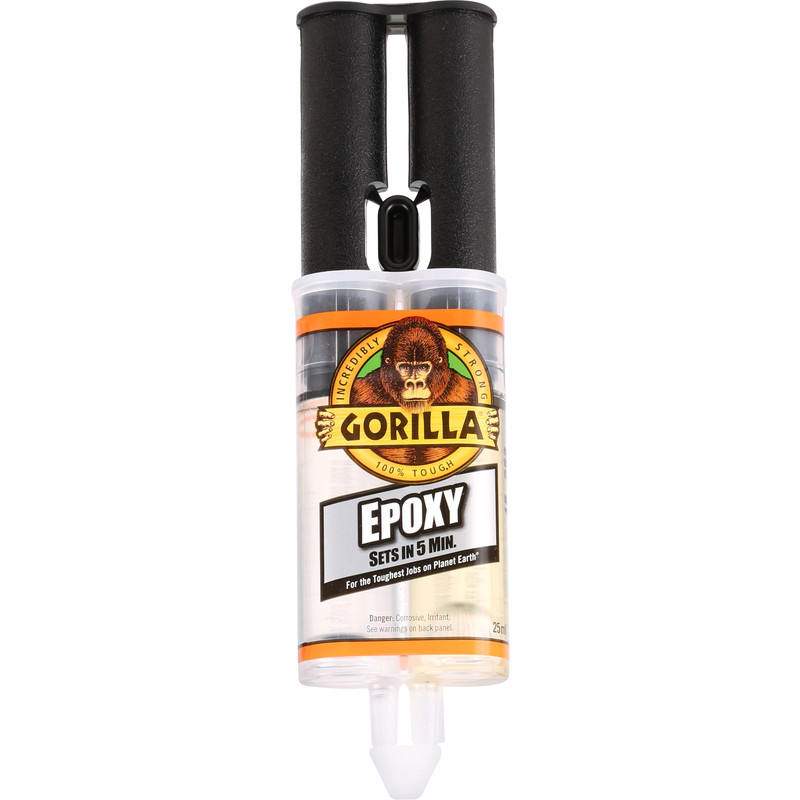
Epoxy Adhesive
A type of thermoset adhesive, epoxy is a two-part system that consists of a resin and a hardener. When these two parts are mixed and applied, they react to create a very strong, rigid, and durable bond. Often referred to as epoxies or structural adhesives, they're highly effective when it comes to bonding different types of materials together, such as plastic to metal.
Considered one of the strongest adhesives available, epoxy can withstand high temperatures, stress, and other elements. Once cured, it can be sanded or painted, and it's suitable for both indoor and outdoor use making it versatile as well as tough.
Best For
-
The strongest possible bond for joining different materials together, such as in structural repairs or complex DIY projects.
Drawbacks
-
Requires mixing two separate components and cures quickly, so you need to work fast.
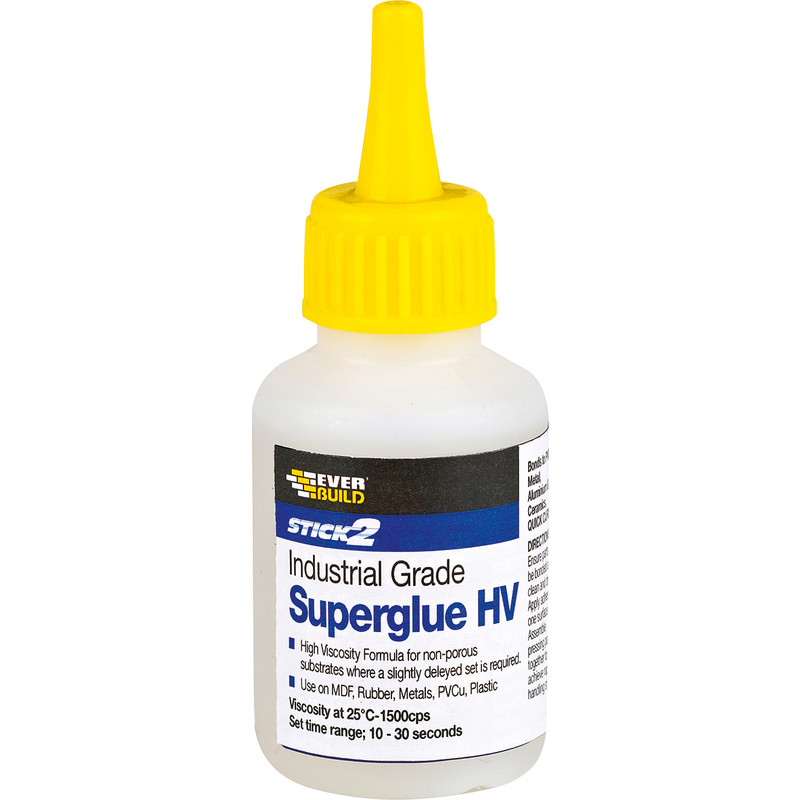
Super Glue
Super Glue is a type of thermoset adhesive which cures rapidly at room temperature by reacting with moisture in the air or on the surface of the materials it's applied to. While it forms a rigid bond and is excellent for quick fixes and smaller projects, it doesn't expand as it dries, so it's not suitable for filling gaps like a hybrid adhesive / sealant.
It has a weak initial grab but sets very quickly, so surfaces may need to be held in place while it cures. It's also not effective on certain plastics, like polyethylene and polypropylene, due to their low surface energy, which prevents the glue from forming a proper bond.
Best For
-
Quick, small-scale repairs where a fast-setting, rigid bond is needed on non-porous surfaces.
Drawbacks
-
Not suitable for filling gaps, has a short shelf life, and doesn't bond well with all plastics.

Grab Adhesive
Sometimes known as construction adhesive, grab adhesive is a type of elastomer that's designed to bond heavier materials to surfaces like walls and floors without the need for additional fixings like nails or screws. Its name comes from its strong initial "grab" or tackiness upon application. It can bond different materials, for example, metal to brick making it a versatile adhesive.
The curing process varies depending on the type, with some formulas curing through moisture contact and others via solvent evaporation. Some varieties may have a strong smell and can take up to 24 hours to fully cure, so keep this mind when using this type of glue.
Best For
-
Heavy-duty applications where a strong initial hold is needed to bond heavier materials to vertical or horizontal surfaces.
Drawbacks
-
Can have a strong odour, a long curing time, and isn't always suitable for small, delicate projects.
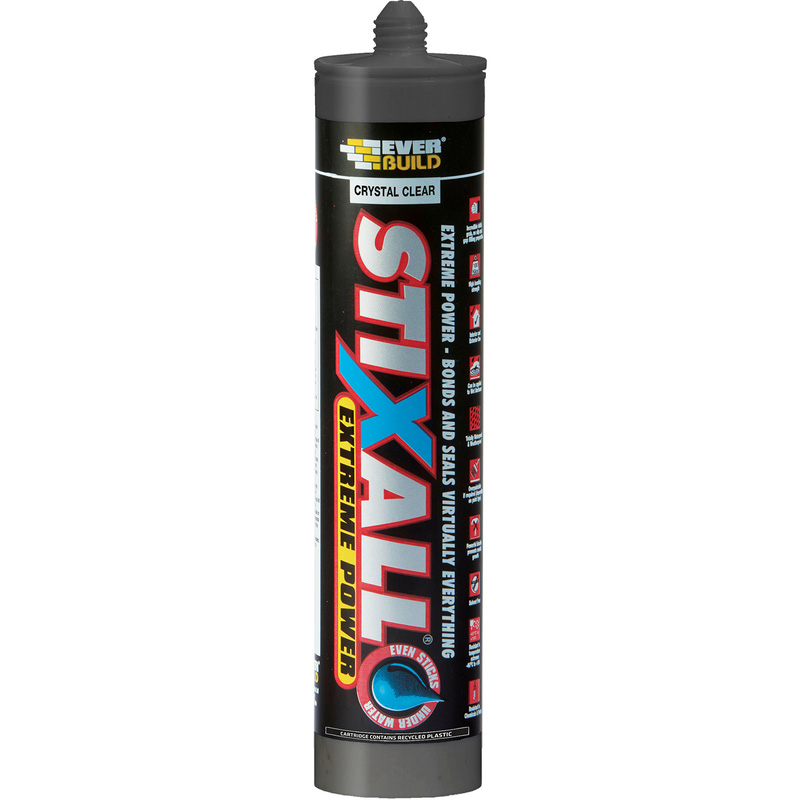
Hybrid Adhesive / Sealant
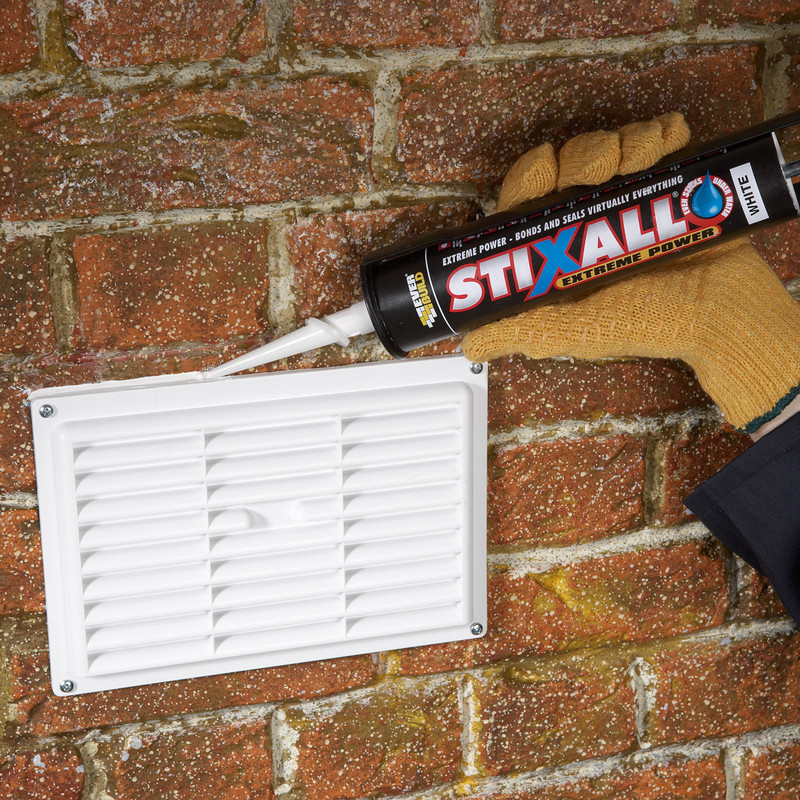
Hybrid adhesive sealants are often based on silane-modified polymers (SMPs), which are a type of elastomer. They combine the flexibility of a sealant with the strength of an adhesive, making them incredibly versatile. They can be used on virtually all materials and are particularly good for bonding items that may be subject to movement or vibration.
Unlike most other glues, they remain flexible once cured, won't shrink when dry, and can be used to fill gaps. They're also UV stable, weather-resistant, and suitable for both indoor and outdoor use. Once dry, they can be painted over for a seamless finish, although they cannot always be sanded and can take a long time to fully cure.
Best For
-
Versatile applications where you need both a strong bond and the flexibility and gap-filling properties of a sealant, such as in construction or outdoor repairs.
Drawbacks
-
Cannot always be sanded, and can have a very long curing time.