

- Help & Advice
- How To Guides
- How to Fix a Thermostatic Radiator Valve
How to Fix a Thermostatic Radiator Valve
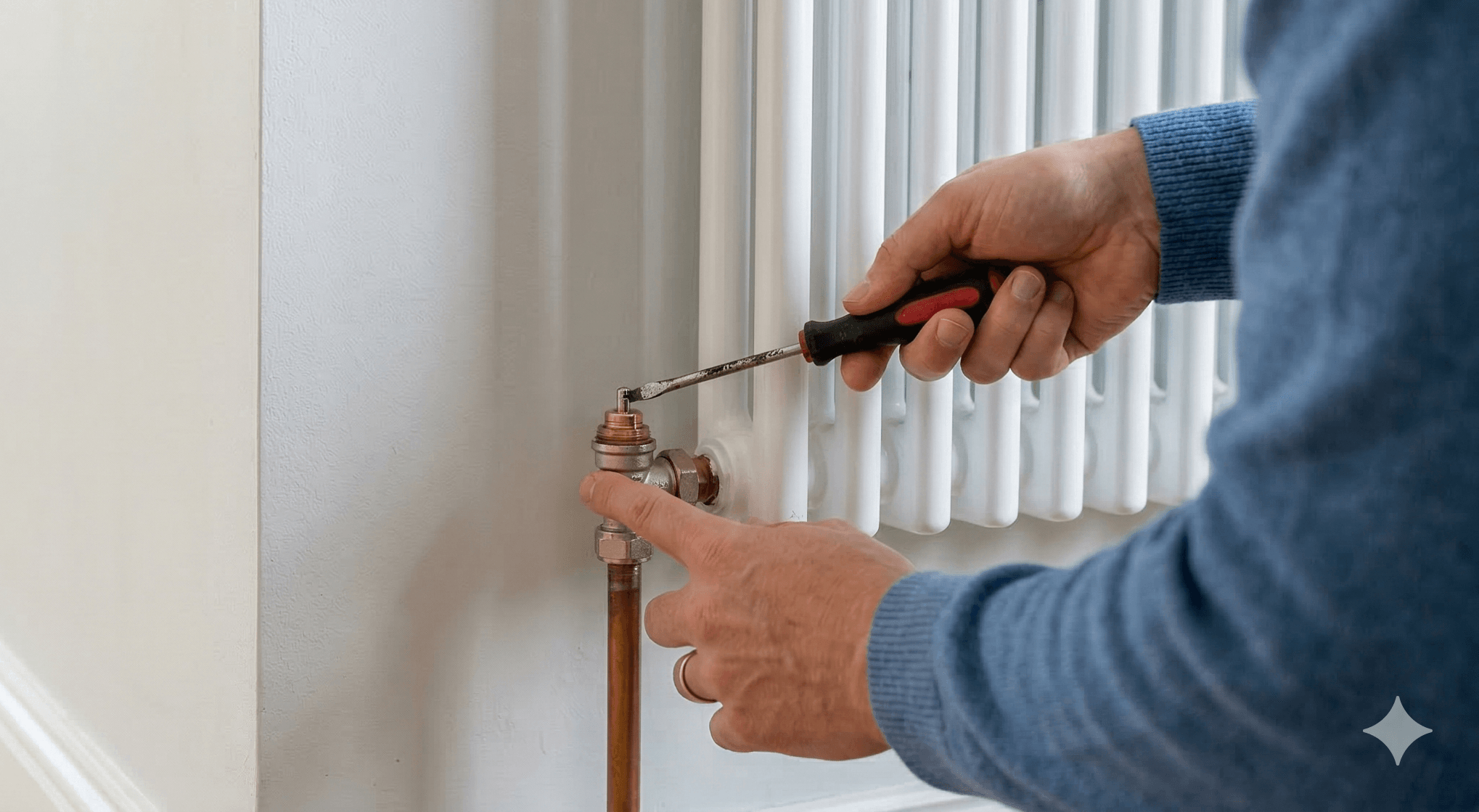
There are several different types of radiator valves, and the most popular is a thermostatic radiator valve. More commonly known as a TRV, it controls the temperature in individual rooms adjusting how much hot water flows through a radiator. When it stops working properly, you may notice that your radiator stays cold even when the heating is on, or it gets too hot regardless of the temperature setting. These problems often happen because the valve’s internal pin gets stuck or the valve itself becomes faulty.
The good news is that you can fix most thermostatic radiator valve problems yourself in just a few minutes with a few basic tools. This guide will show you how to work out what’s wrong with your TRV and fix it step by step. You’ll learn how to test to see if your valve is working, free a stuck pin, and decide if you need to change the radiator thermostat completely.
Essential Tools & Equipment
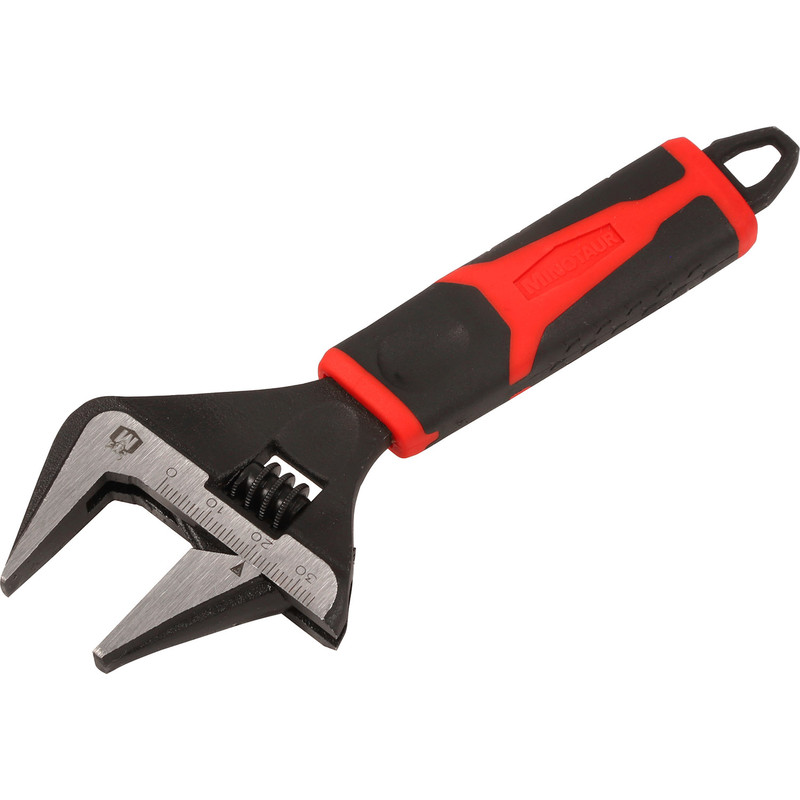
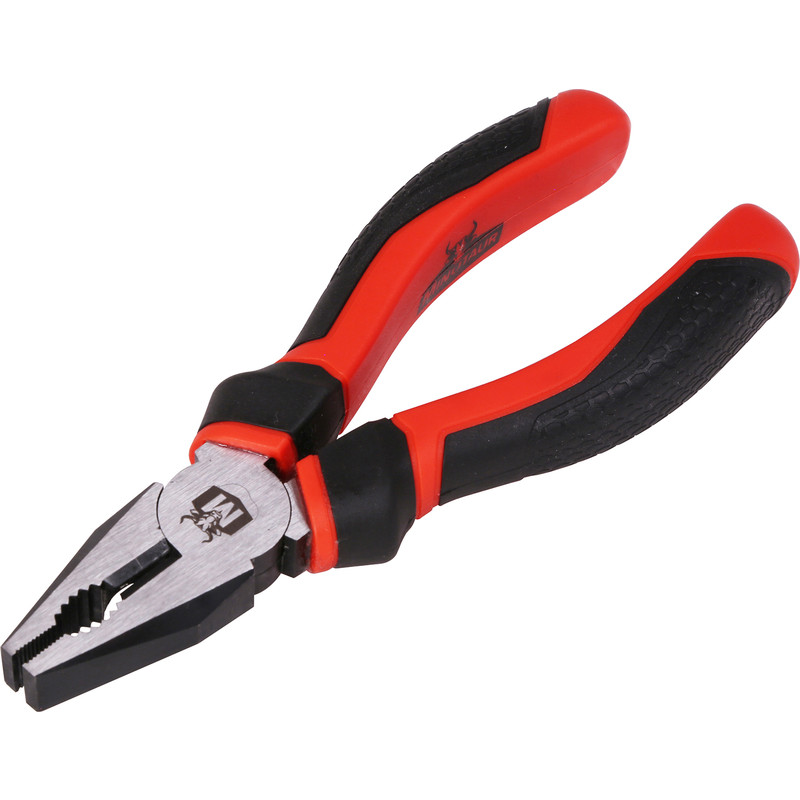
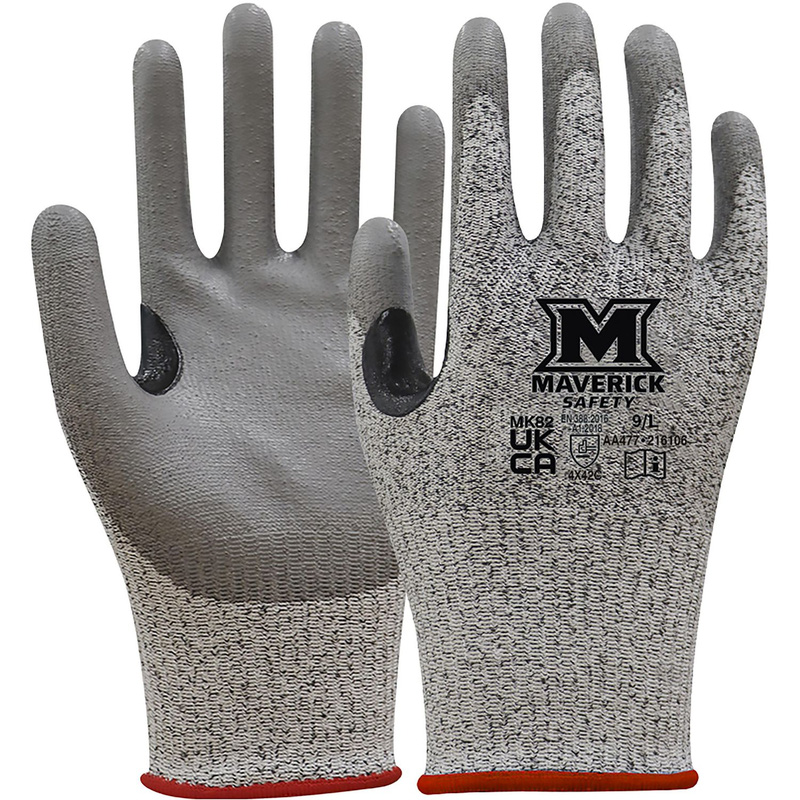
Diagnosing TRV Issues
A cold radiator when others are heating properly usually points the finger to a faulty TRV, whereas a radiator that won’t turn off suggests a stuck valve. Proper diagnosis requires checking for physical symptoms, testing the valve’s mechanical operation, and ruling out other heating system faults.
Cold Radiators
The most obvious sign of a faulty TRV is a radiator that stays cold while the rest of your heating system works normally. You might notice that the radiator feels cool to the touch even when the valve is turned to maximum.
Radiator Won't Turn Off
Another common symptom is a radiator that won’t turn off or stays too hot, even if the temperature is set low. This happens when the valve mechanism becomes stuck in the open position, often caused by lack of use or a build up of grime.
Noises & Water Leaks
Listen for unusual noises like hissing or gurgling coming from the valve area. Check to see if the valve feels particularly hot or if water is leaking from around the valve itself. These physical signs often indicate internal problems with the TRV mechanism or worn seals.
How to Test the Valve Operation
Start by removing the plastic head from the TRV body by turning the locking ring anticlockwise, or releasing the click mechanism. Once removed, you should see a small metal pin protruding from the main body of the valve.
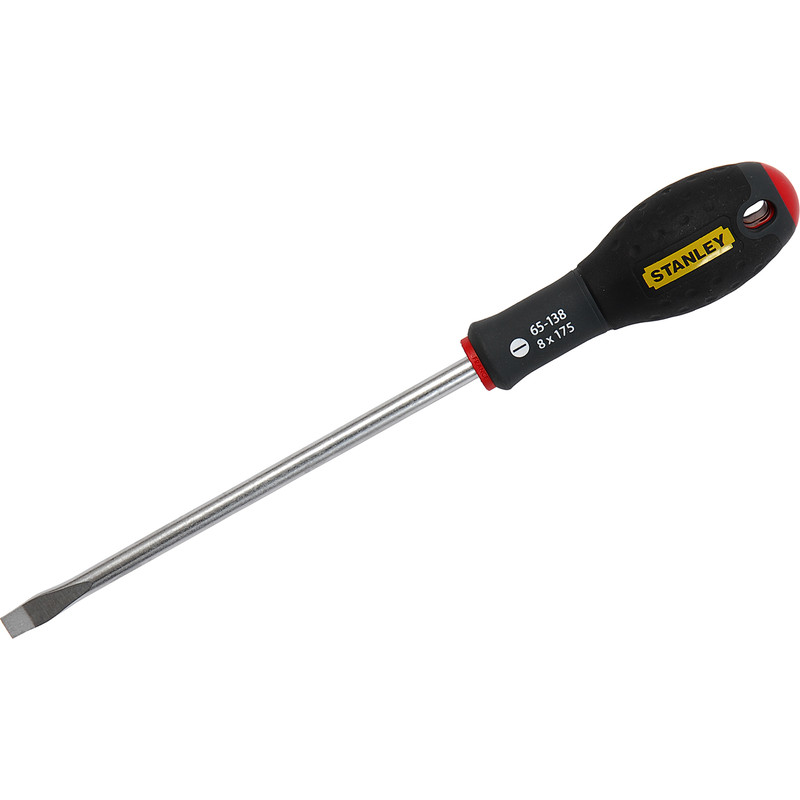
Press the pin down carefully, using either your finger or a flat-head screwdriver. The pin should move up and down smoothly with a little resistance. If the pin feels stuck or doesn’t spring back up when you release it, the valve has most likely seized.
Turn your heating on and wait for the system to warm up. If the radiator starts heating with the valve head removed and the pin moving freely, the problem lies with the thermostatic head itself. If the radiator still doesn’t heat up even with the pin fully depressed, the issue may be elsewhere in the system.
Step 1: Turn off the Heating
Turn off your heating and wait for at least an hour for the radiators to cool completely, this is really important to reduce the likelihood of burns from hot water. Place some towels around the base of the radiator to catch any water that might leak during the repair. Set the TRV to zero (or the lowest setting). This closes the valve off and reduces the amount of water that can escape. Have a container ready to catch any drips.
Check if the heating system needs draining. Most TRV repairs can be done without having to do this, but you should know where your isolation valves are located just in case you need them.
Step 2: Remove the Valve Head
Remove the valve head by unscrewing it, pulling it off or releasing any clips that hold it in place. Some models have a locking ring that needs to be loosened off first. Inspect the head for any visible damage, cracks along with any general wear and tear.
Clean the threads and contact points with a dry cloth to get rid of any dirt and limescale. Use a small brush for any stubborn build up but avoid oil or lubricants on these parts as they can attract more dirt.
If you’re fitting a new head, make sure that it matches the valve body type. Line up the pin receptacle with the pin and twist clockwise to tighten. Be sure not to overtighten as this can cause the plastic to crack.
Step 3: Unsticking a Jammed Pin
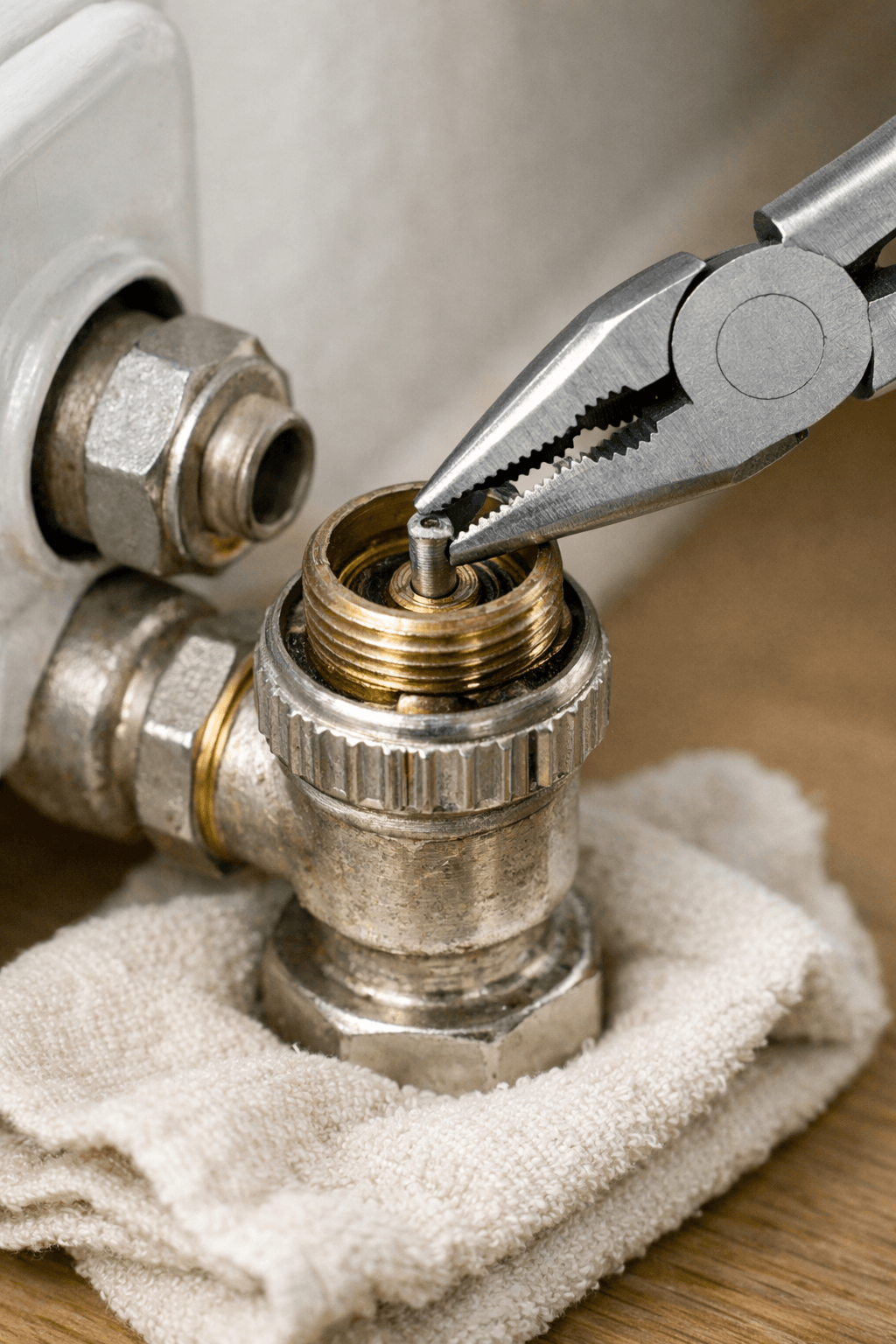
If the pin has become jammed, you’ll need to unstick it. Remove the valve head completely to expose the metal pin underneath.
Tap the pin gently with the handle of a screwdriver or use pliers to grip and wiggle it up and down. Apply a moderate amount of pressure, but take care not to use too much force as you could damage the body of the valve. You should feel resistance decrease as the pin loosens.
Once the pin is able to move freely, pull it up to its full height and let it spring back down a few times. This will help shift any remaining debris. The pin should return quickly when it’s released. Wipe the pin clean with a cloth and check it for any rust or damage. If the pin is severely corroded or won’t move at all after a few attempts, the entire valve body will need replacing.
Step 4: Assemble & Test the Valve
Reattach the valve head, making sure it’s properly aligned with the pin. Turn it clockwise until it’s secure but avoid forcing it. The head should sit flush against the valve body. Turn your heating system back on and set the TRV to a medium setting. Give it around 30 minutes or so for the heating to warm up fully.
Check that the radiator gets hot and that the valve responds when you adjust the temperature setting. Try lowering the setting and the heating should gradually cool down. Check for any leaks around the valve connection.
If the radiator fails to properly heat or the valve leaks, it could be that the entire TRV system needs replacing. This typically involves draining your heating system so you may need the services of a professional plumber.