

- Help & Advice
- How To Guides
- How to Become a Plumber
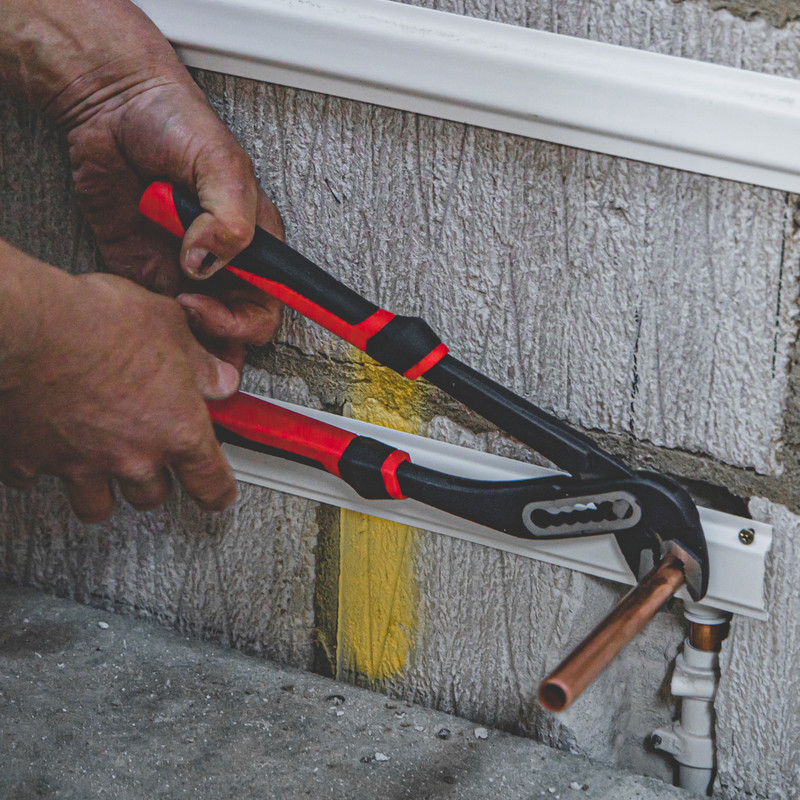
How to Become a Plumber
Interested in pursuing a career as a plumber? In this article, we’ll dive into everything you need to know - from the right qualifications and training routes through to the skills you’ll need, costs, and how long it can take to become fully qualified. We’ll also consider different pathways into the trade, including apprenticeships and fast-track courses, as well as what to expect in terms of salary, day-to-day responsibilities, and career progression.
To become a plumber in the UK, you’ll typically complete an apprenticeship or plumbing course that leads to an NVQ Level 2 or 3 qualification. This can take anywhere from one to four years, depending on which route you choose.
What Does a Plumber Do Day-to-Day?
Your everyday tasks as a plumber can vary quite a bit depending on where you work and what projects you take on. You could spend one morning installing a new bathroom suite and the afternoon fixing a burst pipe in someone’s home.
Common daily tasks look a bit like this:
-
Installing and repairing water systems, pipes, and taps
-
Fixing different types of boilers and heating systems
-
Unblocking drains and toilets
-
Reading technical drawings and plans
-
Testing systems for leaks and pressure problems
-
Advising customers on maintenance and upgrades
You can expect to work in different locations each day. Some days you could be working in a new-build home, fitting a bathroom from scratch. Other days, you might be responding to emergency call-outs for a broken-down boiler or leaks.
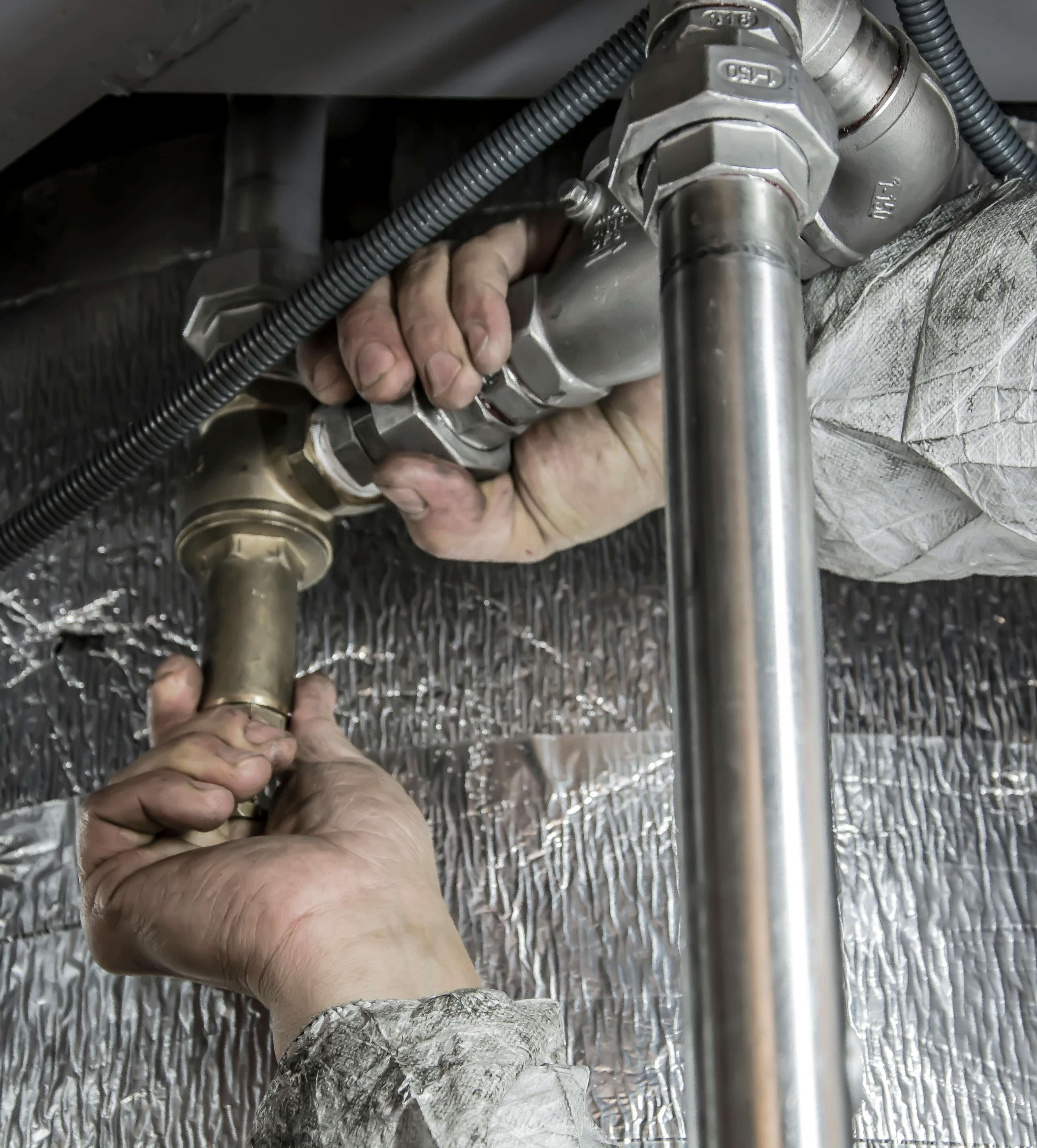
Keep in mind that the work is hands-on and physical. You’ll be required to kneel, crouch, and work in tight spaces, such as under sinks and in loft areas. You’ll lift heavy equipment and make use of various tools.
No two days are the same in plumbing, so expect plenty of variety, which helps keep the job interesting and challenging.
What Qualifications Do You Need to Become a Plumber in the UK?
If you want to get started without any formal qualifications, you can seek employment as a plumber's assistant. This way, you can make a start on basic plumbing jobs in private homes.
However, getting recognised plumbing qualifications will become necessary if you plan on working on construction sites. They will likely help you find work more easily and prove your skills to employers and customers.
The most common starting qualifications include the following:
-
City & Guilds Level 2 Diploma in Plumbing Studies
-
NVQ Level 2 in Plumbing and Heating
-
Building Services Engineering Level 2 Foundation Apprenticeship
You can progress to higher-level qualifications once you’ve completed Level 2. A Level 3 Advanced Apprenticeship teaches you more specialist skills and opens up better job opportunities.
If you want to work in specialist areas, you’ll probably need additional qualifications. For example, heat pump engineers often complete a Low Carbon Heating Technician Level 3 Advanced Apprenticeship.
The great thing about a career in plumbing is that you can start training at any age. Whether you’re leaving school or fancy a career change, you can become a plumber without any previous experience.
The key is choosing the right training route to suit your circumstances. Some people prefer full-time college courses, whereas others learn through apprenticeships. Both routes can lead to the same qualifications and career opportunities.
How Long Does It Take to Become a Qualified Plumber?
The time it takes to become a plumber depends on which training route you choose. Traditional apprenticeships are the most common path and can take anywhere between 2 to 4 years to complete. If you attend college full-time, you can expect to spend around 1 to 2 years completing a plumbing diploma or certificate.
That said, there are fast-track plumbing courses that can get you there quicker, lasting anywhere from 6 weeks to 4 months. These courses are more intensive and cover essential skills and knowledge in a condensed timeframe. However, you’ll still need to gain practical experience and additional qualifications afterwards to become fully qualified.
Keep in mind that becoming qualified is just the beginning, and you’ll continue developing your skills throughout your plumbing career.
Essential Skills Every Plumber Needs
Becoming a plumber requires more than just technical knowledge. You’ll need practical abilities and a few personal qualities to succeed in this trade.
Physical Fitness
This is important because you’ll spend time bending, kneeling, and working in tight spaces. You’ll also need to carry heavy equipment and materials on a regular basis.
Problem-Solving Skills
Being able to problem-solve is crucial for diagnosing issues with different plumbing systems. You’ll need to think logically to work out the best solution for each situation.
Manual Dexterity
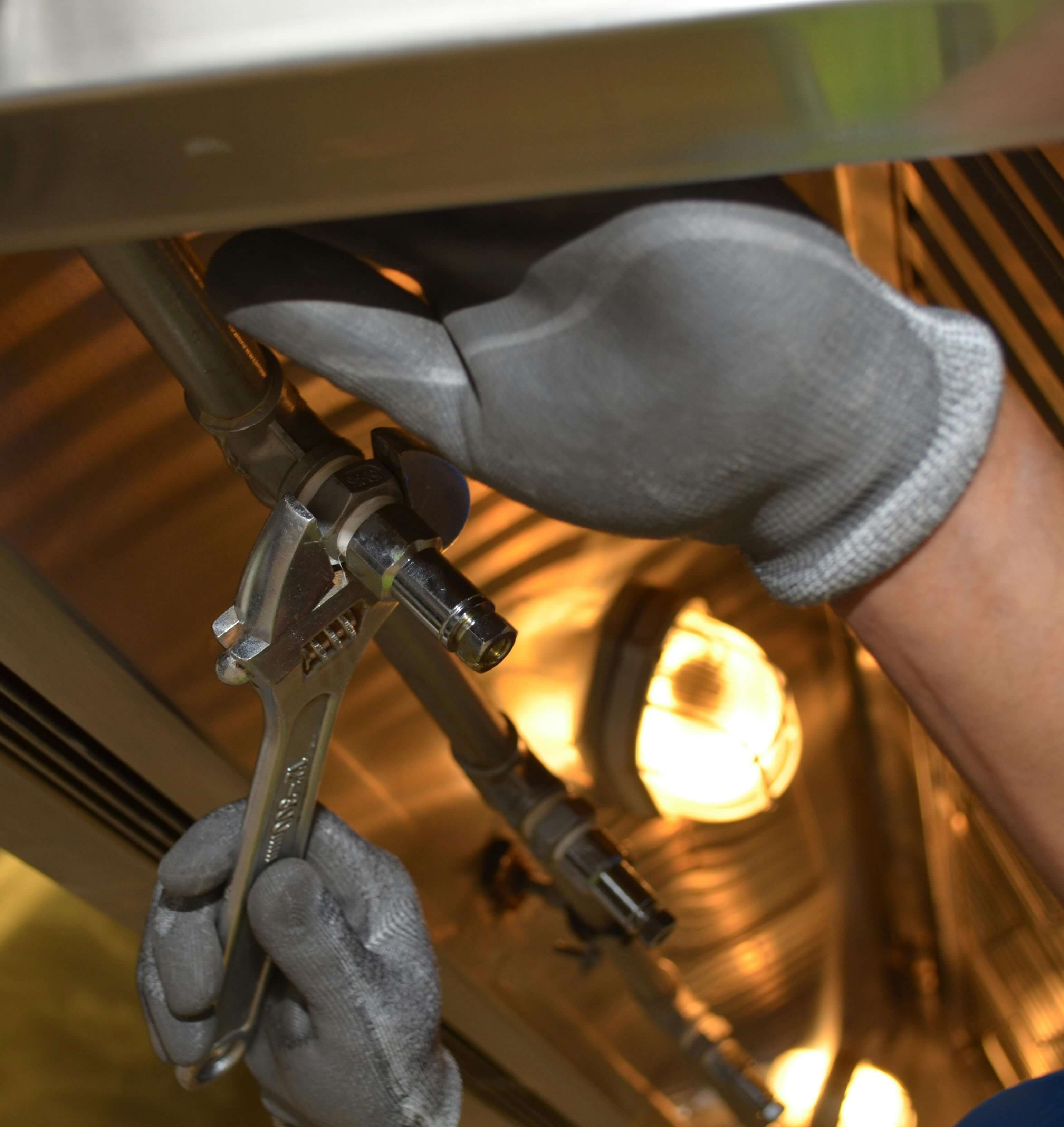
Having good manual dexterity will help when it comes to handling fiddly tools and small components. You’ll work with your hands constantly, so being comfortable with practical tasks is really important.
Attention to Detail
Good attention to detail means that you’ll complete installations correctly and safely. Even small mistakes in plumbing can lead to big problems, so accuracy matters.
What Tools Does a Plumber Typically Need?
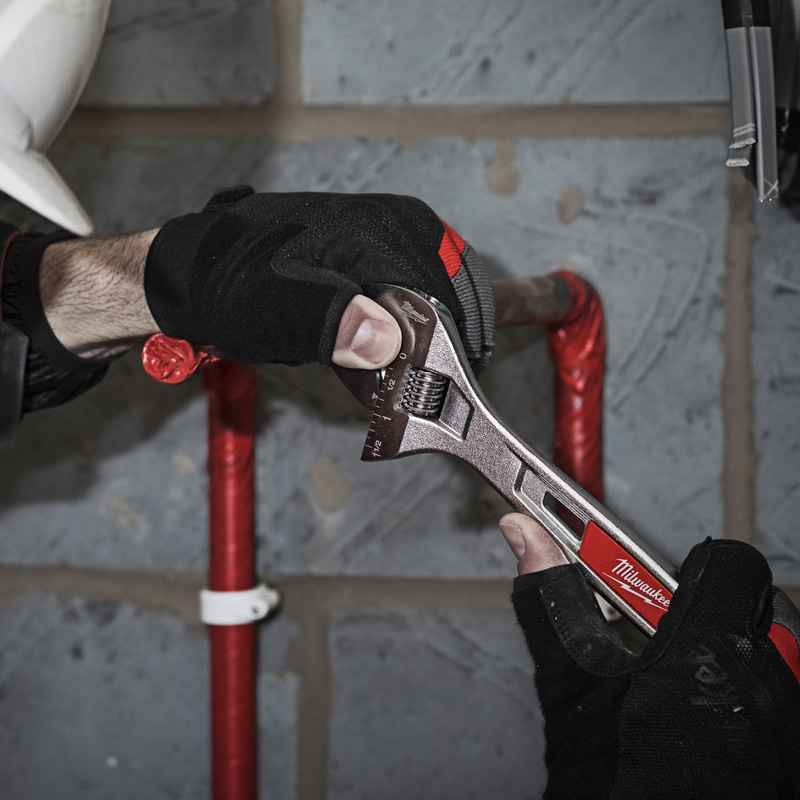
Below is a list of hand tools that you’ll likely use on a daily basis:
Your toolkit should also contain:
-
Pipe Wrenches in different sizes
-
Screwdrivers (Phillips and flathead)
-
PTFE Tape (for sealing threads)
As you progress, you’ll probably find that some power tools become necessary and will help speed up the completion of jobs.