

- Help & Advice
- Buying Guides
- Copper Pipe Sizes
The Different Sizes of Copper Pipe
Copper pipe comes in a range of different sizes, and which you choose depends on the specific application, water demand, and layout of your plumbing system. Choosing the correct pipe size is important to maintain a consistent water pressure, efficient flow, and long-term reliability.
Whether you’re working on a small DIY project or a full plumbing installation, understanding how copper pipe sizes are measured and where each size is best used can help you avoid common issues such as poor flow, noisy pipework, or unnecessary strain on your system.
In this guide, we’ll break down the most common copper pipe sizes, their typical uses, and how to choose the right one for your needs. Before that, we’ll consider some of the reasons why you might choose copper pipes over other alternatives like PEX pipe or PB pipes.
Reasons to Choose Copper Pipe
Durability and Longevity
Copper pipes are known for having an exceptional lifespan, and in many cases will last more than 50 years when properly installed. Unlike some plastic alternatives, they’re resistant to cracking, warping, and degradation over time. This makes them a reliable long-term investment for both residential and commercial plumbing systems.
Resistant to High Temperatures
Copper is able to withstand much higher temperatures when compared to materials like PEX or PVC. This makes it particularly suitable for hot water systems and other heating applications, where consistent thermal performance is essential without the risk of pipework deforming.
Corrosion Resistance
While most metals are prone to oxidation - even stainless steel - copper offers strong resistance to corrosion, especially compared to older metal pipes such as galvanised steel. It also forms a natural protective layer known as patina - the green build-up on the surface - which helps prevent further deterioration over time.
Natural Antibacterial Properties
Copper metal has inherent antimicrobial properties, meaning it can help reduce the growth of bacteria within the pipework. This makes it an attractive option for drinking water systems where hygiene and water quality are a priority.
Recyclability and Sustainability
Copper is 100% recyclable without losing any of its performance. Many copper pipes are made from recycled material, making them a more environmentally friendly choice compared to some plastics which may be derived from fossil fuels.
UV Resistance
Copper pipes are unaffected by ultraviolet (UV) light, making them suitable for both indoor and outdoor use. In contrast, some plastic pipes can degrade or become brittle when exposed to prolonged sunlight.
The Different Sizes of Copper Pipe
8mm Copper Pipe
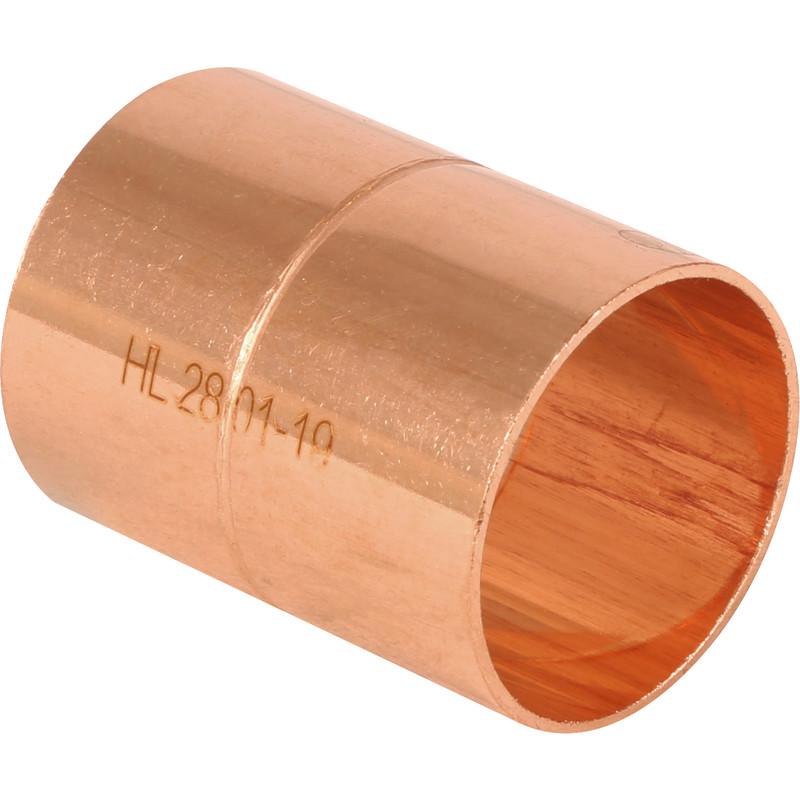
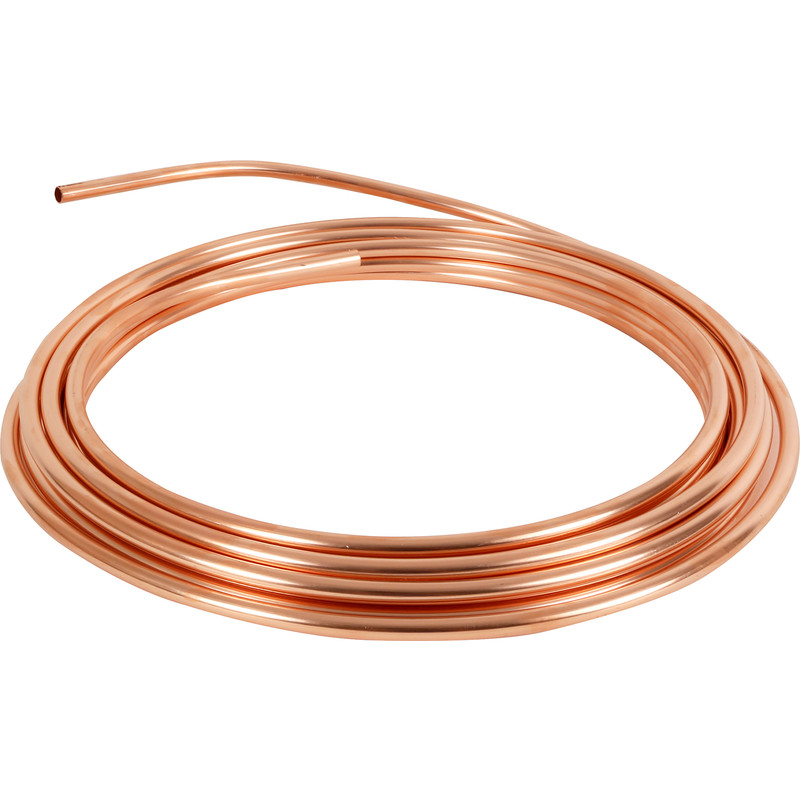
8mm copper pipe is relatively uncommon but still used in specific, low-demand situations. You’ll most often find it in microbore central heating systems which usually comprise of narrow pipes, especially in older heating installations or where space is quite limited.
Because of its small diameter, it’s really only suitable for short pipe runs supplying single radiators or low-flow outlets. While it helps reduce water volume in heating systems (making them quicker to heat up), 8mm pipes can be more prone to blockages and, for this reason, tend not to be used in modern heating systems.
10mm to 12mm Copper Pipe
10mm and 12mm pipes sit between microbore and standard domestic sizes, and are often used where a slightly higher water flow rate is needed without stepping up to a larger 15mm diameter.
-
10mm copper pipe is commonly used in microbore heating systems, feeding individual radiators from a manifold or central distribution pipe.
-
12mm is less common but can be used for short runs to single outlets such as basins or appliances.
These sizes are ideal for targeted applications where space-saving might be more important, but they’re not typically used for whole-house supply due to their limitations with water flow.

15mm Copper Pipe
15mm copper pipe is the most widely used pipe size in domestic plumbing and tends to be considered the standard for most applications.
It’s commonly used for:
- Hot and cold water supply to taps, toilets, and appliances
- Central heating pipework (radiators and short distribution runs)
- General internal plumbing where moderate flow rates are required
Its versatility makes it the go-to choice for plumbers, offering a good balance between flow capacity and ease of installation. For most household fixtures, 15mm provides more than enough water delivery without excessive bulky pipework.
20mm to 28mm Copper Pipe
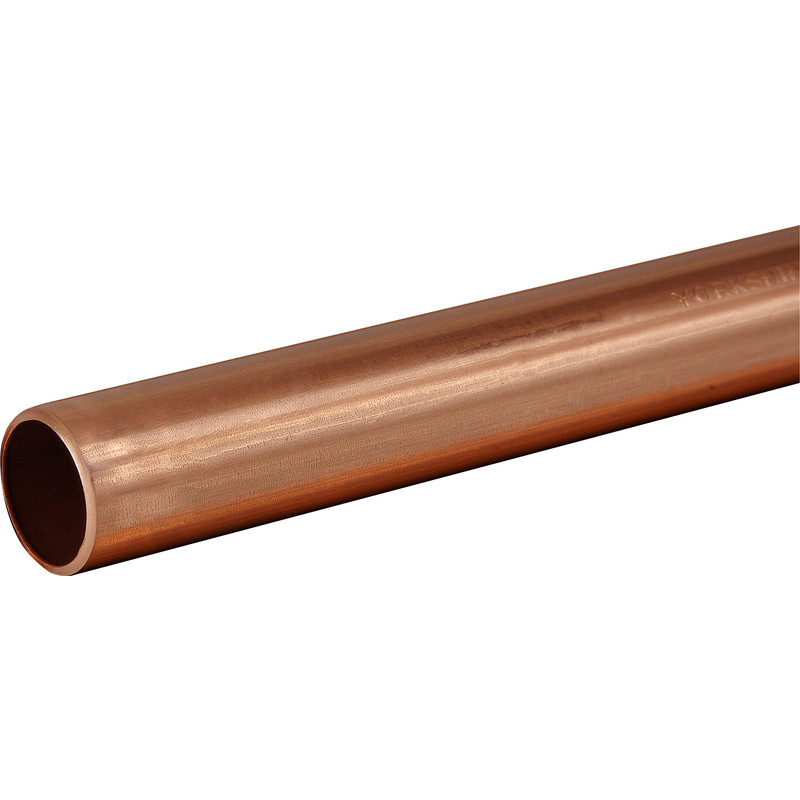
These larger pipe sizes are used where higher flow rates are needed, typically forming the backbone of a plumbing system.
- 20mm is often used for larger domestic supply lines, such as feeding multiple outlets or acting as a main distribution pipe within a property.
- 22mm copper pipe is frequently used for mains water dsistribution, boiler connections, and supplying mutiple radiators.
- 28mm copper pipe is generally reserved for incoming mains water supply (especially in bigger properties), commercial systems and high-demand heating systems.
These larger diameter pipes ensure good water pressure and flow across several outlets, helping to prevent pressure drops when several taps or appliances are in use at the same time.
Why Pipe Size Matters
If a pipe is too small for the demand, you may notice reduced water pressure at taps and showers, poor flow when several outlets are used at once and noisy pipework or increased wear on the heating system. Oversizing, on the other hand, can increase costs and slow down hot water delivery due to the larger volume of water in the system.
For most home applications, 15mm pipe is ideal for short runs supplying single outlets such as taps, toilets, and appliances. However, as pipe runs get longer or begin to supply several outlets, moving up to 22mm pipe helps maintain performance and prevent pressure loss. This is especially important when feeding entire bathrooms or multiple fixtures from the same line.
For mains supply lines or high-demand systems - such as larger homes or properties with multiple bathrooms - 22mm or 28mm pipe is typically required to ensure efficient flow rates. In central heating systems, smaller pipes like 8–10mm could be used for individual radiators, while 15mm and 22mm pipes handle the main flow and return. As a general rule, the greater the distance and demand, the larger the pipe diameter should be.