

- Help & Advice
- Buying Guides
- Satin Paint vs Gloss
Satin Paint vs Gloss: Which Finish Is Best for Your Home?
Choosing the right type of paint finish can sometimes be a little overwhelming and if you’ve found yourself wondering about the differences between satin paint vs gloss, you’re not alone. It’s a common question DIYers ask before starting a new decorating project.
While paint colour is typically top priority, the finish you choose can completely change the look and practicality of a room. From how much light reflects off the walls to how easy they are to wipe clean, satin and gloss each have their own strengths and drawbacks.
In this guide, we’ll break down the real differences between satin paint vs gloss in simple, practical terms. So, whether you’re painting skirting boards, kitchen cabinets, or an entire room, you’ll have a clear idea of which finish will give you the best results for your space.
What is Satin Paint?
Satin paint is a type of interior paint that’s one level down from gloss in terms of how shiny it is. It’s often used on things like window sills, skirting boards and interior doors due to it’s subtle sheen and durable finish.
It sits somewhere between eggshell and full gloss on the sheen scale, and offers a soft, smooth appearance that reflects light without creating a high-shine effect. This makes it best for areas that need to withstand everyday wear and tear but where you might prefer a softer look compared to the high shine of gloss.
One of the main advantages of satin paint is its durability. It forms a tougher surface than you'd get with matt paint, meaning it can handle regular cleaning and is more resistant to scuffs, moisture and stains. For this reason, it’s commonly chosen for high-traffic areas such as hallways, staircases and children’s bedrooms.
Satin paint also does a good job of hiding minor surface imperfections like bumps and scratches. While it has some light-reflecting properties, it won’t highlight flaws as much as high gloss can. This can make it more of a practical choice.
Benefits:
-
Durable and resistant to everyday wear
-
Subtle sheen for a softer, modern look
-
Easier to clean than matt finishes
Drawbacks:
-
Can still show some surface imperfections
-
Slight sheen may highlight uneven patches on walls
What is Gloss Paint?
Gloss paint is a very high-shine interior paint known for its reflective and polished appearance. It sits at the top of the sheen scale, offering the shiniest appearance of all the other paint finishes. The distinctive shine gives surfaces a sleek, almost glass-like look that can make colours appear richer and more vibrant.
Because of its hard-wearing properties, gloss paint is most commonly used on woodwork and metal surfaces, so things like doors, skirting boards, architraves and radiators. Once it's dried down, it forms a really tough surface that stands up well to knocks, scuffs and frequent cleaning, making it perfect for high-traffic areas in the home or office.
One of the biggest benefits of gloss paint is its durability. It's super resistant to moisture and stains, which makes it a popular choice for kitchens, bathrooms and utility rooms. Its smooth surface is also easy to wipe down, helping to keep surfaces looking fresh over time.
It's worth noting however, that because gloss paint reflects a lot of light, it can highlight surface imperfections such as dents and brush marks. So, if you're applying a fresh coat of gloss, be sure that surfaces are well-prepped beforehand.
Benefits:
-
Extremely durable and hard-wearing
-
Highly moisture and stain resistant
-
Easy to wipe clean
Drawbacks:
-
Highlights surface imperfections
-
Strong shine may feel too bold for some spaces
-
Requires thorough surface preparation for best results
Satin Paint vs Gloss: What’s the Difference?
Now that you know a little more about each type of paint, what's the main difference between the two? Essentially, it's the level of sheen. Gloss paint has a high-shine, reflective finish that creates a bold and polished look, whereas satin paint has a softer, mid-sheen appearance with a more muted finish.
Another important difference is how they handle surface imperfections. Gloss paint reflects a lot of light, which bounces around the room meaning things like dents and scrapes are often highlighted. Satin paint however, is more forgiving and better at disguising minor flaws due to its lower sheen.
Durability is strong with both finishes, but gloss paint is generally tougher and more resistant to moisture, stains and heavy wear. This makes it ideal for high-traffic areas and rooms exposed to humidity. Satin is still durable and easy to clean, but offers a slightly softer overall finish.
Satin Paint vs Gloss for Different Rooms
Choosing between satin and gloss paint ultimately comes down to the look you're after and the demands of the room you’re decorating. Below, we've given some recommendations as to where each type of best could be better suited around your home.
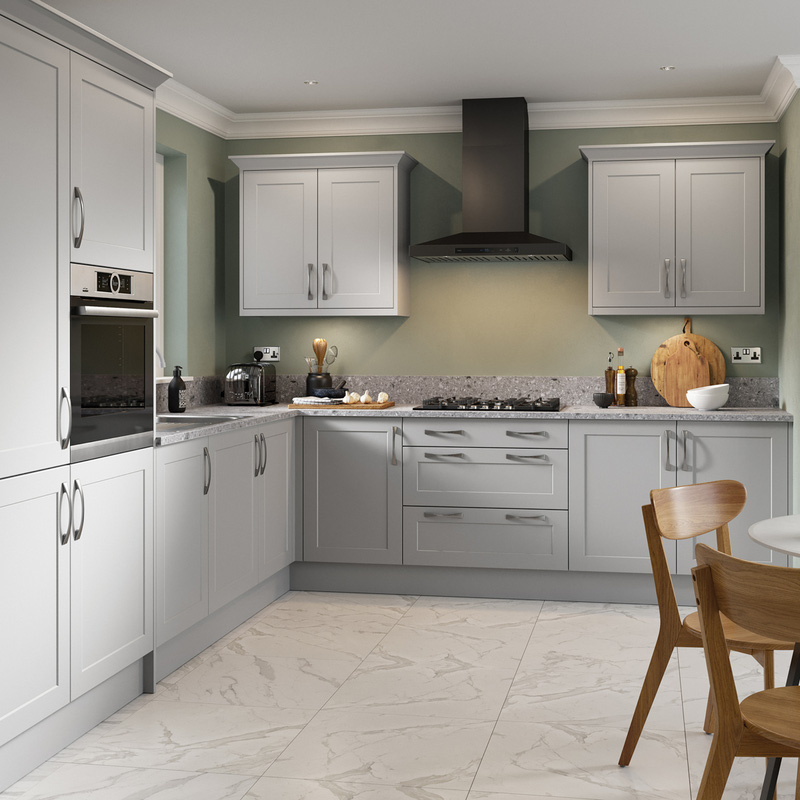
Kitchens and Bathrooms
When it comes to painting a kitchen or bathroom, durability and moisture resistance are the most important considerations. Gloss paint is usually the stronger choice here due to its high resistance to humidity, splashes and frequent cleaning. Satin can also work well, particularly on walls or cabinets, offering good durability with a slightly softer, less reflective finish.

Living Rooms and Bedrooms
For living rooms and bedrooms, appearance tends to take priority over heavy-duty performance. Satin paint is typically preferred in these spaces as it provides a subtle sheen that feels warmer and modern without being too overpowering. Gloss is usually reserved for smaller areas like skirting boards and coving.
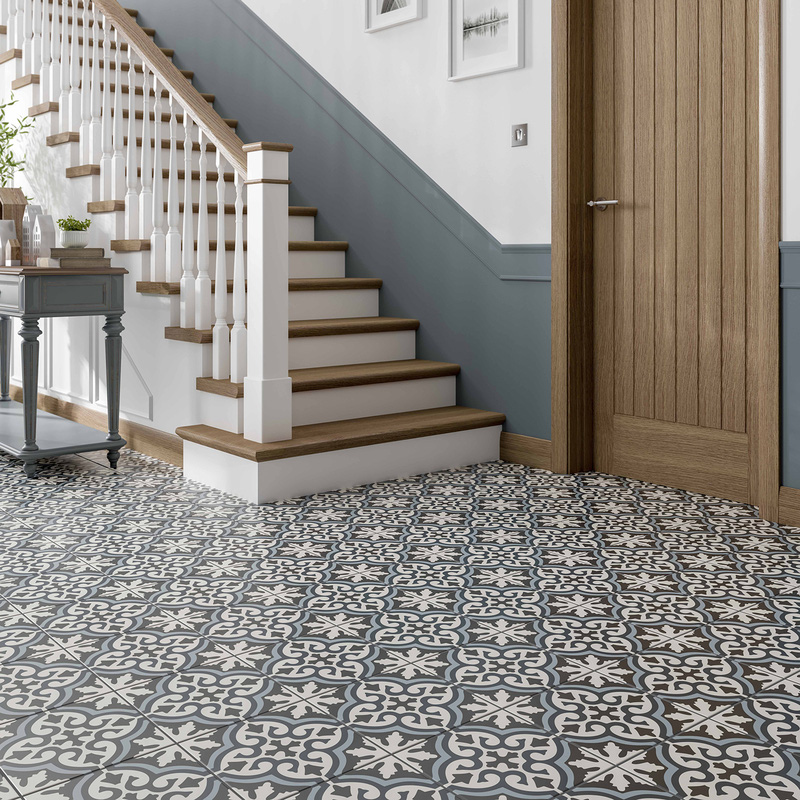
Trim, Doors, and Cabinets
Both satin and gloss are popular for trim, doors and cabinets because of their durability. Gloss delivers a crisp, high-shine finish that makes architectural details stand out, while satin offers a smoother, more understated look that still holds up well to daily use. The choice often comes down to how bold you want the finish to appear.