

- Help & Advice
- Buying Guides
- Oil Central Heating vs Gas

Oil Central Heating vs Gas: Which Is Better for Your Home?
Choosing between oil and gas heating can affect your monthly bills, the comfort of your home and environmental footprint. Many people don’t get to choose because their decision ultimately depends on whether their property connects to the main gas network. Typically, if you live in a rural area without access to gas, then oil becomes your main option for central heating.
Gas heating typically costs less to run compared to oil heating, with lower fuel prices per unit of energy and no requirement for a storage tank*. That said, you have more control over how and when you purchase oil, which could make budgeting for energy costs a little easier. Oil heating remains the most viable option for homes not connected to the gas grid. Understanding the key differences between these two heating systems can help you make better decisions about your home's heating.
In this guide, we’ll break down what separates oil and gas central heating systems. Whether you’re moving to a new home, or considering upgrading your current heating system, this article can help you make the right choice.
*The information provided in this guide is for general informational purposes only and does not constitute professional, financial, or technical advice. Energy costs, efficiency, and suitability of oil and gas heating systems can vary significantly depending on factors such as property type, insulation levels, location, fuel prices, and individual usage patterns. While every effort has been made to ensure accuracy at the time of writing, energy markets are subject to fluctuation and prices may change.
Before making any decisions regarding the installation, replacement, or upgrade of a heating system, you should seek advice from a qualified heating engineer or energy professional. Always ensure that any work is carried out by a suitably certified professional in accordance with current regulations and safety standards.
Key Differences Between Oil Central Heating and Gas Central Heating
Oil central heating and gas central heating differ in how they deliver fuel, store it, and heat your home. The type of boiler you can install depends on which fuel you choose, and each system performs differently in terms of heat output and efficiency.
How Oil & Gas Systems Operate
An oil heating system burns heating oil in an oil-fired boiler which generates heat for your radiators and hot water. The boiler draws oil from your storage tank through a fuel line and ignites it in the combustion chamber. Modern condensing boilers capture waste heat from glue gases to improve efficiency.
Conversely, gas heating systems work by burning natural gas from the mains supply. When you turn on your heating, the gas boiler ignites the gas to heat water that flows through your radiators and taps. Gas boilers also come in condensing versions that recycle heat from exhaust gases.
Both systems can work with underfloor heating and standard radiators. You control the temperature in each room using radiator valves or programmable thermostats.
Fuel Supply & Storage Requirements
Gas central heating connects directly to the mains gas network. You don’t need to store anything on your property. The gas supply is continuous, so you never run out unless there’s a problem with the network.
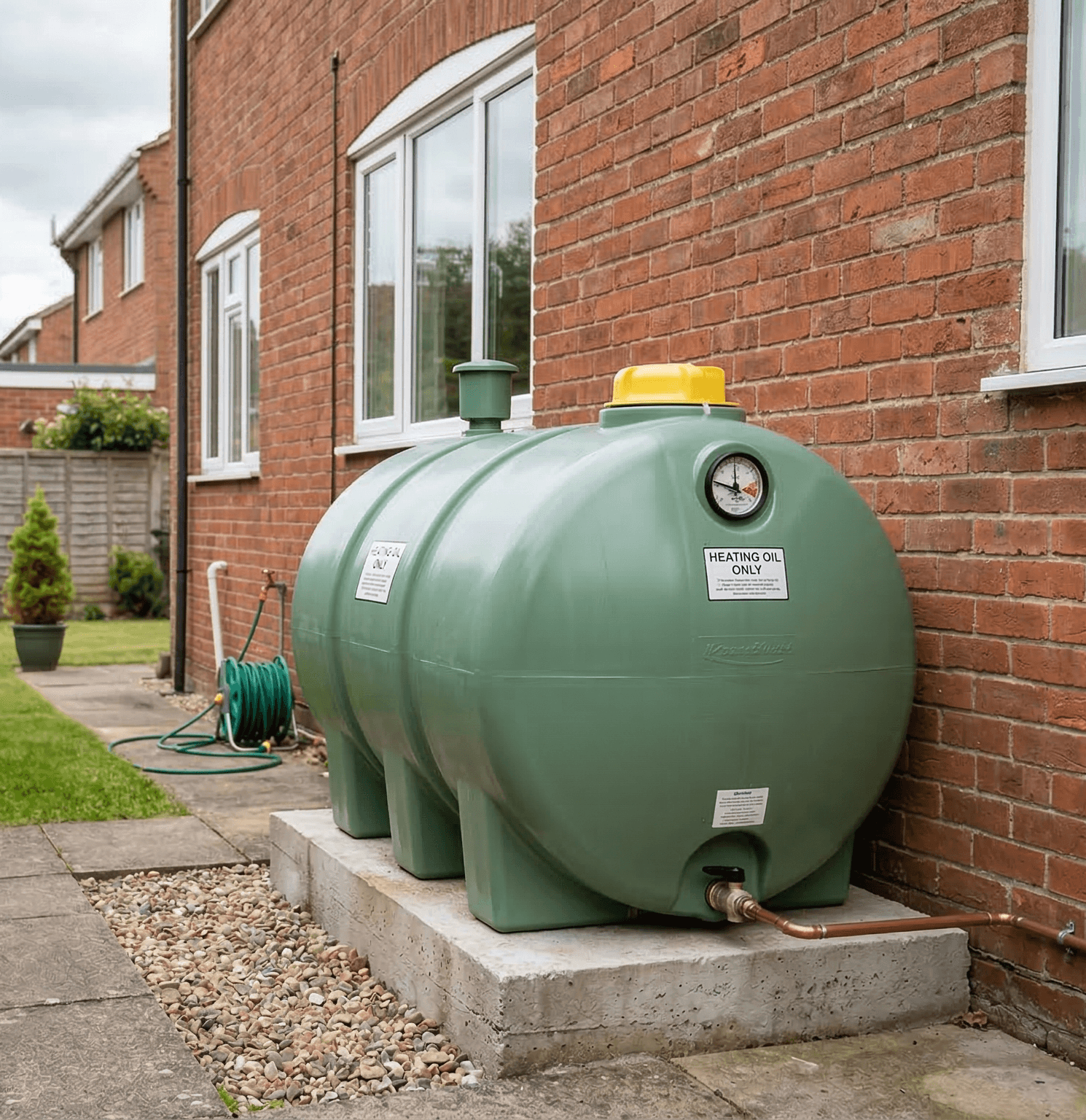
Oil central heating requires you to house an oil tank on your property. These tanks typically hold anywhere from 1,000 to 2,500 litres of heating oil. You need to arrange for deliveries when your tank runs low, and you need sufficient space in your garden to place the tank.
Rural areas don’t always have mains gas connections, making oil heating the only viable option besides electric storage heaters. Built up areas usually have gas mains, making gas heating much more convenient.
Boiler Types & Availability
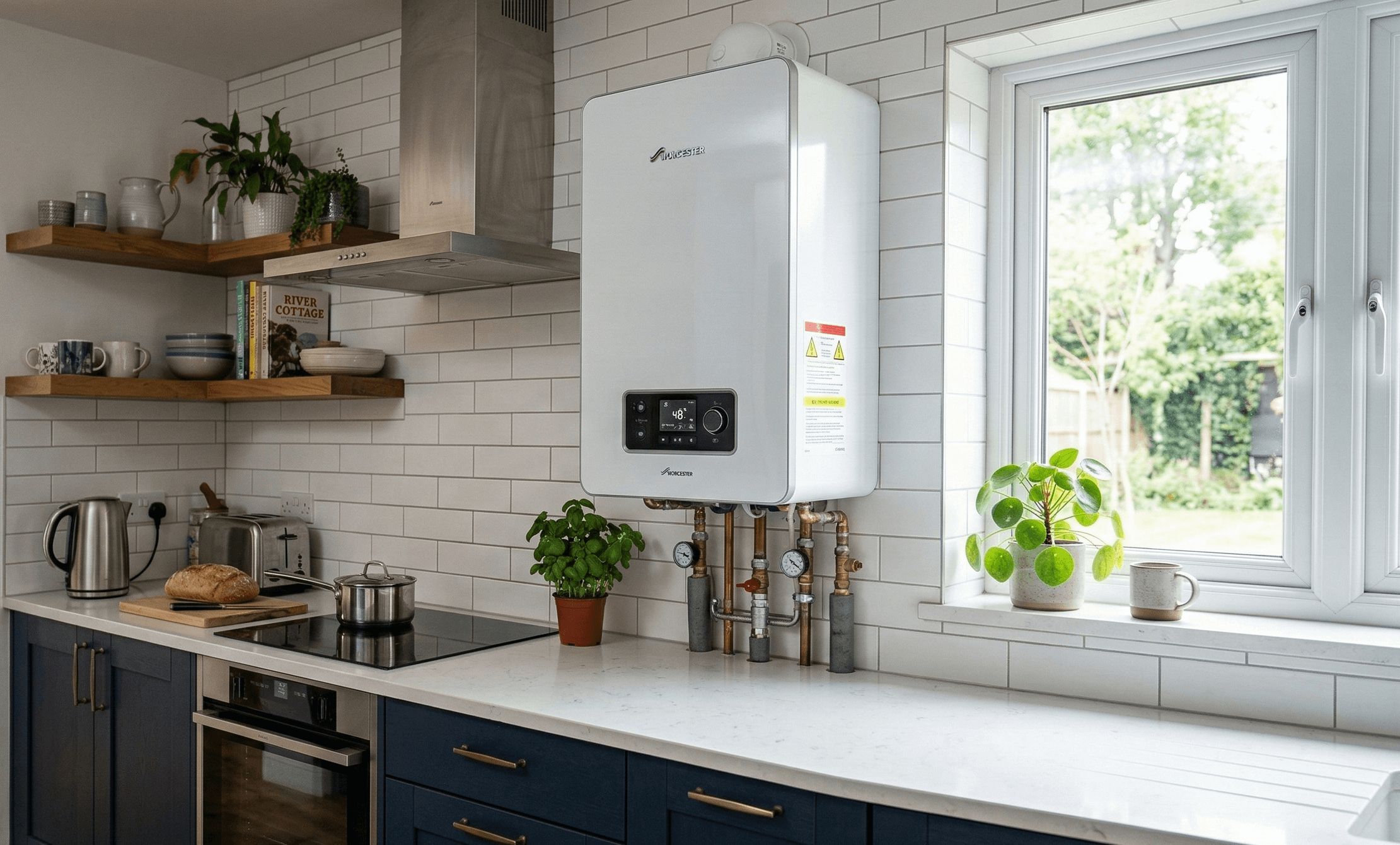
There are different types of boilers, combi boilers, system boilers and regular boilers. A gas combi boiler provides instant hot water without the need for a separate cylinder. Gas heating systems offer more choice in brands, models and price points.
Oil boilers include oil combi boilers, system oil boilers, and conventional oil fired boilers. An oil combi boiler works much like the gas equivalent but tends to be larger. Oil boilers are less common than gas boilers, which can impact the availability of engineers and, as a consequence, the cost of installation.
Both fuel types support condensing boiler technology, which achieves efficiency ratings above 90%. In either case, installation for both types of systems requires the help from a qualified engineer.
Heating Performance in the Home
Oil heating produces more heat per litre compared to gas, meaning that oil boilers are more likely to heat your home faster. Oil fired boilers tend to perform well in larger homes with high heating demands. One of their big advantages is that heat output remains consistent, even during very cold weather.
Gas heating systems provide reliable warmth and maintain steady temperatures throughout your home. Gas boilers respond quickly when you adjust your thermostat. They work efficiently with modern radiators and underfloor heating systems.
Both oil and gas heating can adequately heat homes of any size when properly sized. The kilowatt rating of your boiler matters more than the fuel type when it comes to heating performance.
Running Costs
As mentioned, gas central heating is typically less expensive to run than oil heating. However, it’s worth pointing out that gas users pay a standing charge through their energy supplier, which adds to the overall heating costs. Oil heating requires no standing charge since you purchase fuel directly and store in it the tank on your property.
Oil prices also fluctuate more dramatically compared to gas prices, with global events and seasonal demand impacting oil costs quite significantly. It’s best to monitor the prices of oil and buy when rates are more favourable in order to manage your heating bills more effectively. Gas prices usually remain more stable due to regulated supply networks making monthly costs more predictable.
Keep in mind that the actual difference in heating costs depends on the efficiency of your boiler, home insulation and usage. Modern condensing boilers of either gas or oil, typically deliver better value than older models.
Boiler Efficiency & Lifespan
When it comes to efficiency, modern condensing boilers for both oil and gas achieve 90-95% efficiency ratings. This means they can convert nearly all fuel into usable heat for your home.
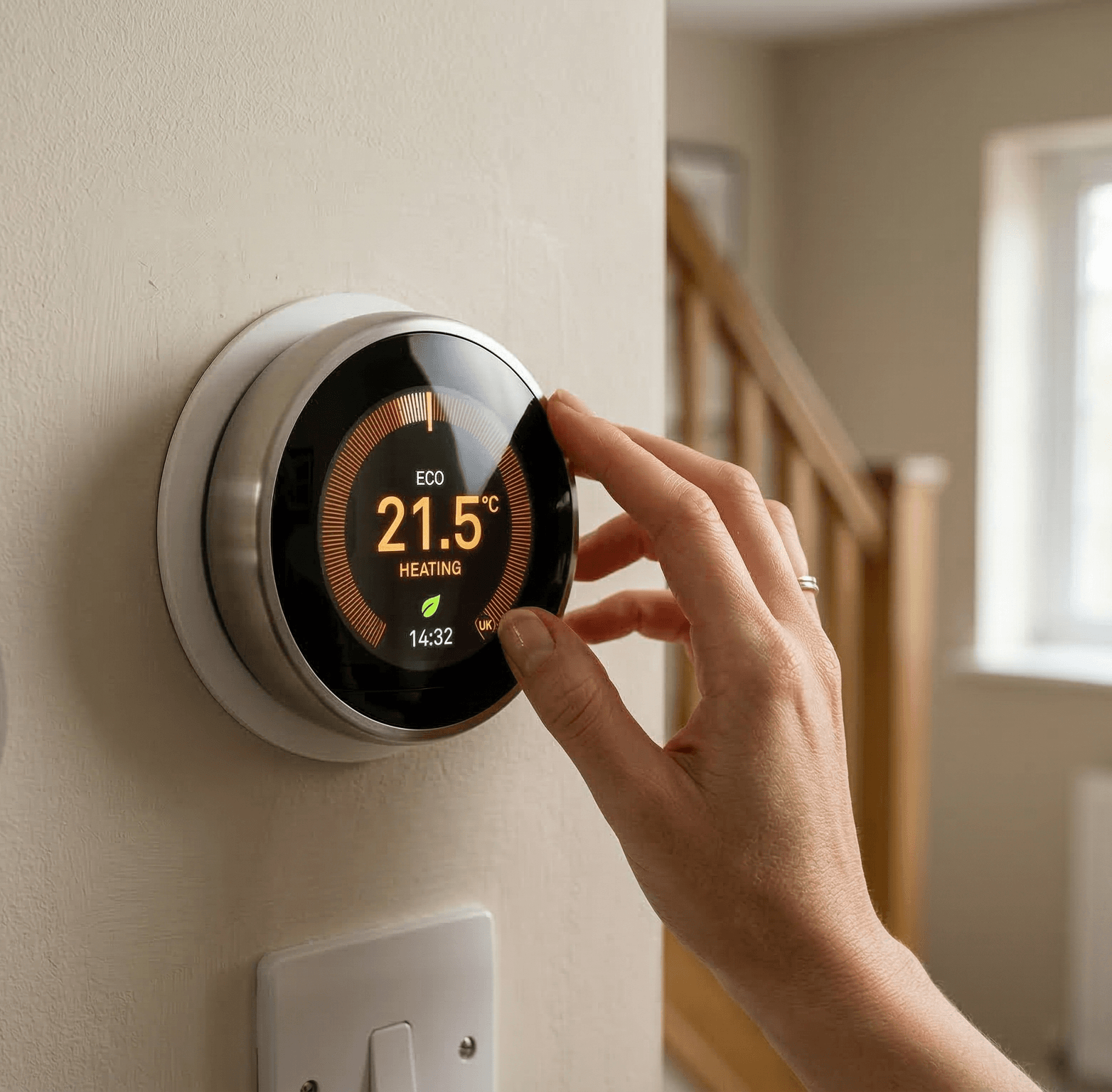
Oil boilers burn at higher temperatures than gas boilers. This makes oil particularly efficient for heating larger properties or homes with poor insulation. Gas boilers heat up faster and respond more quickly to thermostat changes. If you pair a gas boiler with a smart thermostat this can optimise efficiency and reduce waste.
Both systems last 15 to 20 years with proper maintenance. Oil boilers may require more frequent component replacements due to the higher combustion temperatures.
It’s important to note that boiler efficiency degrades over time. A boiler that’s older than 10 years likely operates well below its original efficiency ratings, which may contribute to higher running costs.
Key Takeaways
Below, we've rounded up the key points from this article. If you’re still unsure which system is right for your home, it’s a good idea to speak to a qualified heating engineer who can assess your property and recommend the most efficient setup.
Availability:
Gas is only available where there’s a mains connection, while oil is ideal for off-grid and rural homes.
Running Costs:
Gas is usually cheaper and more predictable, while oil prices fluctuate but can be timed for better deals.
Convenience:
Gas provides a constant supply with no storage needed; oil requires a tank and regular deliveries.
Installation & Choice:
Gas systems offer more boiler options and engineers, while oil systems can be more limited.
Performance:
Oil can deliver higher heat output (suited to larger homes), while gas offers fast, responsive heating.
Efficiency:
Both systems achieve high efficiency (90%+) with modern condensing boilers.
Lifespan & Maintenance:
Both last 15–20 years, though oil systems may need slightly more maintenance.