

- Help & Advice
- How To Guides
- How To Paint A Ceiling
How To Paint A Ceiling
Painting a ceiling is a great way to hide imperfections or refresh the appearance and the great news is it's a simple DIY job that, with the right tools, can be carried out by anyone.
Follow our easy-to-follow guide on how to paint a ceiling for a long lasting and professional finish.
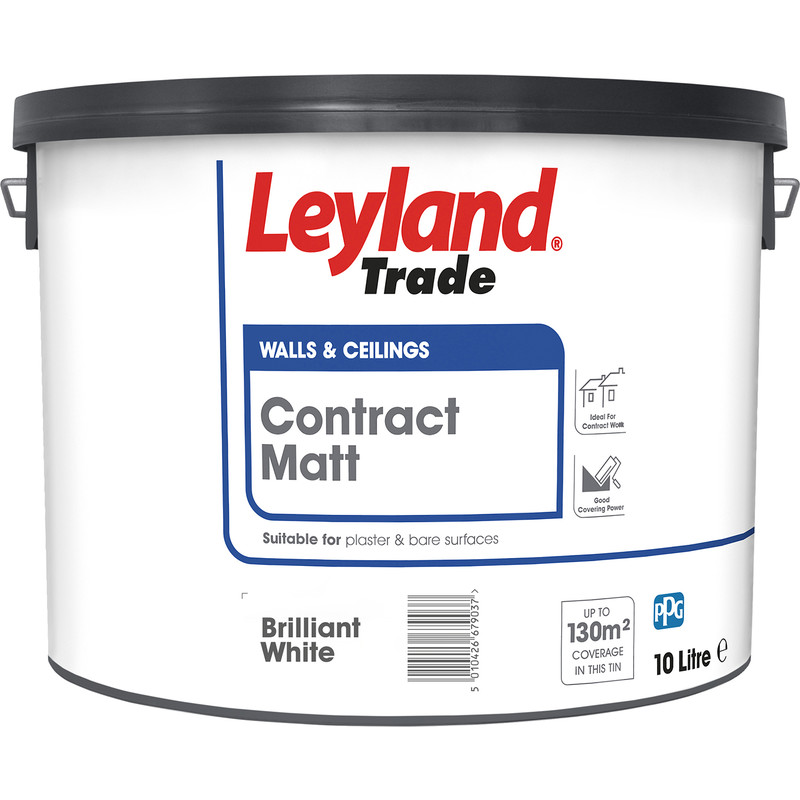
Essential Tools & Equipment
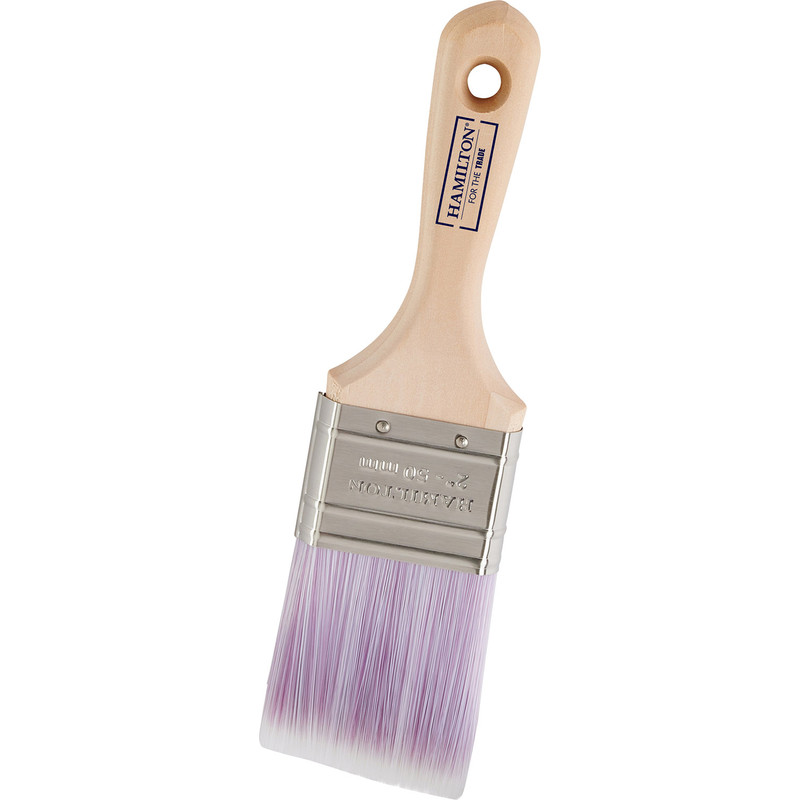
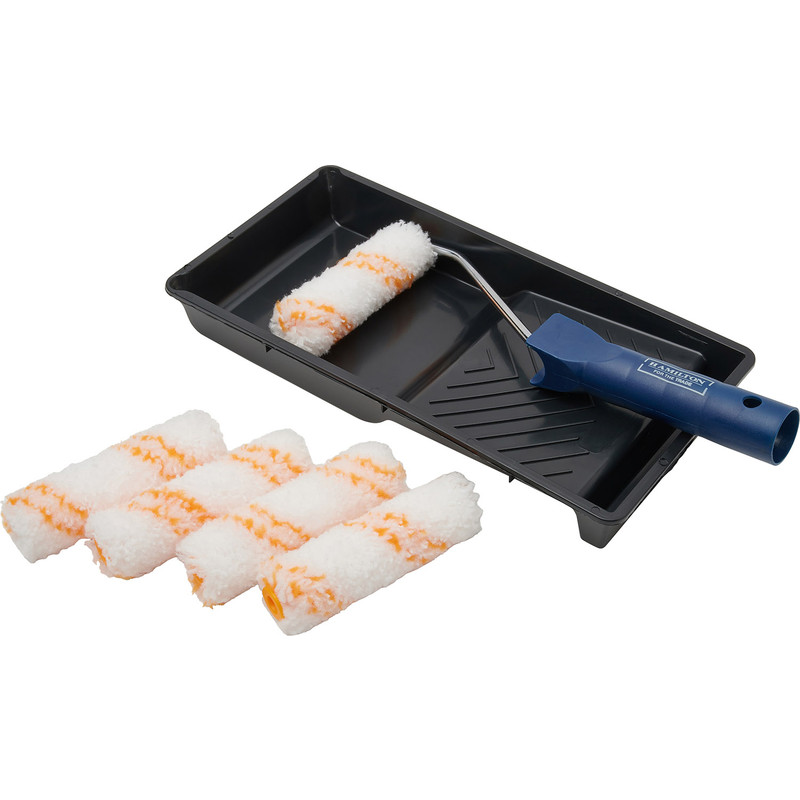


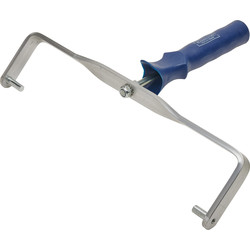



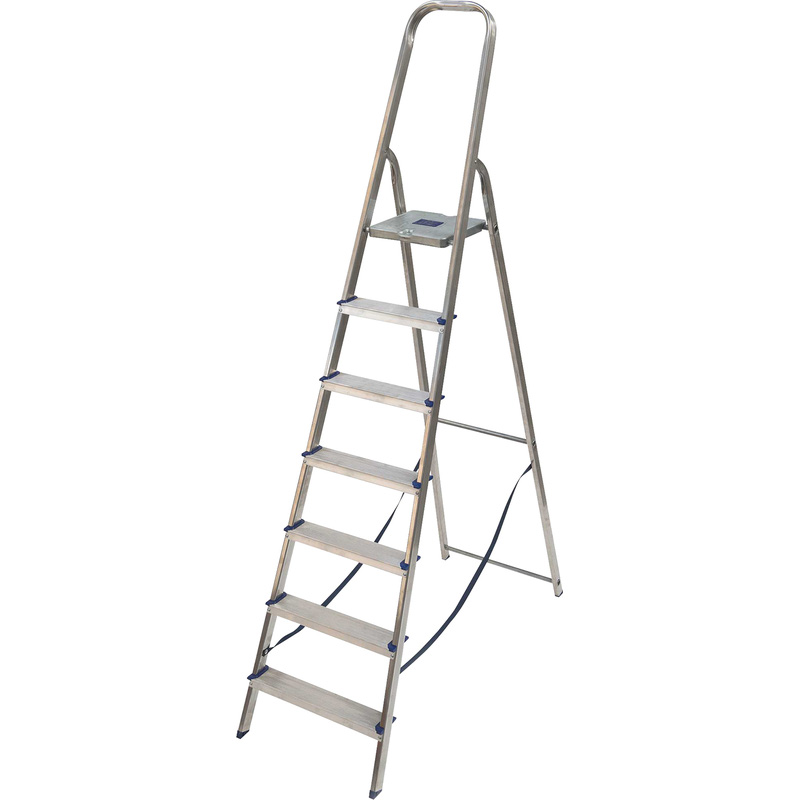
Step 1: Cover Furniture and Carpets
Before you make a start on painting the ceiling you'll want to ensure that everything you want to protect from paint splatters is covered with protective sheets.
With fixtures and fittings protected, it's a good idea to pop on a pair of safety goggles to protect your eyes.
Step 2: Prepare the Ceiling
Now it's time to inspect your ceiling. If you notice any cracks or peeling paint, you want to address these issues before you carry out any painting. Fill cracks with decorators caulk, allow to dry before lightly sanding. Any peeling paint should be sanded back to ensure the paint adheres properly to the ceiling.
Step 3: Mask Off Fixtures & Paint Edges
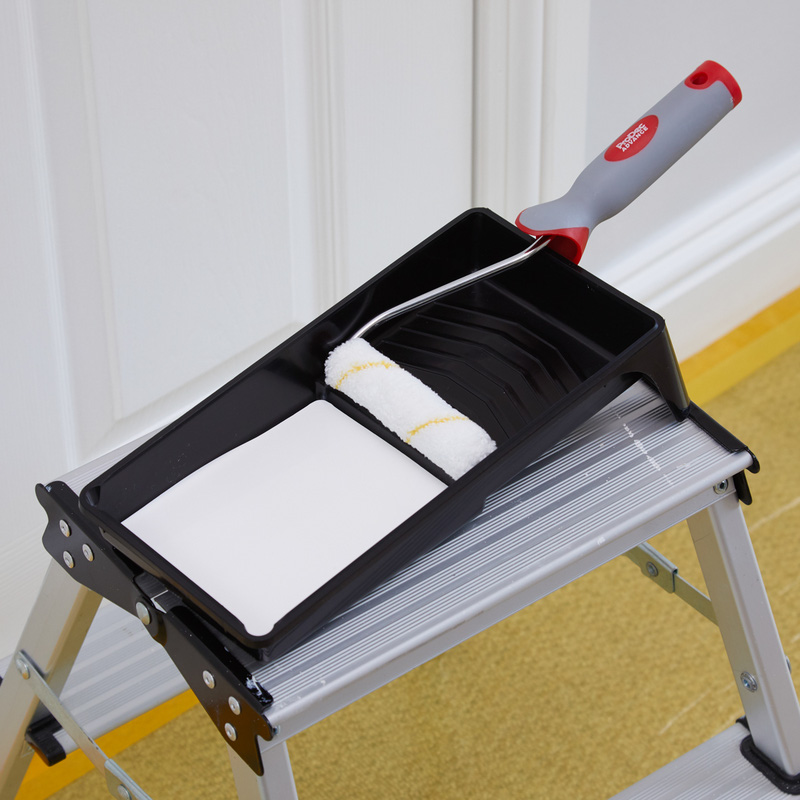
It's a good idea to paint the edges of the ceiling first as this makes painting the remaining much quicker. Before that though, apply masking tape around the ceiling edges to protect the walls, don't forget light fixtures too. Take an angled brush and use long smooth strokes to cut in the edges. Use a mini paint roller over the wet painted edges to reduce brush strokes and achieve a smoother finish.
Step 4: Paint Main Ceiling Area
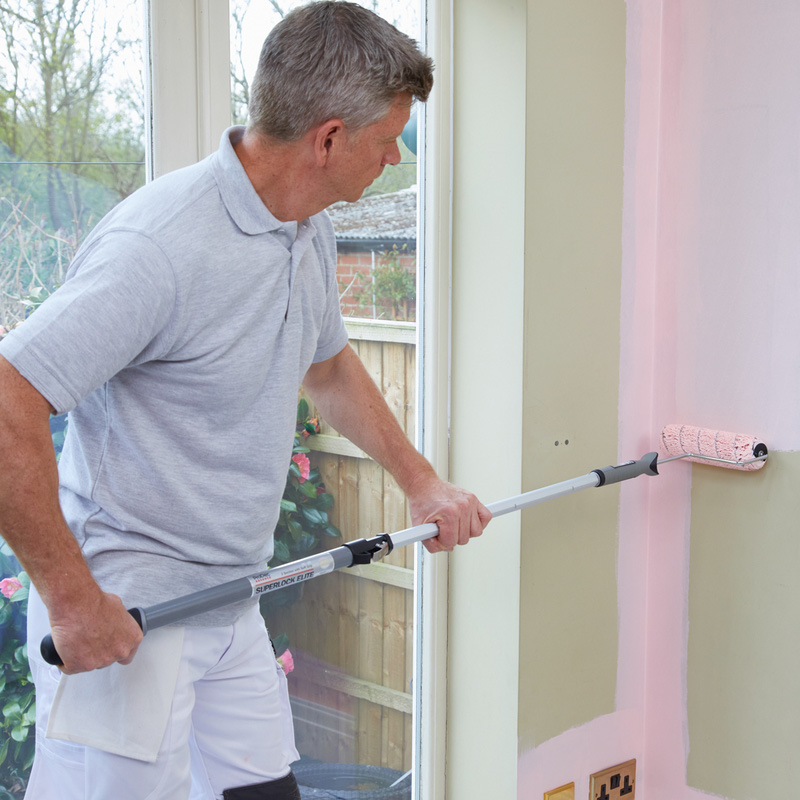
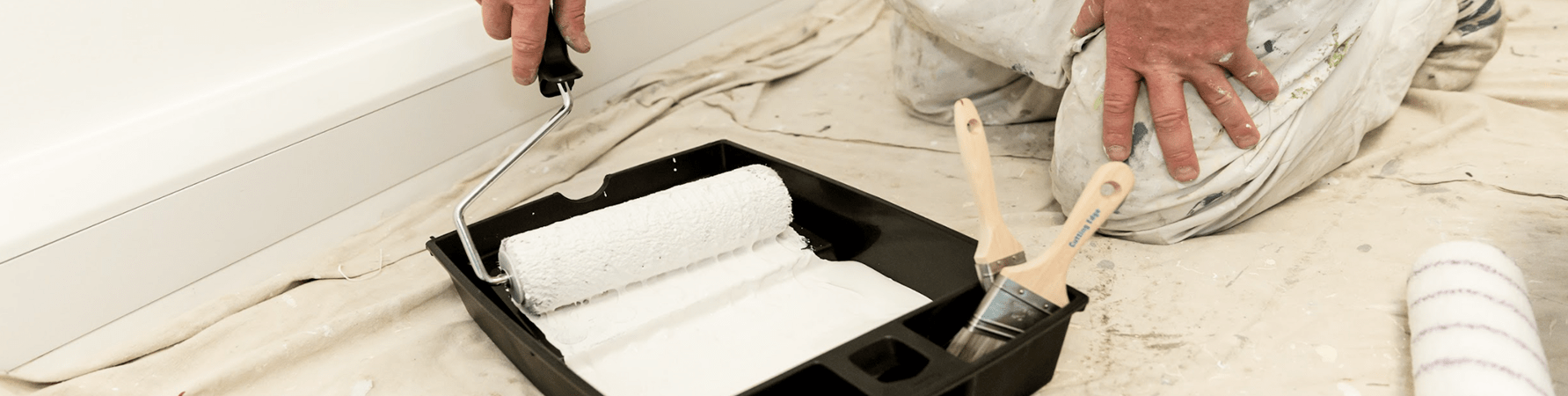
Choose the best type of paint roller, for ceilings this is usually a medium-pile roller which allows for sufficient pick up of paint without too much excess which could result in paint splashes. Fix this to an extension pole, this prevents you from having to make miltiple trips up and down a ladder. From here, load up your roller with paint and then make long strokes on the ceiling, working from the outside working in to the centre.
Step 5: Apply a Second Coat
After applying the first coat, allow this to fully dry before deciding on a second coat. If the ceiling appears patchy, two coats will ensure a more consistent and even coverage.