

- Help & Advice
- How To Guides
- How To Unblock A Toilet
How To Unblock A Toilet
A blocked toilet, like a running toilet cistern, is a common and annoying bathroom problem, but it can often be resolved by carrying out a few simple steps with the right tools.
Learning how to unblock a toilet yourself can save you time and money. This guide will take you through some easy-to-follow methods to clear a clogged toilet and restore proper drainage in next to no time! However, before jumping into it, check out our safety and prep advice below.
Important Safety & Preparation First!
Before you begin, make sure you protect yourself and your bathroom.
Do NOT Flush Again: If the water in the toilet bowl is already high or not draining, don't be tempted to flush for a second time. This is really important to prevent toilet overflow and a potentially flooded bathroom.
Close the Flapper: Lift the lid of your toilet tank and manually close the toilet flapper (this is the circular drain stopper connected to the chain). This stops more water from entering the toilet bowl. And don't worry, the water in the tank is clean!
Protect Yourself: Wear some durable rubber gloves (ideally extending up to your elbows) to protect yourself from any nasty germs. It's also a good idea to wear old clothing just in case things get a bit messy.
Protect the Area: Place old newspapers or paper towels around the base of the toilet to catch any water splashes or drips.
Ventilate: If you want to improve the ventilation while you work and get rid of any nasty smells, open up a window or turn on the extractor fan.
Have a Bucket Ready: Keep a bucket on hand to dispose of any blockages you might need to retrieve.
Essential Tools & Equipment
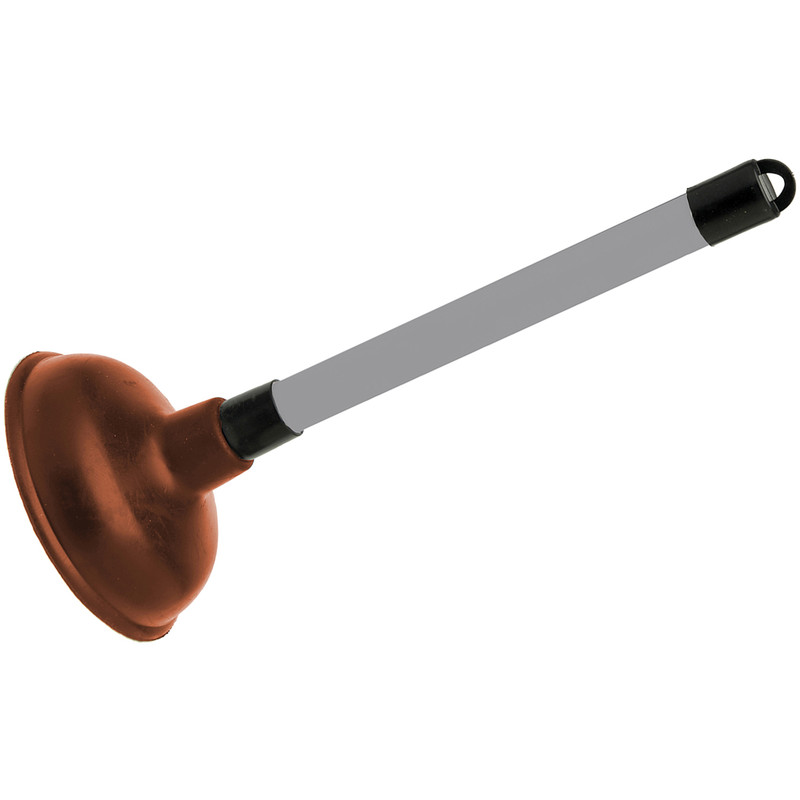
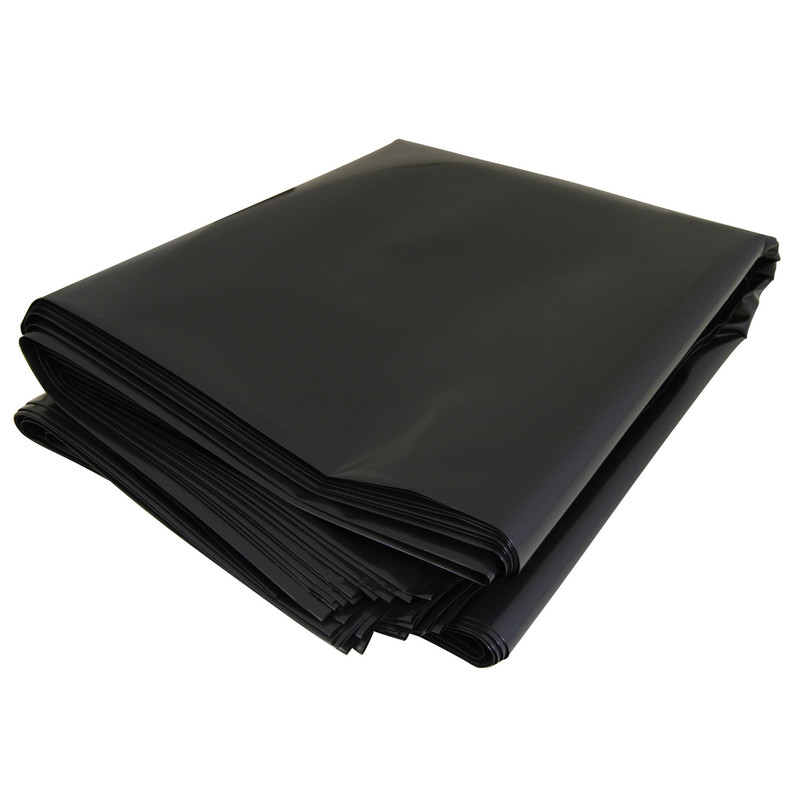
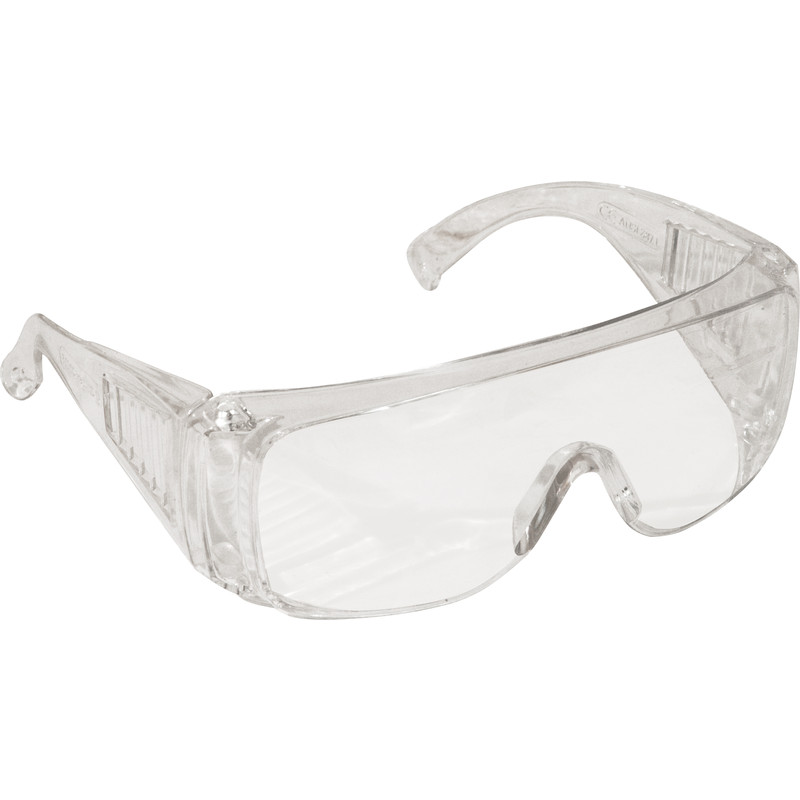
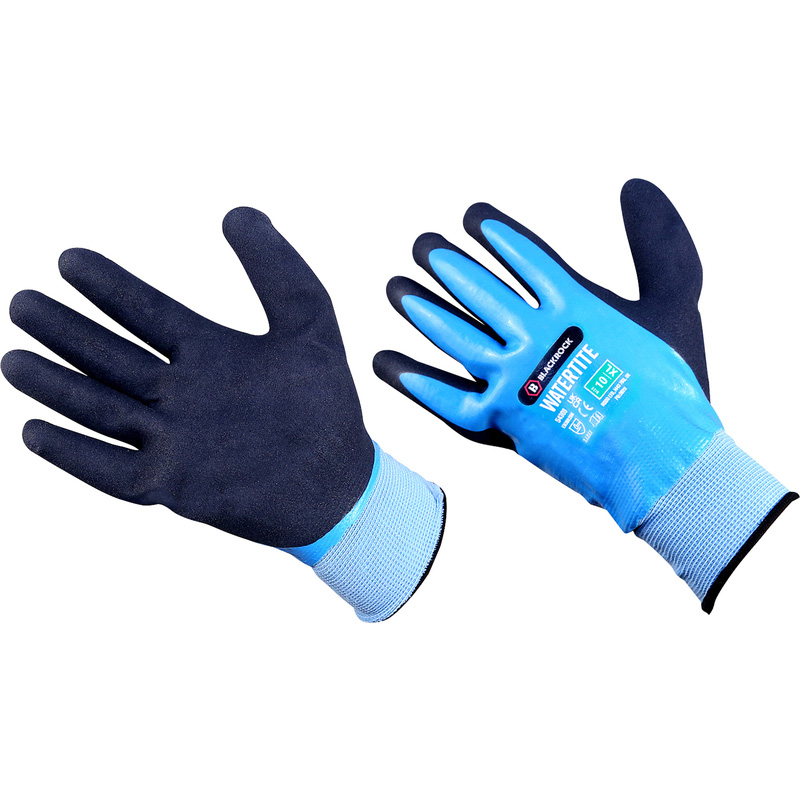
Step 1: Inspect the Toilet and Remove Visible Obstructions
If you can see a clear obstruction, something like a child's toy or any other foreign object, try to retrieve it first. With your rubber-gloved hands, carefully reach into the bowl and remove the item. This can be the quickest, and easiest, way to remove toilet obstruction.
Step 2: The Plunger Method (The Most Common Solution)
A plunger is usually the most effective method for a blocked toilet.
- Choose the Right Plunger: Use a heavy-duty plunger, ideally one with a fold-out rubber flange as this will create a secure seal around the drain. If you only have a standard plunger, an old cloth or rag can be wrapped around it to improve the seal. Running the plunger under hot water can also help soften it for better flexibility.
-
Create a Seal: Make sure the plunger completely covers the toilet hole and is fully submerged in water. Add some water from the sink if necessary to achieve this.
-
Plunge Vigorously: Slowly push the plunger down to expel the air, then pull up sharply to create suction. Repeat this push-and-pull action vigorously for about 15-20 seconds. Hopefully, you'll hear the suction dislodging or loosening the blockage.
-
Check Drainage: Remove the plunger and check to see if the water can now drain away.
-
Repeat if Necessary: If the blockage remains, leave the plunger in, allow the bowl to refill to its usual level (if it drains slowly), and start plunging again. Be prepared to persist with this activity; it can take 15 minutes or more for the blockage to subside.
Step 3: Hot Water and Dish Soap (For Minor Blockages Without a Plunger)
While simple and cost-effective, this method tends to work best on minor organic toilet blockages.
- Pour about half a cup of washing-up liquid into the toilet bowl.
-
Follow this with a gallon of very hot water (but not boiling water, as this can crack porcelain). Pour the water directly into the bowl from waist height to create force.
- Let the mixture sit for around 20-30 minutes, or even longer (e.g., overnight) if possible. The hot water helps dissolve the blockage, and the soap acts as a lubricant.
-
Try flushing the toilet. If it doesn't drain completely, you can repeat the process.
Step 4: Baking Soda and Vinegar (An Eco-Friendly Option)
If you'd prefer to avoid harsh chemicals, this is a popular and environmentally friendly alternative to drain cleaners for soft blockages.
- Pour one cup of baking soda into the toilet bowl.
- Follow this with two cups of white vinegar. The mixture will fizz and bubble - don't worry, this is perfectly normal.
- Let the solution work for at least 30 minutes, or ideally leave it overnight for stubborn blockages.
-
The following day, flush your toilet. If it's still clogged, you can try pouring in hot (not boiling) water from waist height after the mixture has sat.
Step 5: Using a Toilet Auger (Plumbing Snake) for Deeper Blockages
If the above methods fail, a toilet auger (also known as a plumbing snake or drain snake) is your next step. This tool is designed to reach deeper into the trap and waste pipe without scratching the porcelain.
-
Carefully insert the auger's flexible cable into the toilet drain.
- Push the cable until you feel resistance, which indicates that you've reached the obstruction.
- Once at the blockage, crank the handle to rotate the auger. This will either break up the obstruction into smaller pieces or allow the auger's end to hook onto it.
- Slowly pull the auger back out, hopefully bringing the obstruction with it.
-
Flush the toilet to check if the water is draining properly.
When to Call a Professional Plumber
If you've tried all the above methods and your toilet remains blocked, or if you experience frequent blockages, it's time to contact a professional plumber. Persistent issues could indicate a more significant problem in your plumbing system, such as a blockage deeper in the main drain line.