


The Ultimate Guide To Upcycling
Upcycling is a great opportunity to put your DIY skills into practice and create a piece of furniture you can be proud of. From old, stained coffee tables to pallets discarded by neighbours, countless items are waiting to be transformed into masterpieces.
Using recent data from upcycling subreddits, we found the most common upcycling projects discussed by users. We analysed each comment and submission to find the best upcycling opportunities for each item of furniture, as well as common issues. We also conducted a sentiment analysis of Reddit data to investigate which projects users were most proud of and which they struggled with the most. The higher the sentiment score, the more enjoyable the project was to work on.
The best upcycling projects for beginners
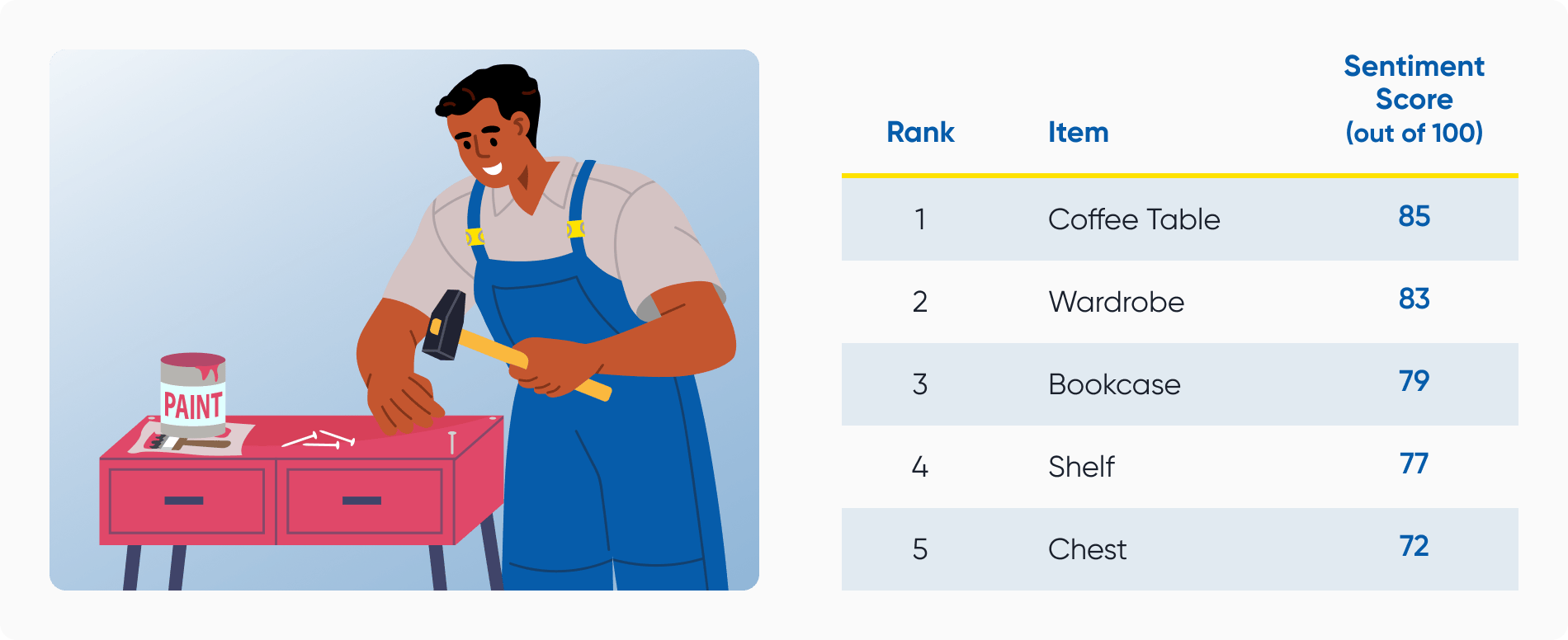
We determined the best upcycling projects for beginners by gathering the top five furniture items with the highest sentiment score. A high sentiment score signals the ease of upcycling and satisfaction upon completion of the project.
Coffee Tables - Difficulty: 1/5
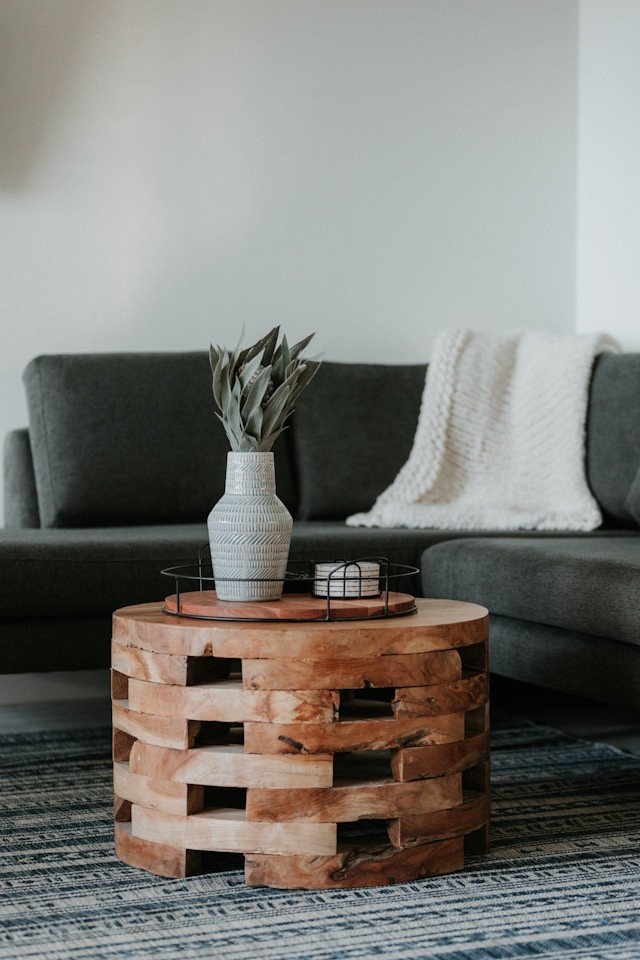
When it comes to upcycling furniture, coffee tables make a great starting point for beginners, scoring a sentiment rating of 85/100. Upcycling a coffee table can be as simple and cost-effective as a fresh lick of paint, making this project perfect for those less confident in their DIY skills. There’s the opportunity to be as creative or as traditional as you like. Data showed that coffee tables make incredibly versatile projects, with people giving them a new lease of life as game tables, succulent gardens, and even pet beds.
If you plan to take on a coffee table project, look out for water rings and heat damage, some of the most common issues revealed in our data. They’re easy fixes using sandpaper and a wood finish to revive the tabletop. You should also test the stability of the legs, repairing any damage and ensuring they can hold any new weight you plan to add to the structure.
Wardrobes - Difficulty: 1/5
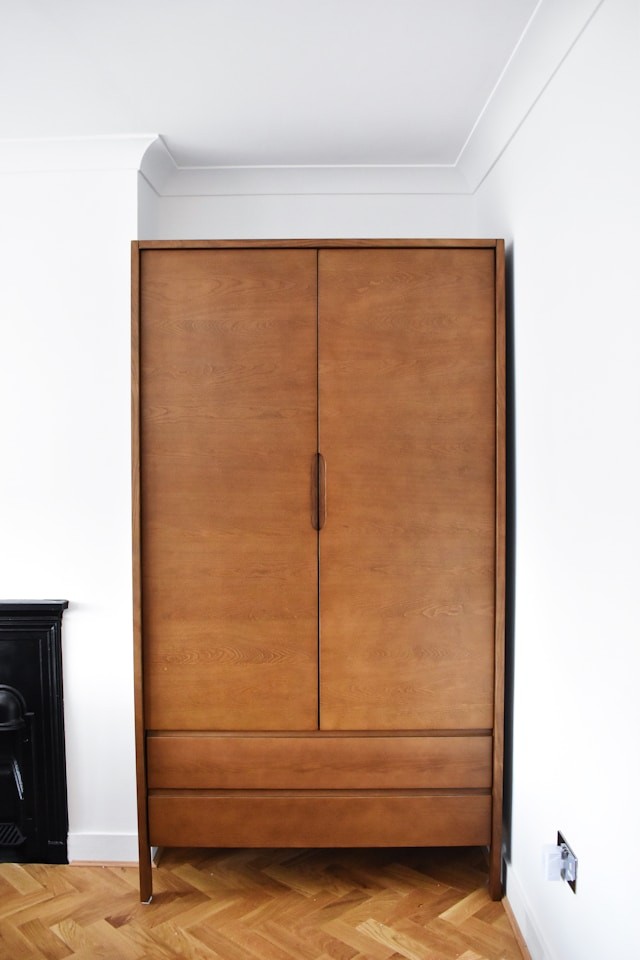
Not far behind: wardrobes, with a sentiment score of 83/100. Although upcycling a wardrobe might seem like a larger project than a coffee table, their basic structure means they can be simple to makeover. Redditors frequently transform wardrobes into workspace nooks, or ‘cloffices’ by installing a desk and additional shelving. Although this is a more advanced project, it’s a testament to the versatility and creativity of upcycling! For beginners, we recommend starting simple by sanding and repainting the wardrobe, ready to use for its original purpose or transformed into an entertainment centre.
As wardrobes are usually made from wood, their material can be the main cause of challenges when upcycling. Our data identified dampness, wood warp, chipping and wood rot as the most common issues. Find solutions in the FAQs further down this page.
Bookcases - Difficulty: 2/5
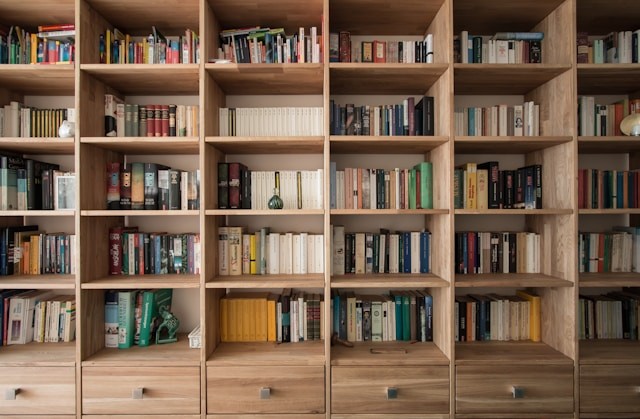
Next on the list are bookcases, with a sentiment score of 79/100. Upcycling a bookcase can be fun for beginners, with plenty of room for creativity without many complicated processes or techniques. Popular repurposings include vertical gardens, bar conversions and display cases, which can all be straightforward projects. In most cases, you’ll need to remove the paint and varnish before sanding and repainting the bookcase. Then, you can use it to showcase whatever you want, from planters to drinks, photos or trophies.
When upcycling a bookcase, the main concern is usually with the strength and integrity of shelves and panels. Reinforcing shelves can be done easily by installing shelf brackets, and re-nailing the wood can help support shelving and panels. You might also need to carry out small aesthetic repairs, like fixing any chips or scratches in the wood.
Shelves - Difficulty: 2/5
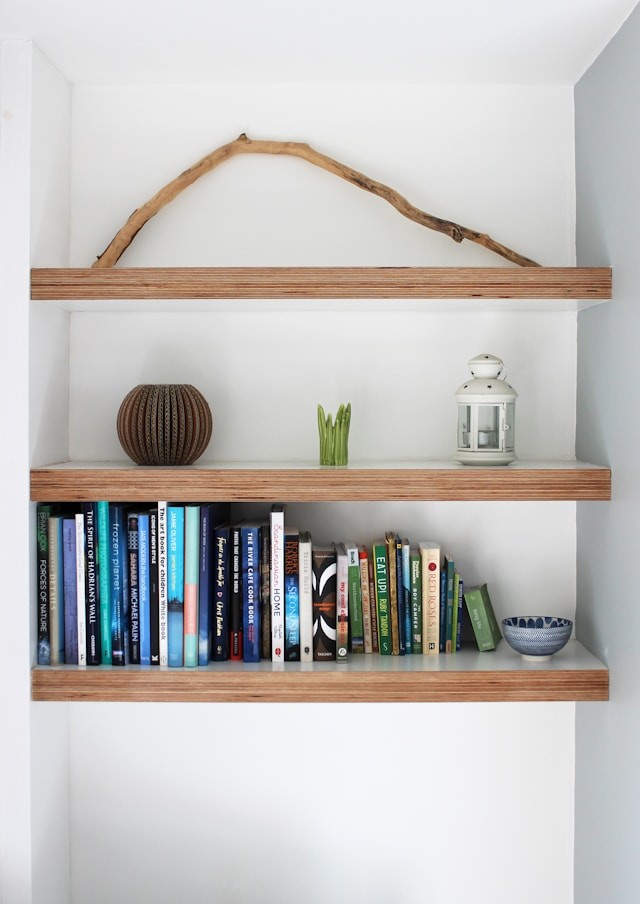
Following closely behind, shelves have a sentiment score of 77/100. It’s easy to make a shelf out of spare wood or repurpose old shelves from cases or units. Because they don’t have hinges or doors, upcycling shelves can be incredibly straightforward. The most common type of shelf upcycle uses wood, which can be dressed up with paint, varnish or a wood finish.
Be sure to consider what you’ll store on your new shelves, especially if they’ll be floating. Posters on Reddit frequently noted the importance of considering the load-bearing capacity of shelves. Make sure your chosen material is sturdy enough to support your possessions. If you’re attaching upcycled shelves to your wall, ensure you use strong brackets. To install your new shelves, mark the screw points on the wall and use a drill to create holes before inserting the screws. Then, you can attach the shelf to the bracket, securing it with screws if needed.
Chests - Difficulty: 2/5
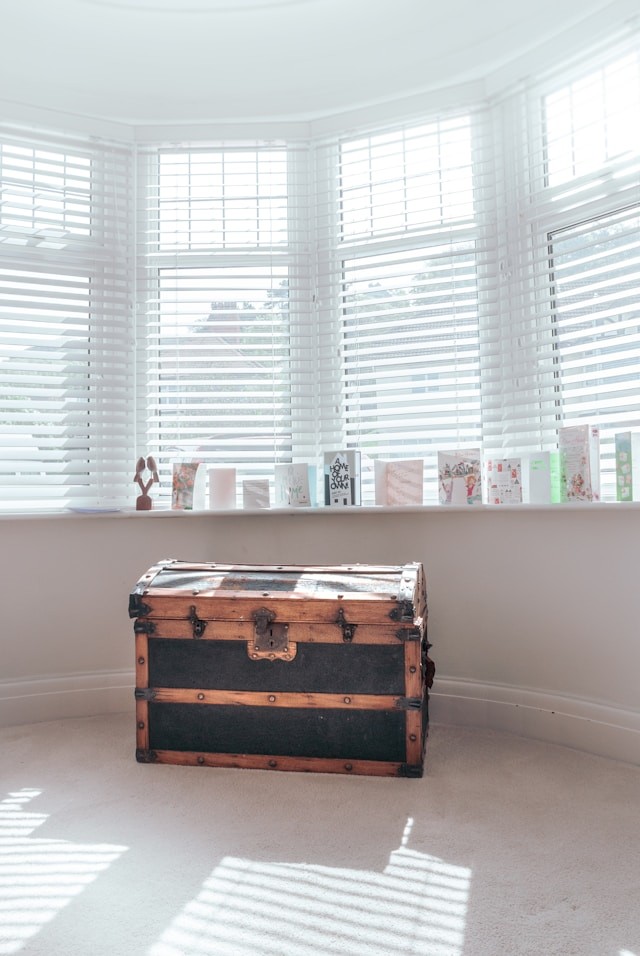
Lastly are chests, with a sentiment score of 72/100. Chests can be trickier to upcycle because of their hinges – beginners might struggle to revive old hinges and ensure the chest opens and closes smoothly. Chests make a versatile upcycling project, with popular transformations including benches, planters and coffee tables with added storage. Many DIYers enjoy their rustic look, making them perfect for homes with a quirky or vintage interior.
When upcycling a chest, you might run into smells or weak or rotting wood. Bad smells are an easy fix, but rotted wood can be more challenging. Beginners might prefer to avoid chests that show major signs of wood rot. But, if you want a challenge, you can remove the rotten wood with a chisel or woodworking tool before applying a wood hardener. Then, refill the gap with a resin-based wood filler. Let the epoxy cure, then sand and paint the chest to your desired finish.
The trickiest items to upcycle
To find the trickiest items to upcycle, we looked at those with the lowest sentiment score, meaning they were accompanied the most by negative vocabulary in the discussions. This doesn’t mean these projects can’t be successful or shouldn’t be attempted. However, they might be better suited to more experienced DIYers.
Headboards - Difficulty: 4/5
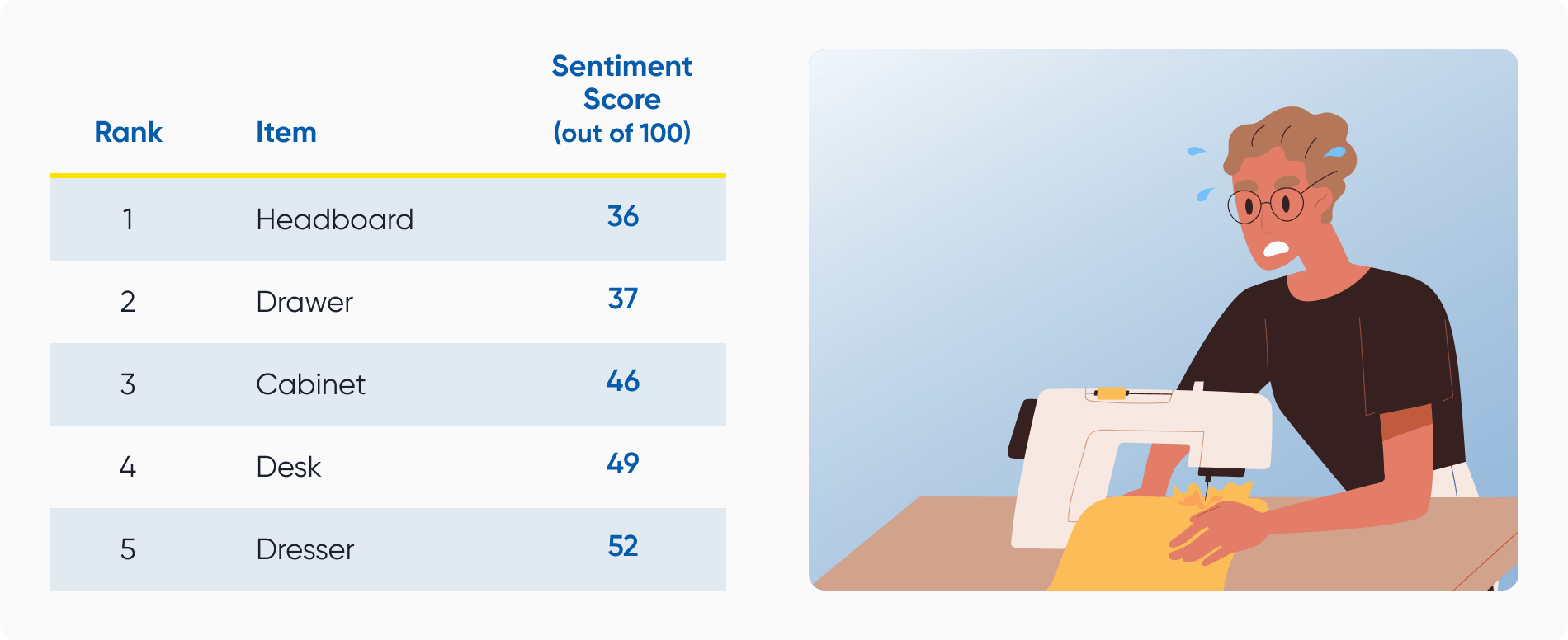
Coming out top as the trickiest furniture item to upcycle is headboards, with a sentiment score of 36/100. Users in upcycling forums struggled most with headboards, which are often reupholstered for a fresh new look. This can be difficult for designs with deep buttoning (pictured), which is an advanced craft that beginners may struggle with. There are plenty of YouTube tutorials that can help those with patience and a steady hand. When attempting upholstery yourself, the right tools and materials make all the difference – invest in fabric glue and a heavy-duty staple gun to ensure the material stays tightly stretched over the frame.
Headboards are often repurposed into other items, most commonly into benches or hanging wall art. When creating seating from a headboard, it’s essential to test the stability and load-bearing capabilities of the board so it doesn’t break under the weight of a person. When creating hanging wall art, use suitable picture fixings that can support its weight, likely heavier than the average piece of art.

Drawers - Difficulty: 4/5
The next hardest is drawers, with a sentiment score of 37/100. Although drawers often make up part of another piece of furniture, like a dresser, the data shows that upcyclers struggled the most with this item, including as a project on its own. Reddit data highlights the most common issues with drawers include cosmetic damage needing lots of sanding and wood filler, bottom panel replacements, broken knobs and pulls.
Single drawers can be easily separated from the rest of the furniture when discarded; you may have an irreparable frame with drawers that are still in good condition. If this is the case, upcyclers can transform drawers into planters, wall-mounted shelves or book storage. You can get the kids involved by making drawers into structured dioramas, using the wooden frame as the backdrop and showcasing a fun painted scene.
Cabinets - Difficulty: 3/5
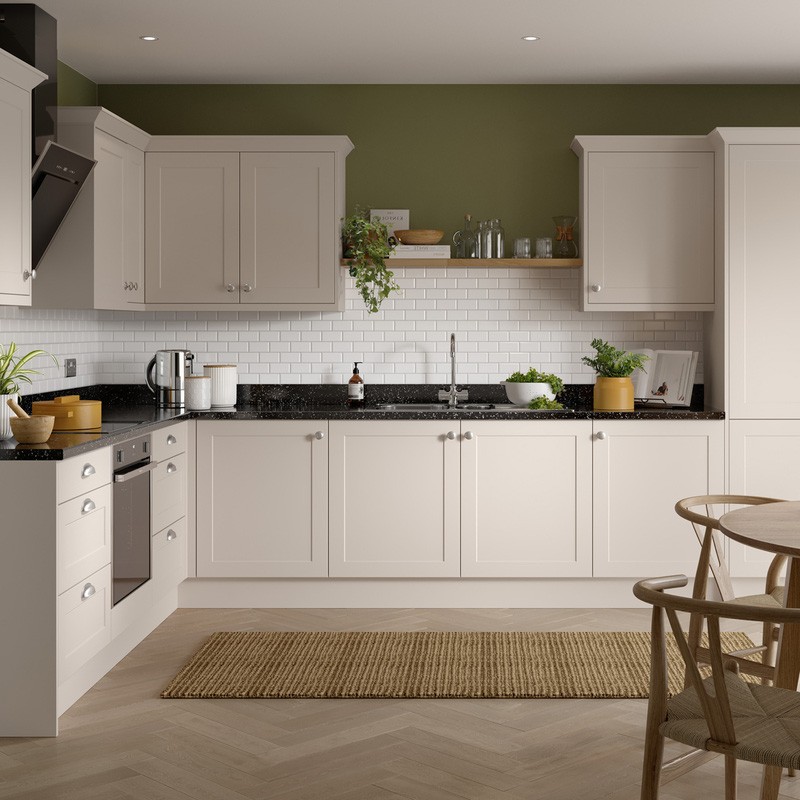
With a sentiment score of 46/100, cabinets also proved tricky to work with because of their hinges, meaning upcyclers need to pay particular attention to the alignment of the doors. Cabinets often contain damp, which can be difficult to fix if the damage is extensive. They can still make a rewarding upcycling project, but it’s worth checking for damage before starting the project.
If you’re up to date with kitchen trends, upcycling a cabinet can be a fabulous way to create a coffee station, a viral trend that’s taken over kitchen interiors. Removing the cabinet doors creates an open-plan base for a coffee station. Then, sand, prime and paint the cabinet, and insert wallpaper or panelling in the back for a decorative finish. Install cabinet lights and stock your new coffee station with your favourite mugs, coffee beans and other essentials. The same can be applied to a bar conversion, substituting mugs for wine glasses and your favourite drinks.
Desks - Difficulty: 3/5
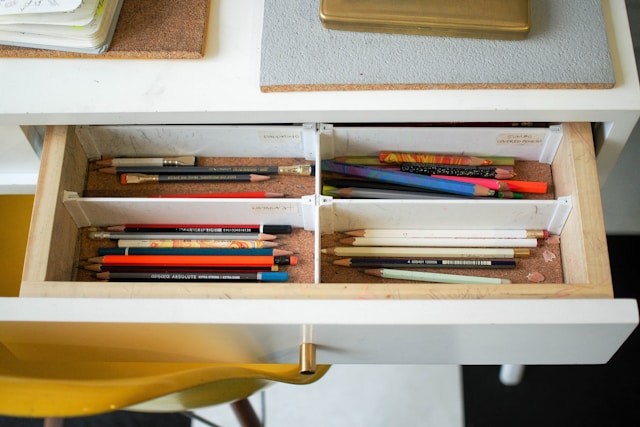
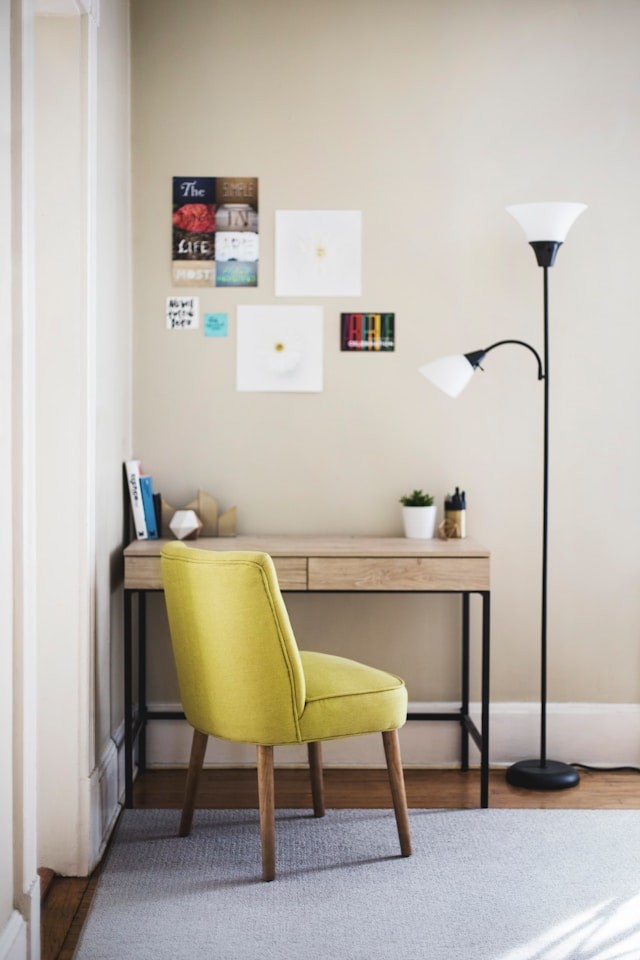
With a sentiment score of 49/100, desks have proven a challenge for the upcycling community. Although some popular repurposes, like vanity desks and hall consoles, don’t differ too much from the original structure, DIYers repeatedly run into issues. Drawer function can be challenging when working on desks with storage, as well as broken knobs and handles.
When working on older, run-down desks, sturdiness becomes a struggle, as legs may have worn down unevenly over time, resulting in an unstable desk. The first step to stabilising a desk is tightening the screws. If this doesn’t work, you could try inserting felt pads under any legs that are only slightly shorter than others. For a more permanent fix, take a wooden block or wedge and size it down so it fits the required size. Then, use wood glue to stick this piece to the bottom of the short leg. Be sure to sand and stain or paint this extra piece to match the original.
Dressers - Difficulty: 3/5
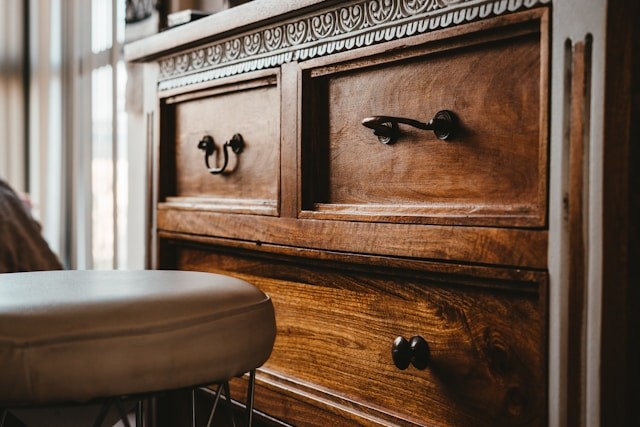
Dressers are a challenging project for DIY fans, scoring 52/100 on sentiment. As dressers contain multiple drawers, often one or more may be broken. There are numerous reasons for broken drawers, from faulty slides to collapsing bottom panels, so diagnosing the problem can be difficult. Drawers usually are fixable, although it can take time and effort to get them back in working condition. If your dresser has broken drawers, it’s a good idea to tighten loose screws, which can help strengthen panels and keep the slides securely in place.
Despite the challenges, there are endless possibilities for upcycling dressers. The data shows popular upcycles include kitchen islands, bar cabinets, gardening stations and children’s play kitchens. If you choose to repurpose your dresser as something to work on, for example, a kitchen island, ensure it’s the correct height for you to comfortably use. You also need to add a worktop and ensure your dresser is sturdy enough to support its weight. Adding wheels can also make a convenient mobile island.
Upcycling FAQs
How can I eliminate old smells?
What are natural ways to deodorise a piece of furniture?
Where can I find affordable materials for upcycling?
How do I remove rust from metal?
How do I remove old paint or varnish from wood?
How can I remove mould from furniture?
How can I prevent mould on furniture?
What is the best kind of paint for wood?
How can I repair water damage on wooden furniture?
How do I fix chipped or cracked wood?
Methodology and sources
We collected all comments and submissions from Reddit subreddits related to upcycling in 2024. The data collection included text, images, and other relevant data. We then cleaned the data by removing any irrelevant information, duplicates, or errors to ensure the accuracy of our data and its readiness for analysis.
Upon analysing the cleaned data, we used keyword frequency analysis to identify the most upcycled pieces of furniture. We determined the most common problems people face when upcycling these items. We also identified potential opportunities for conversions.
Finally, we conducted a sentiment analysis by running the Python package, senti-analyser, across all text and submissions to get a sentiment score. This helped us understand the overall sentiment of the discussions around upcycling on Reddit. We ranked each project on its sentiment score out of 100, with 100 being the most positive and 0 the most negative.