

- Help & Advice
- How To Guides
- How To Get Rid Of Weeds
How to Get Rid of Weeds
Don’t let weeds spoil the look of your garden. While they grow quickly and seem to appear out of nowhere, the good news is, with the right tools and know-how, weeds can be really easy to get rid of whether they’re sprouting up on your lawn or growing through your patio slabs.
In this article we’ll suggest some top tips for eradicating weeds, no matter where they are, and reducing the likelihood of them growing back.
What Causes Weeds?
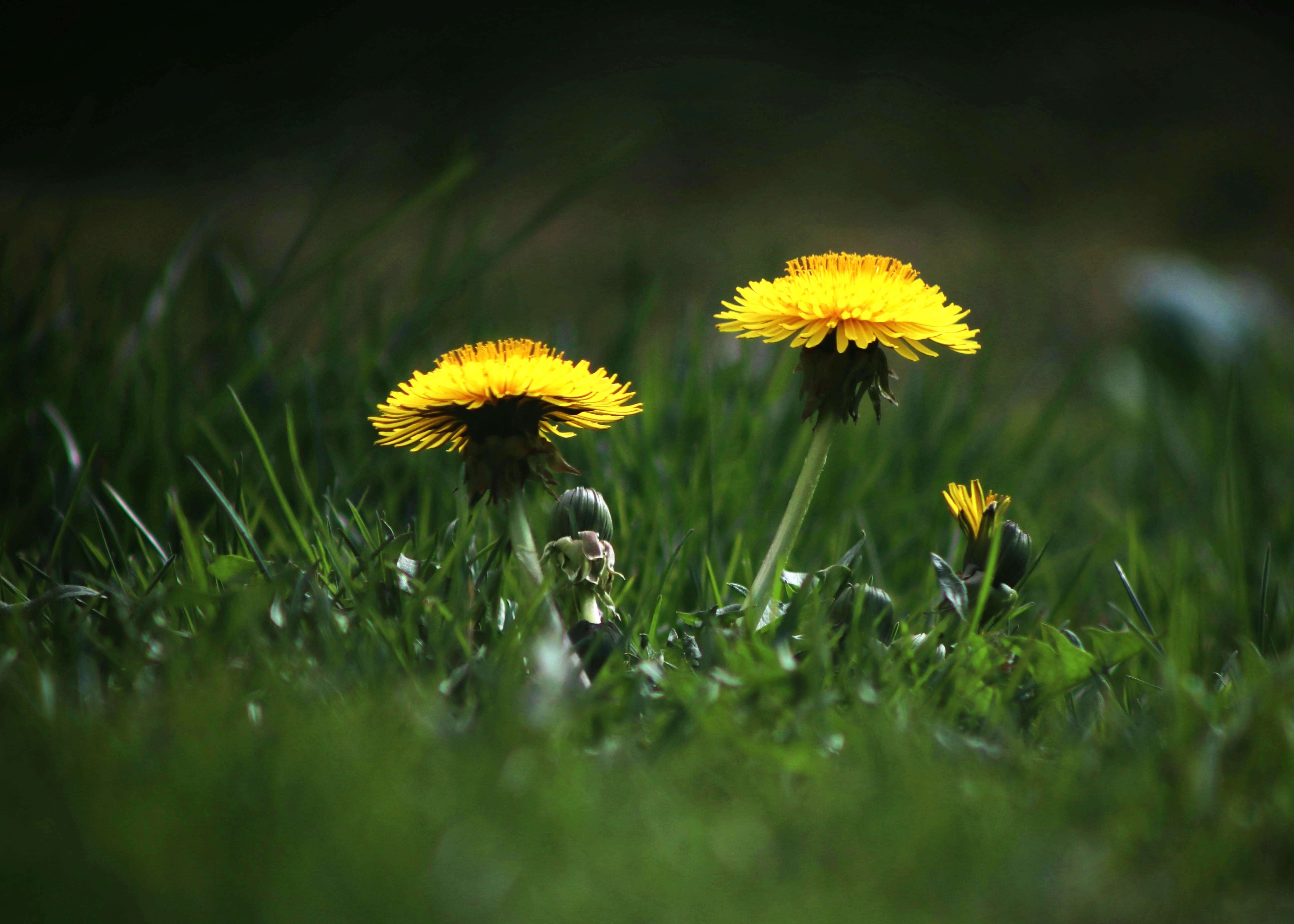
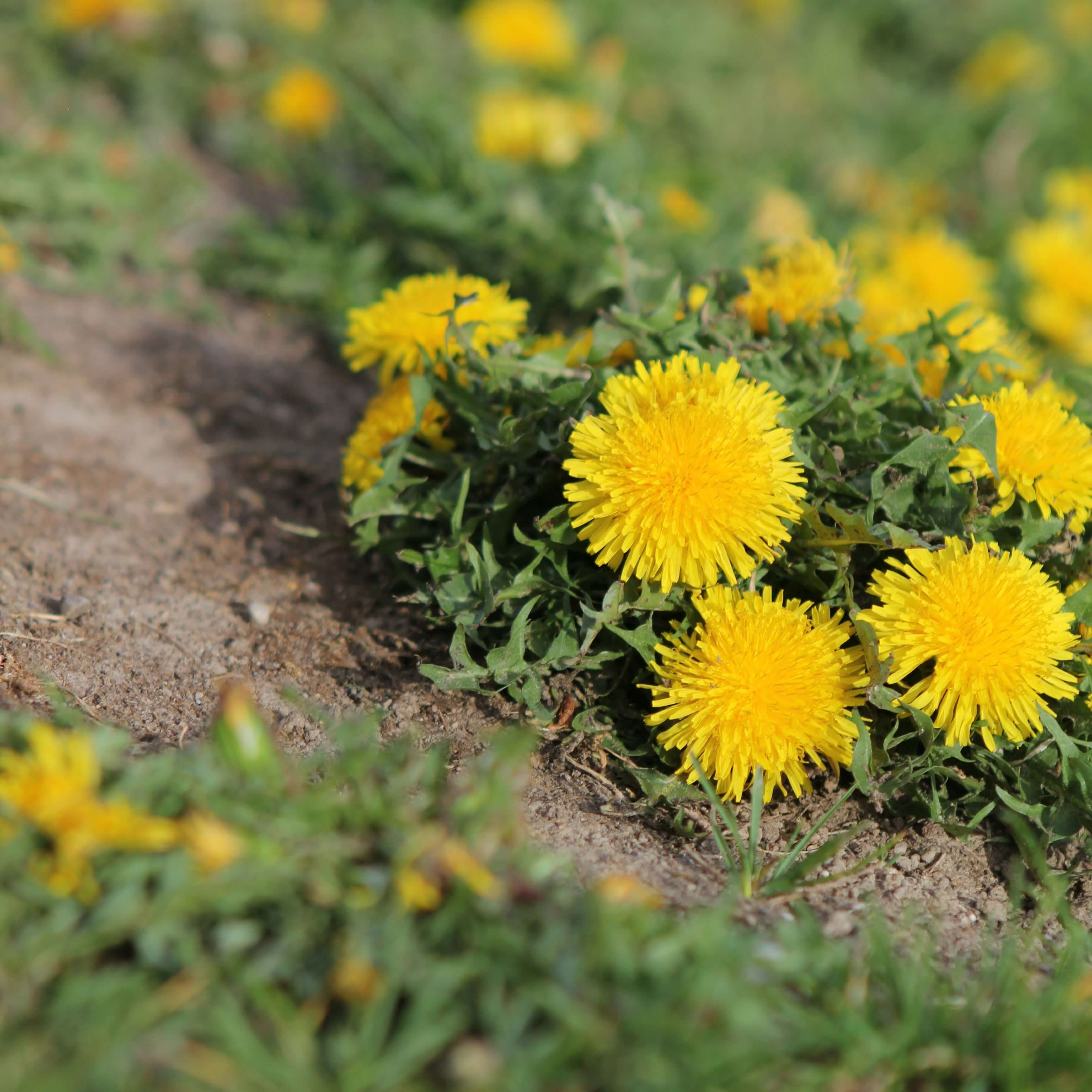
When it comes to your lawn, weeds typically grow in places where grass is weakest, so it’s pretty common to see them sprouting up on brown, bare patches of grass or in shady spots with less sunshine. This highlights the importance of caring for your lawn by keeping it in tip-top condition and therefore minimising the chances of weeds, like dandelions and clover, from taking hold.
If you have a patio, every now and then you’ll likely notice weeds protruding from slabs which look untidy and can ruin the overall look of your garden. But how do they get there? Over time, things like dirt, dead leaves and dust build up in between the slabs creating a kind of mini soil bed. This provides the ideal growing place for weeds and, if your patio gets lots of sunlight, the weed problem can be even worse.
There are several effective ways to get rid of weeds and the method you choose should depend on the location of the weeds (lawn, patio or flower bed) and how many weeds you have.
Tools & Equipment
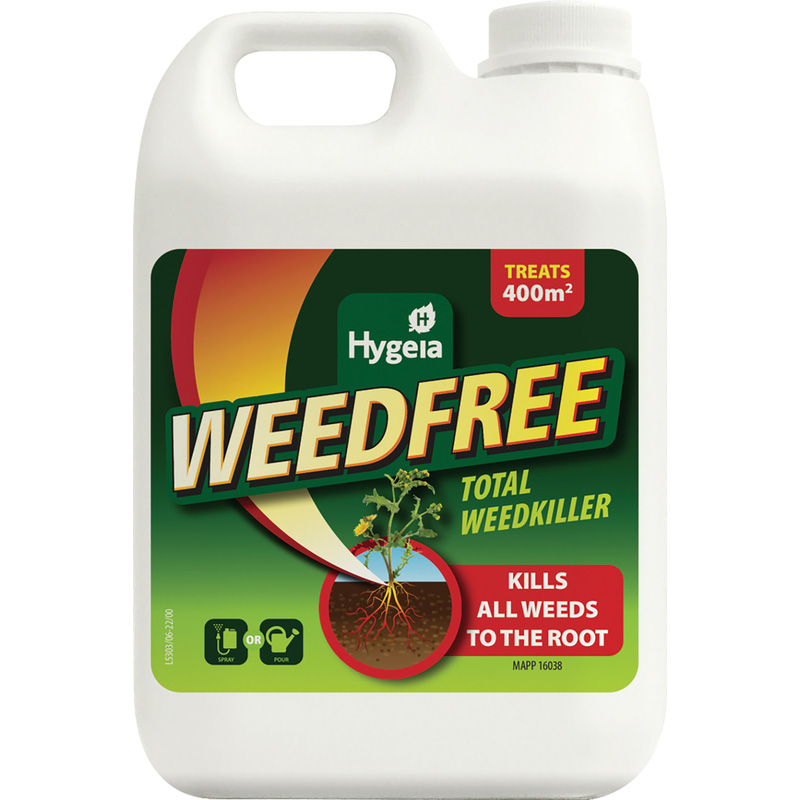
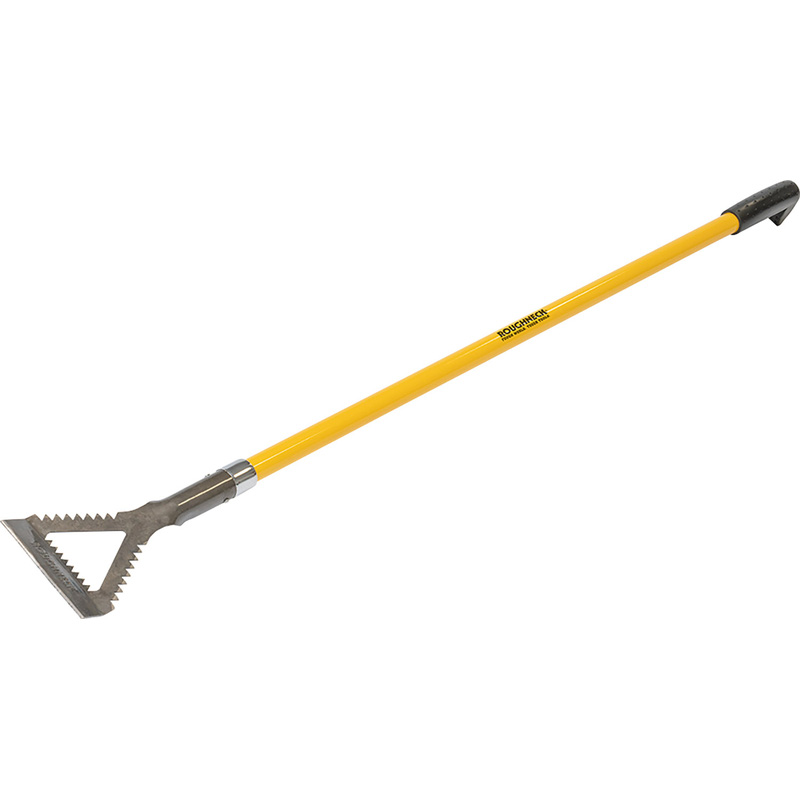
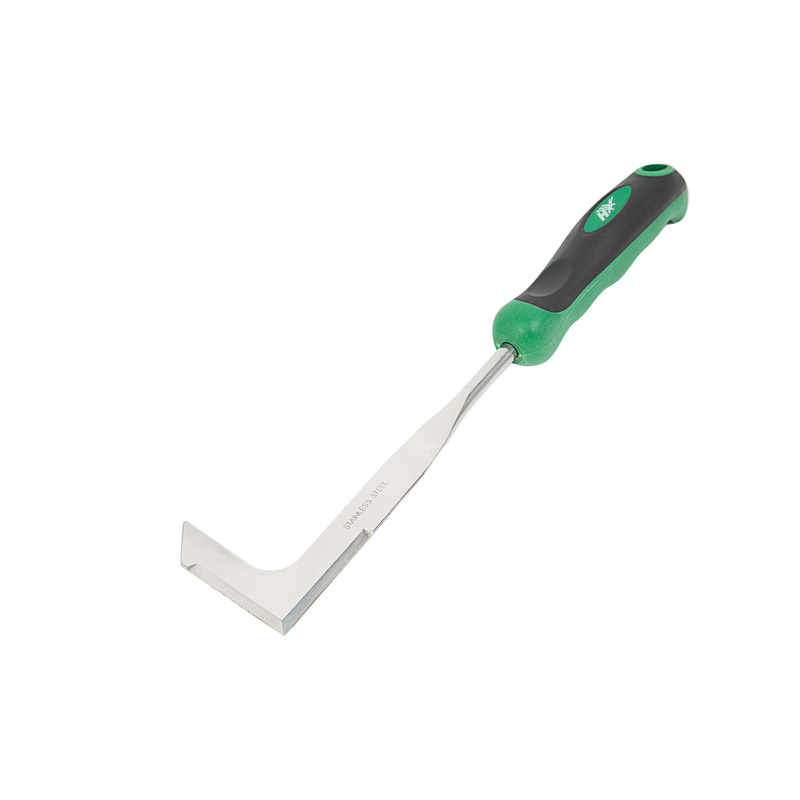
Below are some handy tools and equipment that can help you get rid of weeds and help to prevent them from coming back.
Method 1: Apply Weed Killer
Weed killer is probably the easiest way of killing off those pesky weeds. However, using chemicals in your garden isn’t always the best solution, especially if you have pets or small children. Usually the best time to apply weed killer is anywhere between late morning and early afternoon as the warmer temperatures allow the treatment to be most effective. That said, it’s a good idea to keep both pets and kids indoors to protect them from these often strong chemicals.
While weed killers can work well and be applied liberally to weeds growing up between patio slabs, it’s important to check the packaging. If you plan on using weed killer on your lawn, some products may not be suitable, so as well as reducing the weed population in your garden, you could end up damaging your grass in the process!
Method 2: Pull Them Out By Hand
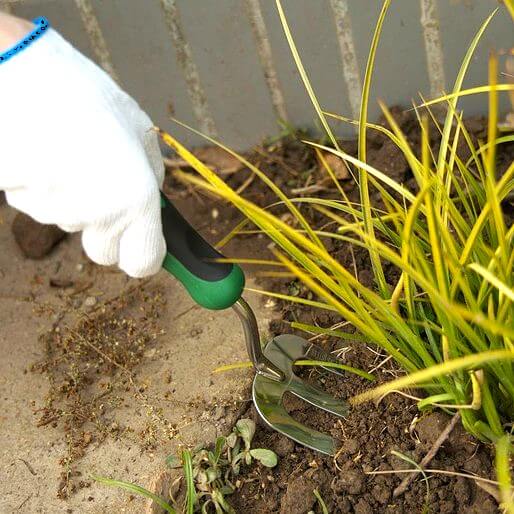
If you have a small number of weeds to contend with, then pulling them out by hand is one of the easiest ways of getting the job done fairly quickly, and without the need for any chemicals. Keep in mind that to prevent them from growing back, you need to pull out the weed in its entirety - and that includes the roots. When it comes to perennial weeds, like dandelions, they can survive cold, harsh weather conditions and live for a few years, so leaving behind any of the root means it can grow back quickly
While pulling out solitary weeds using just your hands can work, often you end up leaving behind some of the root. With that said, using a hand tool such as a dutch hoe or garden fork can mean you reach the entire plant to uproot it with ease. Whether you use a tool or your hands, aim to remove the weeds when the soil is damp, as it’ll make the job much easier.
Method 3: Scarify Your Lawn
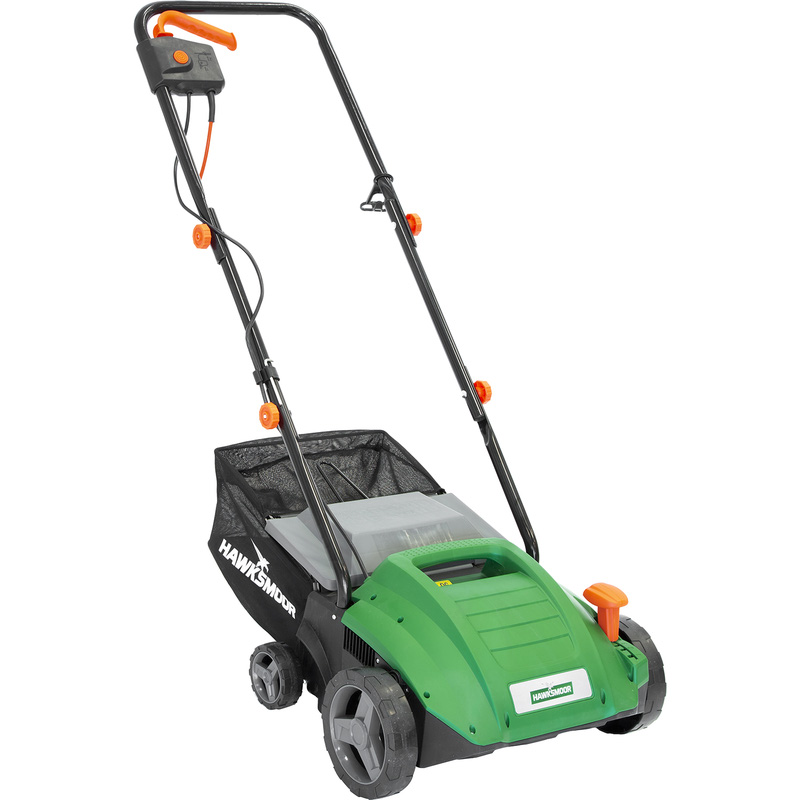
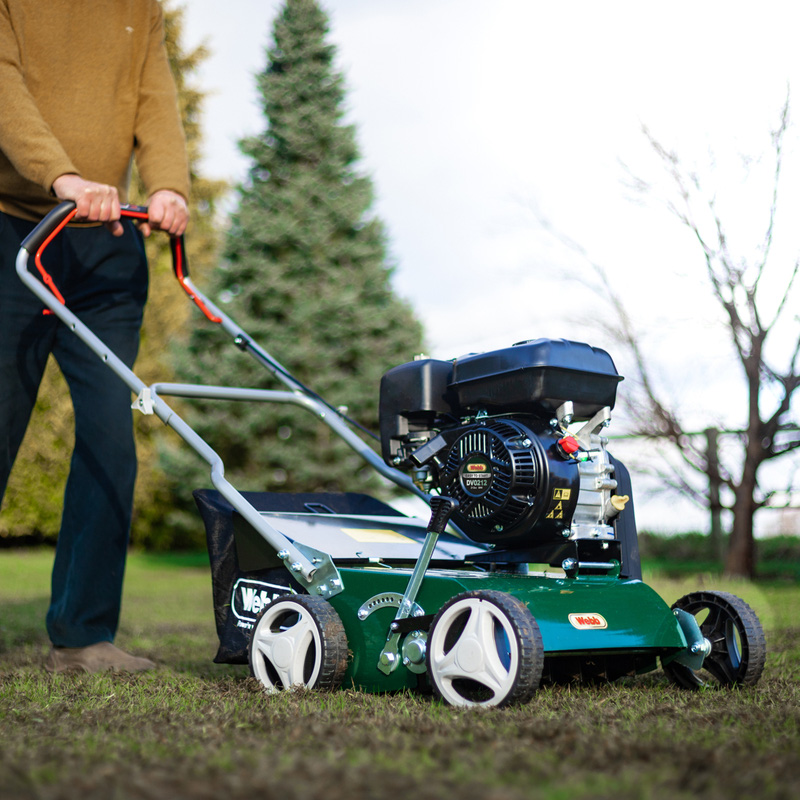
Using a scarifier is a great way of dealing with weeds and can give your grass a new lease of life. Over time, lawns can build up a thick layer of dead grass, moss, and other debris known as thatch. This layer can stop water and nutrients from reaching the soil, giving weeds the perfect opportunity to take over. By scarifying you’re clearing the way for your lawn to breathe, soak up nutrients, and grow back more densely. The process also pulls out a lot of shallow-rooted weeds along the way.
The best time to scarify a lawn is during spring or early autumn when the grass is growing steadily and can bounce back quickly. While your lawn might look a bit rough straight after, don’t panic -it’s just part of the process. With a little aftercare, you’ll soon notice stronger, healthier grass, which in turn helps crowd out any new weeds that try to appear.
Method 4: Mulch Over Them
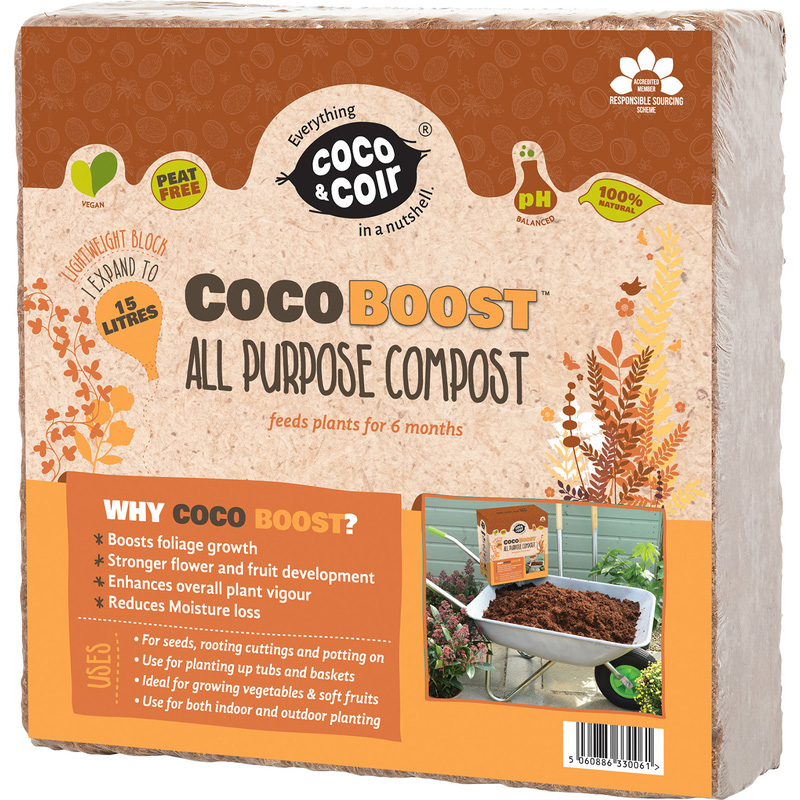
Mulching is a simple but effective way to keep weeds under control without having to resort to chemicals. By covering the soil with a thick layer of mulch, like bark, wood chips, or even compost, you can block out the sunlight that weeds need to grow. No light means no photosynthesis, and no photosynthesis means weeds won’t be able to germinate and take hold. It’s a great option for flower beds, borders, and around shrubs or bushes, and works especially well if you’re looking to keep things looking natural.
As well as smothering weeds, mulch also helps the soil retain moisture and keeps the temperature more even, which is good news for your plants. Be sure to lay it about 2 to 4 inches deep, and try not to pile it up against the stems of plants to avoid rotting. Over time, mulch breaks down and feeds the soil too - so you’re not just stopping weeds, you’re improving your garden overall.

Method 5: Use Weed Control Fabric
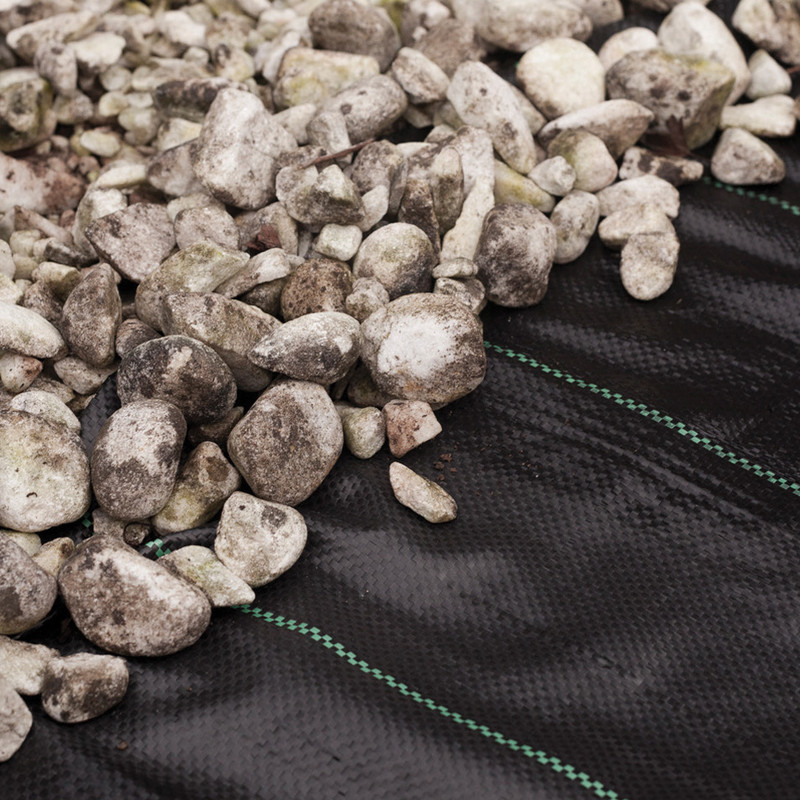
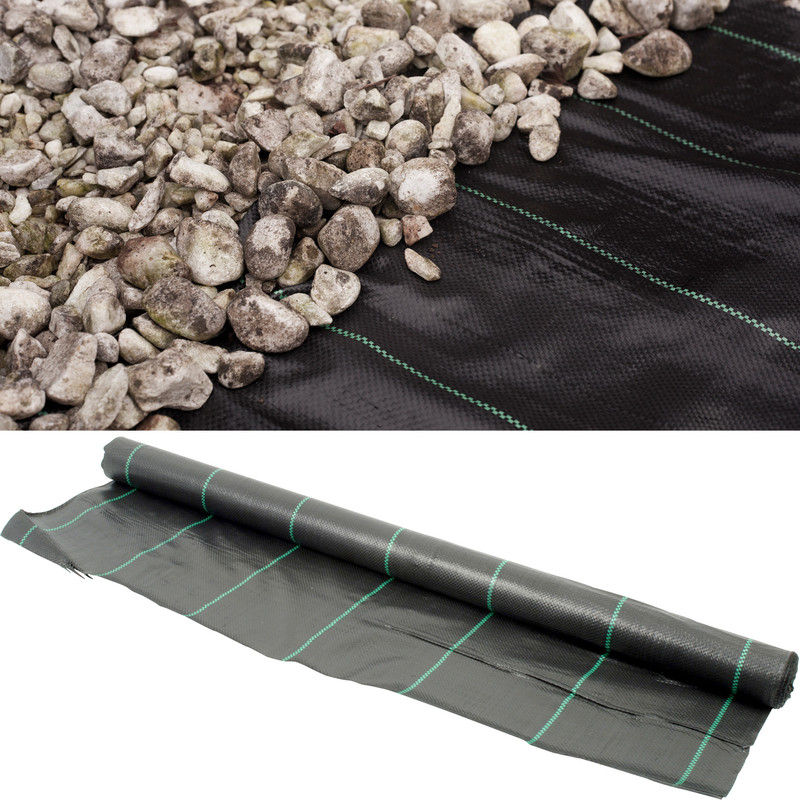
Weed control fabric, sometimes called landscape fabric, is a handy option if you're looking to prevent weeds from popping up in the first place. It works by creating a physical barrier that stops weed seeds from getting the sunlight they need to grow. Usually made from a breathable material, it still allows water and nutrients to reach the soil, which means your plants can continue to thrive while the weeds are kept at bay. Just keep in mind that this method is more about prevention than removal, so it's best used when you're setting up new flower beds or borders rather than trying to tackle an existing weed problem.
It’s also worth noting that weed control fabric isn’t really suitable for use on lawns or patios. Lawns obviously need open soil for grass to grow, and patios tend to have weeds growing in the gaps between slabs - places where fabric just won’t work. For best results, lay the fabric before planting, then cover it with a layer of mulch or decorative stones to hold it in place and help it blend into the garden. While it’s not a quick fix for established weeds, it can be a great long-term solution for keeping beds neat and low-maintenance.