

- Help & Advice
- How To Guides
- How To Sow Grass Seed
How To Sow Grass Seed
Sowing grass seeds is the first and most important step towards creating a healthy, green lawn that you can enjoy year-round. Whether you're starting afresh or filling in bare patches, the success of your lawn depends on proper preparation, the right seed choice, and consistent aftercare.
In this guide we’ll explain how to sow grass seed, taking you from soil preparation, choosing the best grass seeds for soil condition, and helpful tips for encouraging new grass growth. When done properly, you can grow a resilient, hard-wearing lawn that’ll enhance the beauty and enjoyment of your garden.
Things You Need To Sow Grass Seed
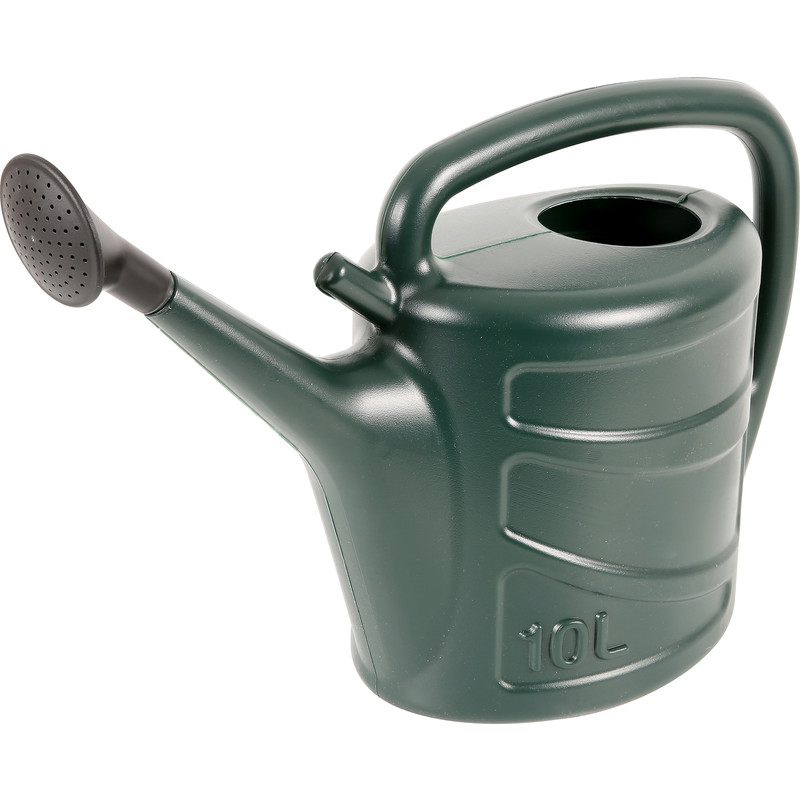
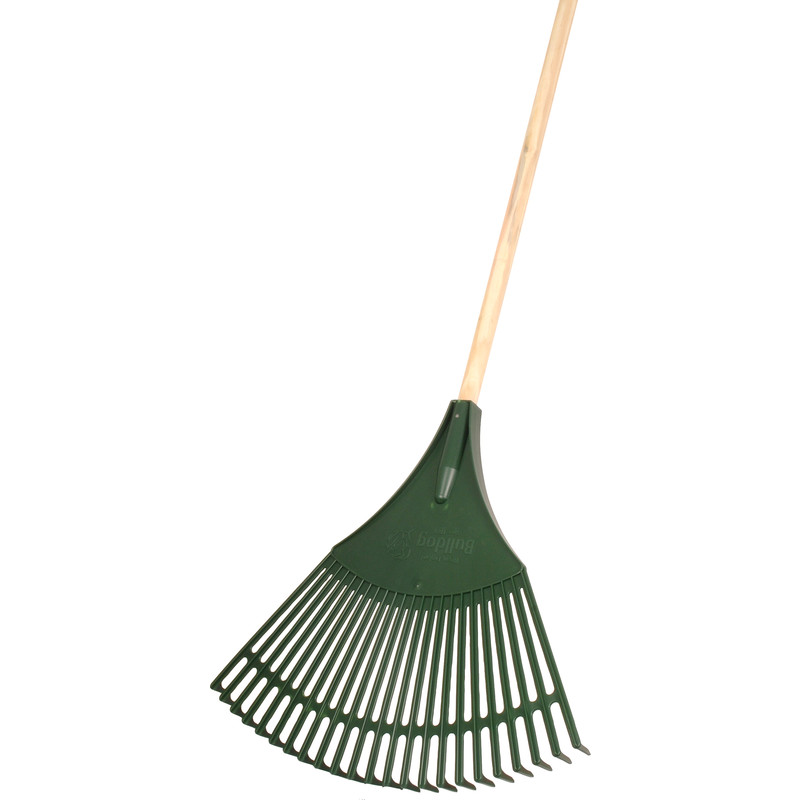


Step 1: Choose the Right Grass Seed
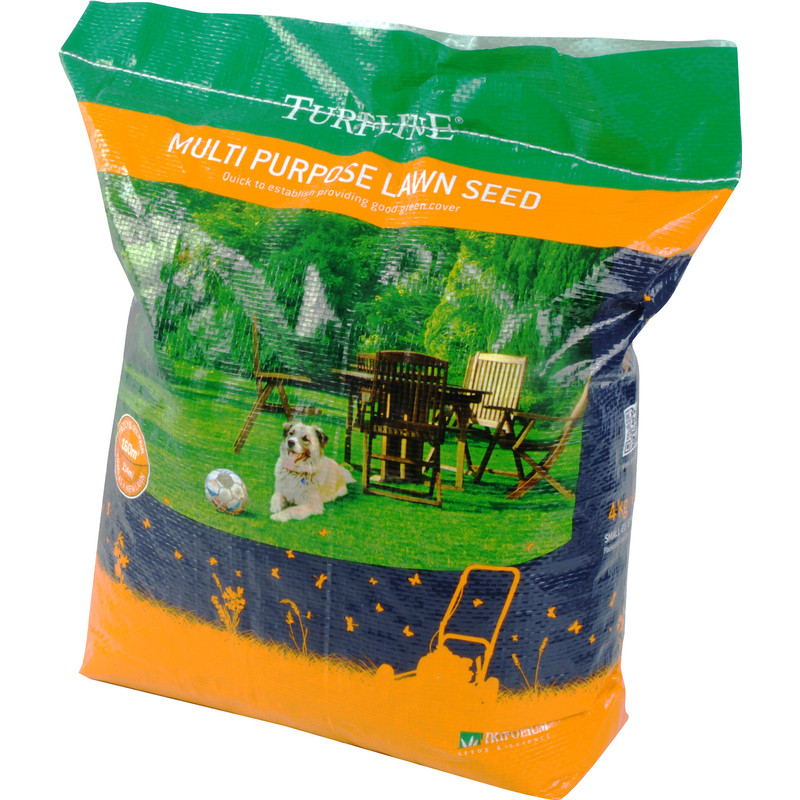
While there are different types of grass seeds to choose from, you can’t go wrong with a multi-purpose grass seed. These usually combine a mixture of fescue and ryegrass and are ideal for UK gardens which are likely to be subjected to colder temperatures during the Autumn and Winter.
Ryegrass is quick to grow, resilient and resistant to both pests and diseases. Whereas fescue seed is especially tolerant to temperature changes and grows well, even in shady spots in your garden. A mix of both is ideal and, with proper sowing, can result in a lush lawn that’s able to withstand the harshest weather conditions and a reduced likelihood of bare patches.
Step 2: Prep the Soil
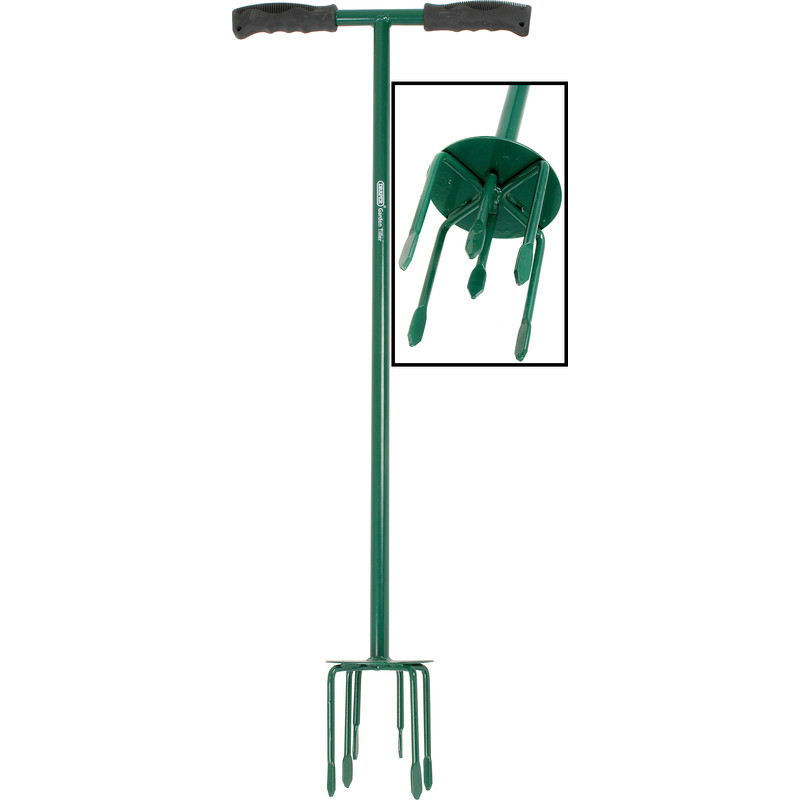
For grass to grow well it’s important to start with healthy soil. It’s a good idea to aerate your lawn prior to sowing seeds as this can improve drainage, ensuring water gets to the roots of the grass once the seeds have germinated. Take some time to clear the area of weeds, rocks and other unwanted debris. If the soil is compacted, it’s unlikely that any seeds will germinate. In which case, use a grass tiller to loosen up the top 2 to 3 inches of soil.
If you want to improve the texture and fertility of the soil top layer, mix in some compost. This provides new grass seeds lots of vital nutrients for better growth and improved plant health. Finish off by raking over the soil surface to create a level seedbed to promote good germination and even water distribution.
Step 3: Level and Moisten the Soil
An even surface prevents water from pooling and helps grass grow consistently. After leveling the soil with a rake, lightly water it the day before sowing, using a watering can for even distribution of water. The goal is to have damp (not soggy) soil. Moist soil helps seeds to stick in place and encourages faster germination.
Step 4: Sow the Grass Seed
If you're sowing smaller patches of land, you can use your hands to distribute the seed across the soil. On the other hand, if your lawn is larger it’s a good idea to use a lawn spreader.
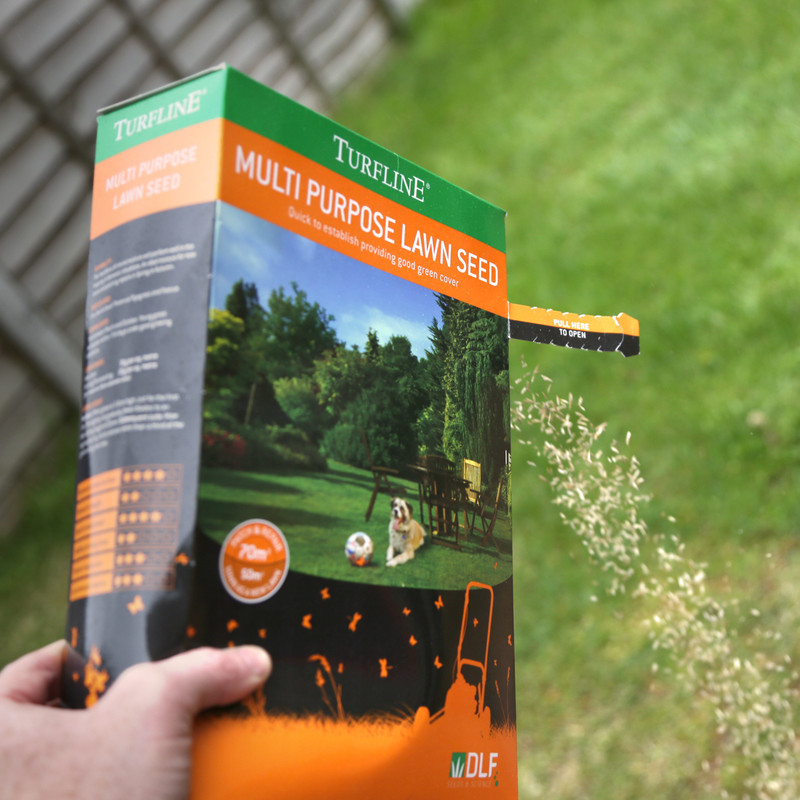
Spread half the seed in one direction and the other half at a right angle to ensure full coverage. Follow the seeding rate which refers to the number of seeds per unit area, you can usually find this on the packaging. For better distribution and visibility, you can mix the seed with dry sand at a 1:3 ratio.
Step 5: Rake and Press the Seed into the Soil
Lightly rake over the seeded area to cover the seeds with about ¼ inch of soil. This helps protect them from birds and wind while ensuring they make good contact with the soil. To press the seeds into the soil you could try gently walking over them or, for larger gardens, use a lawn roller.
Step 6: Water Carefully and Often
Proper watering is essential for seed germination. Water the area immediately after sowing using a fine mist or sprinkler. Keep the soil consistently moist by watering lightly once or twice daily until the seeds sprout - usually within 1 to 3 weeks. Once the grass is growing, reduce watering frequency but increase water volume to encourage strong roots.
Step 7: Care for the New Grass
Avoid walking on your new lawn to give the grass a bit of time to take root and grow properly. Once the grass reaches around 3 to 4 inches in height, mow it down to a couple of inches, making sure your lawnmower blade is nice and sharp. Wait to fertilize until after the first mowing unless you used a starter fertilizer during soil preparation. Continue watering regularly, and avoid using weed killers until the lawn is fully established, typically after 6 to 8 weeks.