

- Help & Advice
- How To Guides
- How to Drill Through Metal
How to Drill Through Metal
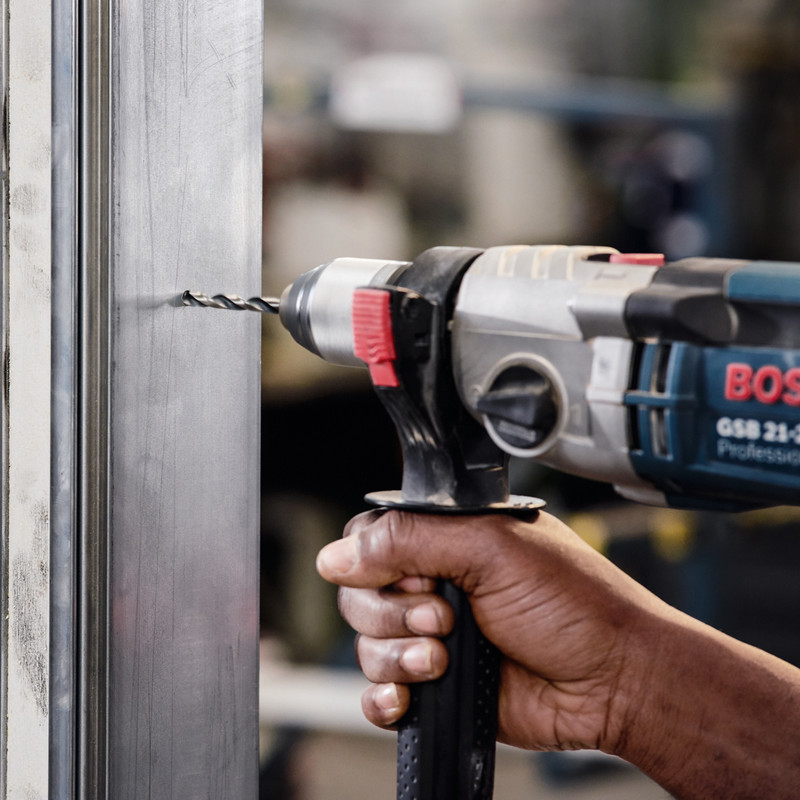
Many DIY and construction projects involve drilling into metal, whether it’s making a hole for a fastener or modifying a metal component for a custom fit. Compared to drilling into other materials, it may seem more difficult at first. However, drilling through metal is straightforward when you use the right tools and follow the proper techniques. From steel and aluminum to sheet metal and cast iron, each type of metal requires a slightly different approach for best results.
In this guide, you’ll learn how to drill into metal safely and the best type of drill bit to use along with common mistakes to avoid. Whether you're a DIY enthusiast or a professional tradesperson, these easy to follow steps will have you drilling through metal like a pro.
What Type of Drill Bit Can Drill Into Metal
Drill bits come in different shapes and sizes, and with different finishes but the best ones to use when drilling into metal typically depend on the specific type of metal.
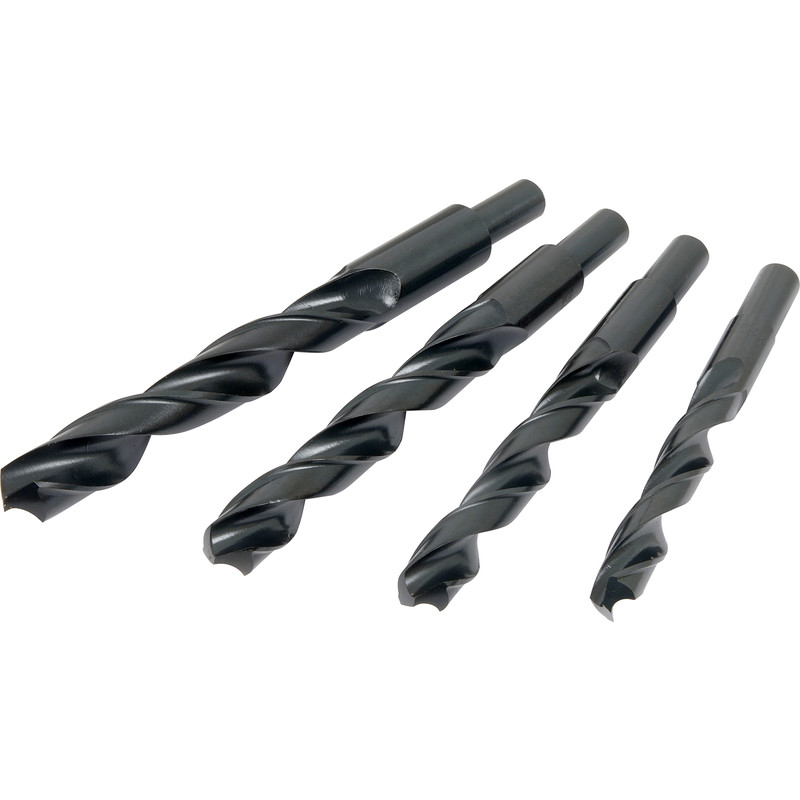
When drilling into soft metals (aluminium, brass, copper and mild steel) the best type of drill bit is an HSS drill bit. This stands for High-Speed Steel which is a very tough alloy that can stand up against high speed and heat.
Conversely, when drilling into hard metals (stainless steel, cast iron, high carbon steel and titanium) the best options would be carbide or cobalt drill bits. These types of drill bits are particularly hard wearing and can often maintain their sharpness for longer periods of time.
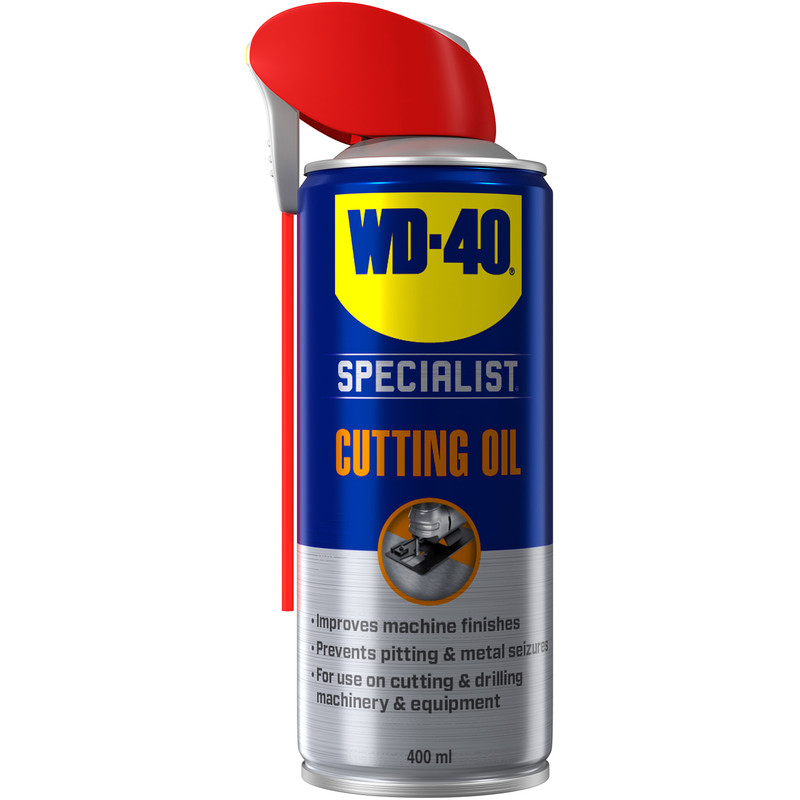
Whatever drill bit you choose to use, it can be a good idea to use it in conjunction with cutting oil. This helps to reduce friction and keep the drill bit cool as you drill into the metal.
Common Mistakes to Avoid
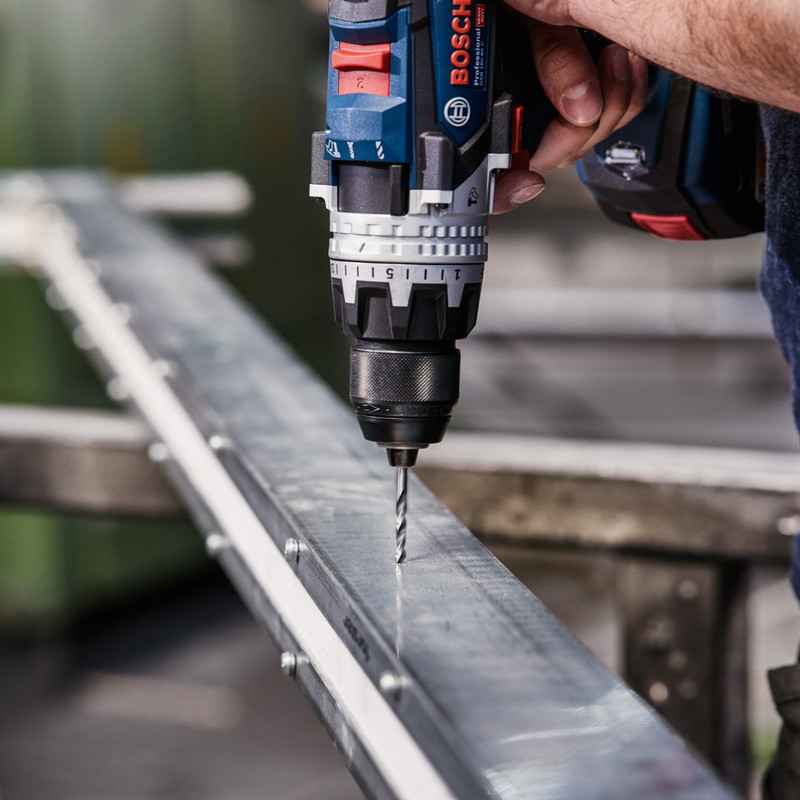
Drilling into metal requires precision, the right tools, and careful technique. However, many people make avoidable mistakes that can lead to poor results, damaged equipment, or even injury. Below are some of the most common errors and how to prevent them.
Drilling too quickly
The key when drilling into metal is to use slow speeds and pressure. If the drill bit is spinning too quickly, it’ll be difficult for it to dig in and start scooping away the metal. Instead, it’ll simply skip over the metal surface, overheat and blunt the drill bit. So, stick to a slow speed and enough pressure - but not too much as you could snap the drill bit!
Using the wrong drill bit
If you’re tempted to use any wood or masonry drill bits you already have in your toolbox…don’t! An incorrect drill bit will just end up blunting quickly, getting too hot and could break (which may be dangerous). It’s really important to use the proper drill intended for its material.
Not using cutting oil
Failing to use cutting fluid or a form of lubrication is a pretty common oversight. Drilling dry into metal creates friction, which leads to heat buildup and premature wear of the drill bit. A little cutting oil helps cool the bit, reduce friction, and improve drilling performance, especially when working with tougher metals.
Not drilling a pilot hole
Skipping a pilot hole is another mistake that can affect accuracy. Trying to drill a large hole in one go often results in the drill bit skimming over the surface, which can lead to off-centre or rough holes. By starting off with a smaller pilot hole you can guide the larger bit more precisely and reduce stress on your tool.
Not securing the metal
Failing to properly secure the metal before drilling could be dangerous. It could easily slip, rotate or cause the drill to bind (becomes forcefully stuck in the metal). It’s really important to secure your workpiece firmly using clamps or load it into a vice before you start drilling to keep everything stable and secure.
Neglecting safety gear
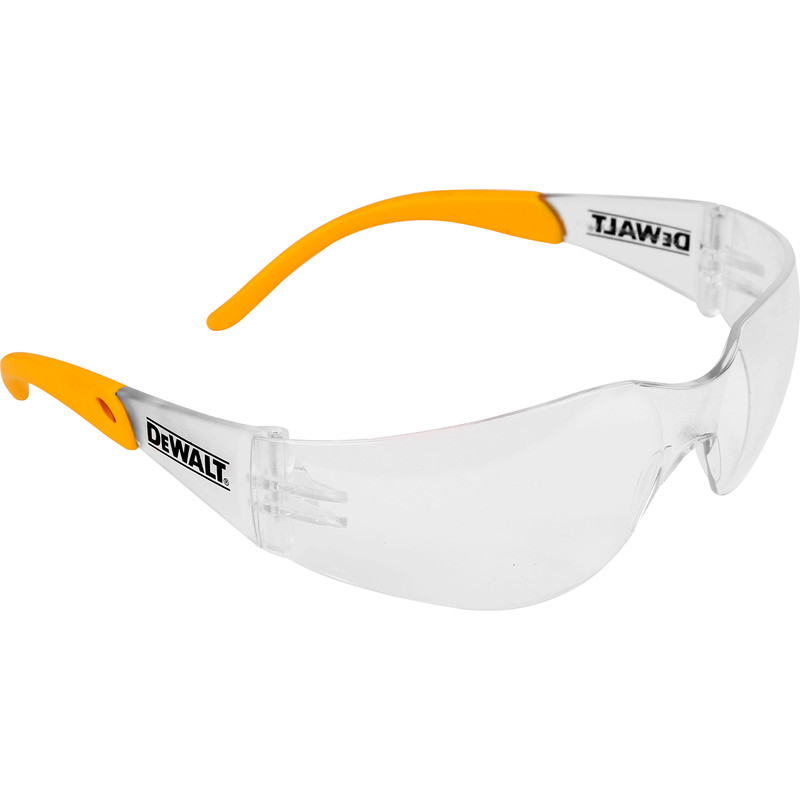
When drilling into metal one of the most important types of PPE you’ll need are safety glasses. Drilling into metal can produce hot, sharp metal shavings and fragments that may fly off in different directions. Always wear safety glasses and regularly clear the hole you’re drilling of any debris as it builds up.
Essential Tools & Equipment
Step 1: Choose the Right Drill Bit
As mentioned above, it’s crucial to select the appropriate drill bit for the type of metal you're working with. For drilling into soft metals like aluminum or mild steel, high-speed steel (HSS) drill bits will work well.
If you're drilling into harder materials such as stainless steel, it's better to use cobalt drill bits or ones that are titanium-coated, as they offer greater durability and heat resistance. For extremely hard metals like hardened steel or cast iron, you might need to use carbide-tipped bits. Make sure the bit is sharp and in good condition to reduce heat buildup and ensure a clean hole.
Step 2: Mark the Spot
Once you've chosen the bit, measure and mark the exact spot where you want to drill. Use a ruler, square, or tape measure for accuracy, then mark the spot with a marker or scribing tool.
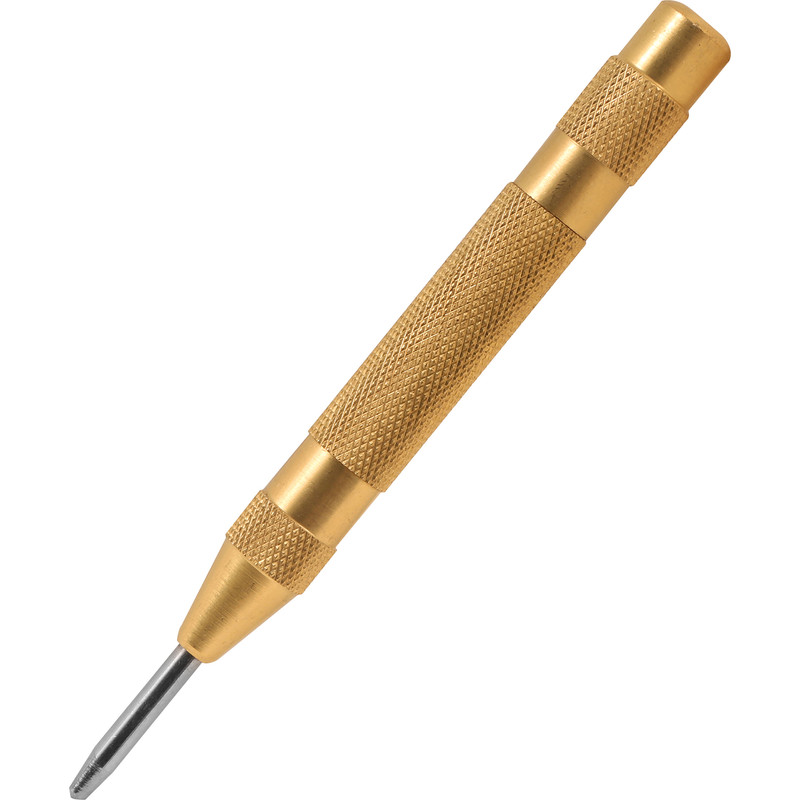
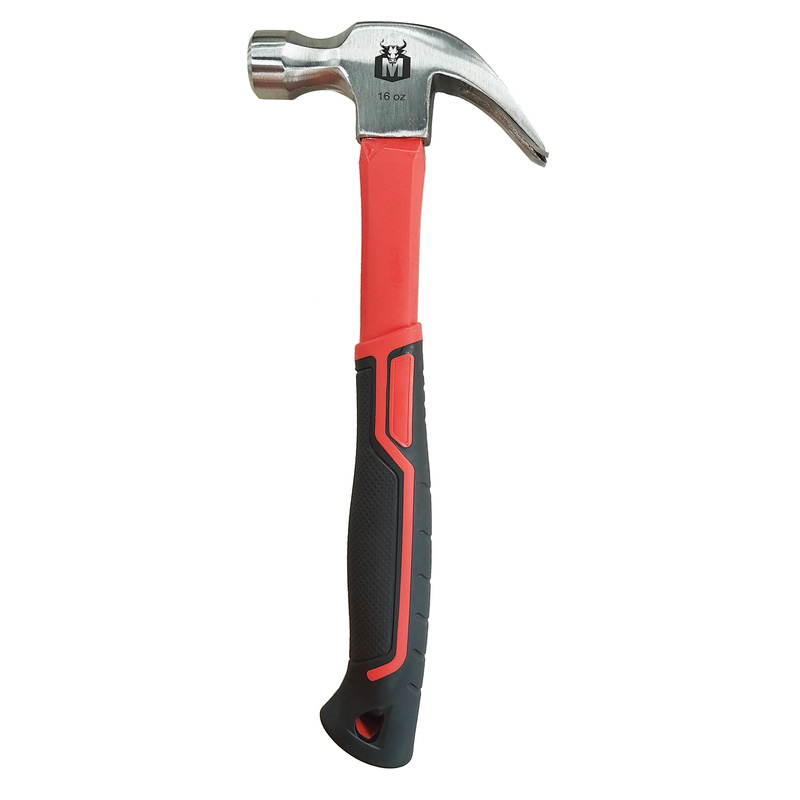
To make sure that the drill bit stays centered and doesn’t wander across the metal surface when you start drilling, use a centre punch. Place the punch on your marked spot and strike it lightly with a hammer to create a small indentation. This small dimple will help guide the bit and make your drilling more accurate and safer.
Step 3: Secure the Metal
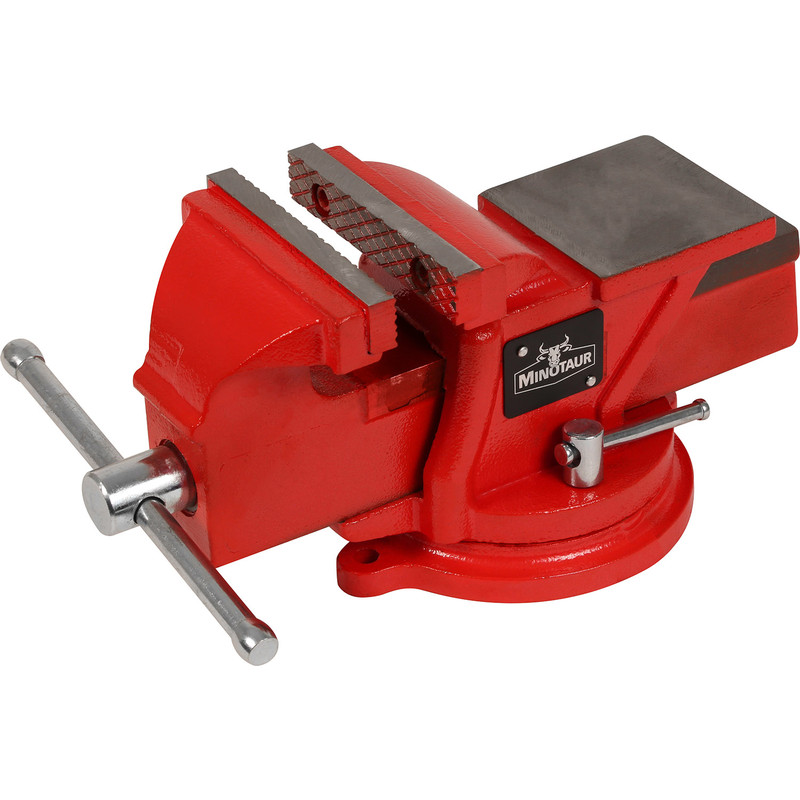
It’s easy for metal to shift under the pressure of a drill, which not only leads to crooked holes with a rough finish, but it can also be hazardous. Use a vice or heavy-duty clamps to fix the metal to a stable surface such as a workbench.
Make sure there is no wobble or movement. Never attempt to hold the metal in your hand while drilling, even small pieces can torque violently if the drill bit binds, potentially causing injury.
Step 4: Lubricate the Area
Before you start drilling, apply a few drops of cutting oil directly onto the area where you'll be drilling. Lubrication serves several purposes: it helps to reduce friction between the drill bit and the metal, keeps both the bit and the metal cool, and extends the life of your drill bit.
While this step isn't always necessary for soft metals like aluminum, it’s important for hard metals like steel or stainless steel, where heat buildup is more likely which can damage both your bit and the metal.
Step 5: Set up Your Drill
Prepare your drill for the job by securely tightening the chosen bit into the chuck. If you're using a variable-speed drill, which we’d recommended, set it to a low speed.
Drilling into metal should always be done at lower speeds than wood or plastic to prevent overheating. For small bits (under 3mm), you can use a higher speed, but anything larger should be run slower, around 500 to 1,500 RPM, depending on size. For a clean, straight hole hold the drill vertically so that the bit will enter the metal perpendicularly.
Step 6: Start Drilling
Pop on your safety glasses and start the drill and slowly bring the bit down onto the punched mark you made earlier. Apply light to moderate pressure as the bit begins to bite into the metal. Don’t push too hard and allow the bit to do the work. Too much pressure can cause the drill bit to overheat or break, while too little pressure can result in the bit skidding across the surface.
If you're drilling a thicker piece of metal, every now and then stop to back out the bit out and clear away any build up of metal shavings. Reapply lubricant during the process as needed to prevent excess wear and overheating.
Step 7: Finish and Clean Up
As you near the end of your drilling, ease off the pressure slightly so the bit doesn’t catch or tear the metal as it breaks through. Once you’ve drilled through the metal, remove the drill and wipe away any debris or excess oil.
Check the hole for burrs (sharp, ragged edges around the rim) these can be cleaned up with a deburring tool or even a metal file. If you're planning to insert a bolt, screw, or other hardware, now is a good time to test the fit.