

- Help & Advice
- Buying Guides
- Different Types of PPE
Types of PPE: What You Need to Know
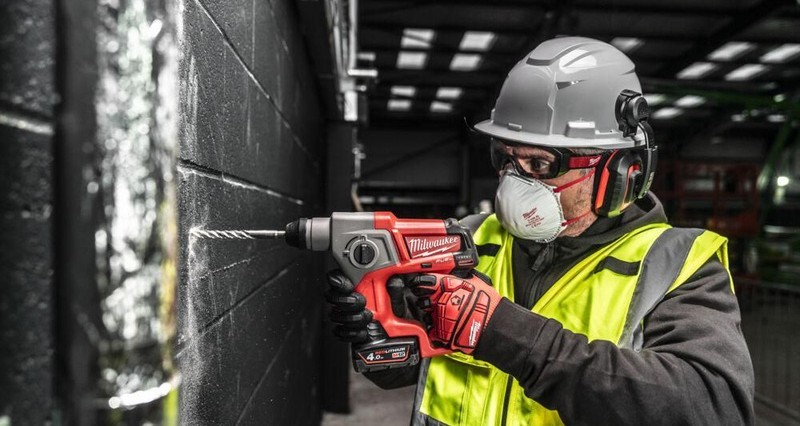
PPE, or personal protective equipment, refers to the gear that is used as part of health and safety compliance to protect individuals from illness and injury at work. It’s used across a wide range of industries including healthcare, pharmaceuticals, and construction, to name a few. In this guide, we’ll take a closer look at the different types of PPE, along with when and where it might be used.
Before we delve deeper, let’s consider the importance of PPE and why it matters.
Depending on the nature of your work and location, PPE is typically provided by your employer in order to manage risks within the workplace. For example, a construction worker on site may be exposed to head injuries from falling objects and is therefore legally required to wear a hard hat - a rigid protective helmet. Conversely, in a hospital environment, healthcare workers are expected to use gloves and face masks to prevent the spread of infections while protecting the wearer's skin and clothing.
Rules When Wearing PPE
Personal protective equipment is regulated by the Health & Safety Executive (HSE), and both employers and employees are expected to adhere to rules regarding its provision and use.
In line with risk assessments, employers should ensure that all PPE, regardless of type, is properly assessed ensuring that it’s suitable for the task at hand and that the employee has been properly trained on its use. It’s also necessary to carry out regular checks on all PPE and to keep an inspection register up to date in line with these checks.
Employees have a duty to ensure that any PPE supplied to them is used properly and in line with the training they have received. It’s also important that staff check PPE immediately prior to use, looking for signs of damage or faults, and that they return it to its original place after use. As a general rule, PPE is usually kept at its place of business where it’s readily available to those who need it. That said, these rules can differ when it comes to things like safety footwear or clothing, which is typically not shared amongst others.
Types of PPE
Hard Hats
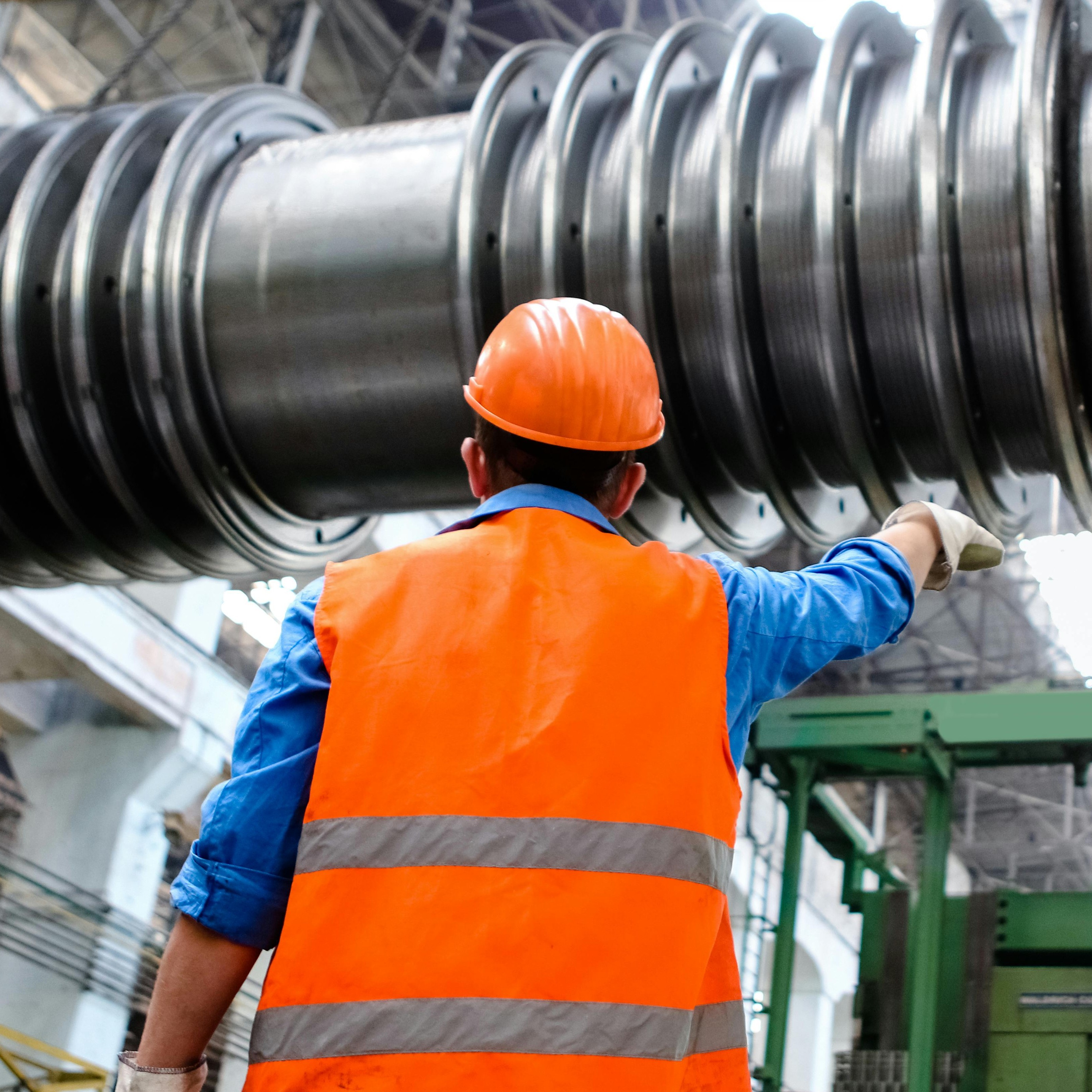
There are different types of hard hats and they're crucial for head protection in hazardous environments, safeguarding against falling objects, impacts from fixed structures like machinery or scaffolding, and electrical dangers. These essential items of PPE are classified based on the type and level of protection they offer. Type 1 hard hats protect against impact to the top of the head, while Type 2 helmets provide broader protection from both top and side. What's more, hard hats are graded for their electrical insulation: Class G protects up to 2,200 volts, and Class E offers protection up to 20,000 volts.
The various colours of hard hats often signify the role or responsibility of the wearer on construction and industrial sites, helping with quick identification. While there are some common colour coding standards, it's important to note that individual sites or companies may have their own specific colour classifications, which can vary.
Safety Goggles
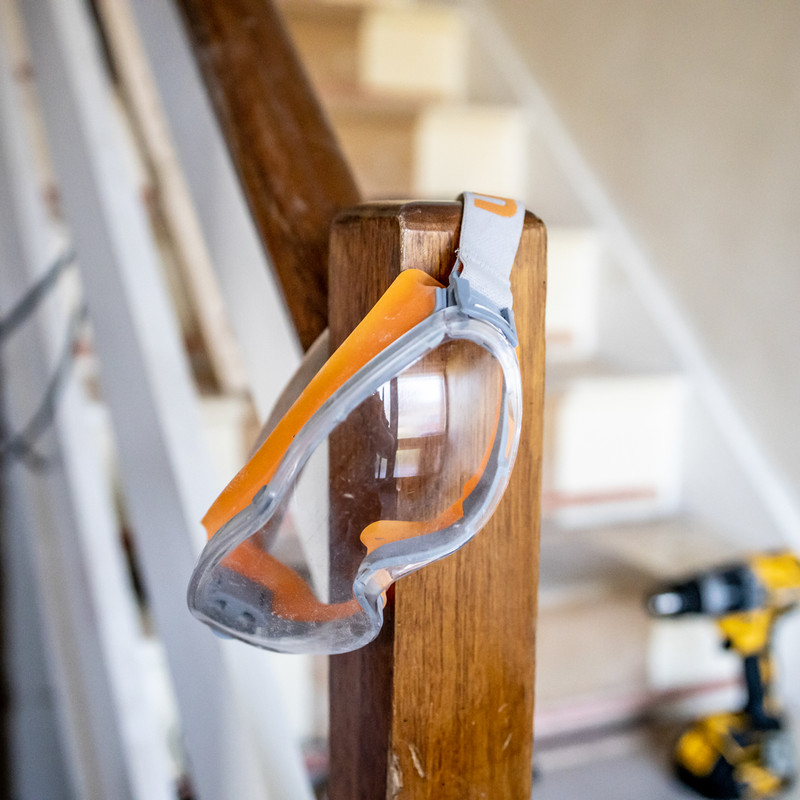
Safety goggles provide eye protection by forming a secure seal around the eyes to defend against a variety of workplace hazards. Their design offers superior protection compared to safety glasses, particularly against things like chemical splashes, flying debris, and dust. While they can sometimes be bulky and more difficult to achieve a perfect fit, their secure strap fastening ensures they remain in place during demanding tasks.
These goggles are especially well-suited for industrial environments, such as manufacturing and engineering, where workers frequently encounter airborne particles, impact risks, and chemical exposure. That said, beyond industrial use, they're also highly recommended for household tasks involving strong cleaning products or power tools, offering essential protection for the eyes.
Safety Glasses
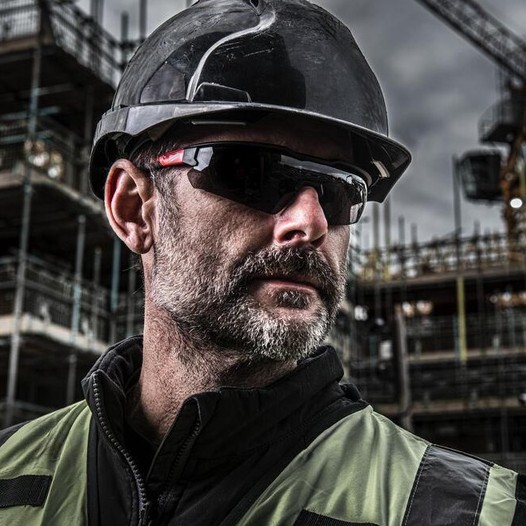
Compared to safety goggles, safety glasses offer a more lightweight and convenient form of eye protection, which take on a similar appearance to regular spectacles. While they're easier to put on and take off and are generally more comfortable for extended wear, they don't provide the same level of protection as goggles due to the absence of a complete seal around the eyes. This makes them a more basic form of eye protection.
Safety glasses are typically more affordable than goggles and are ideal for environments where the risk of eye injury is relatively low. Some models are available with magnification, which can be beneficial for intricate tasks such as working with small components or soldering. Their ease of use and reduced bulk make them a practical choice when full enclosure is not a necessary requirement.
Ear Protection
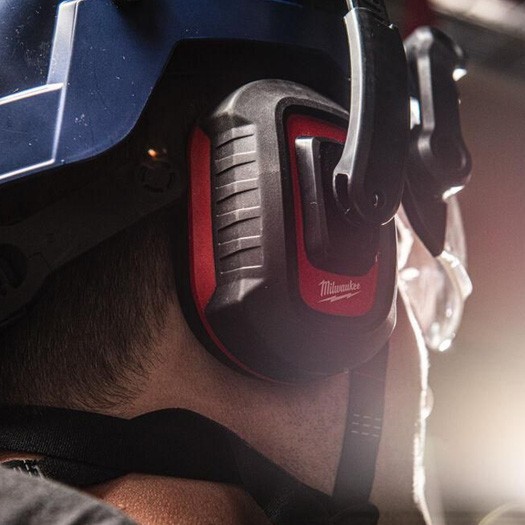
Ear protection primarily comes in two main forms: earplugs and ear defenders. Earplugs are disposable items designed to be inserted directly into the ear canal, offering a lightweight and cost effective solution. Ear defenders, on the other hand, resemble headphones and are worn over the ears, providing a more robust but also more cumbersome form of protection.
Earplugs generally offer superior protection against excessively loud noise and are highly portable due to their small size. However, some individuals may find them difficult to insert correctly. Ear defenders, while potentially uncomfortable for prolonged wear and less portable, are easier to put on and take off, making them a better option for intermittent noise exposure. It's worth noting that ear defenders can sometimes interfere with the use of other personal protective equipment, such as safety goggles or glasses.
Respirators
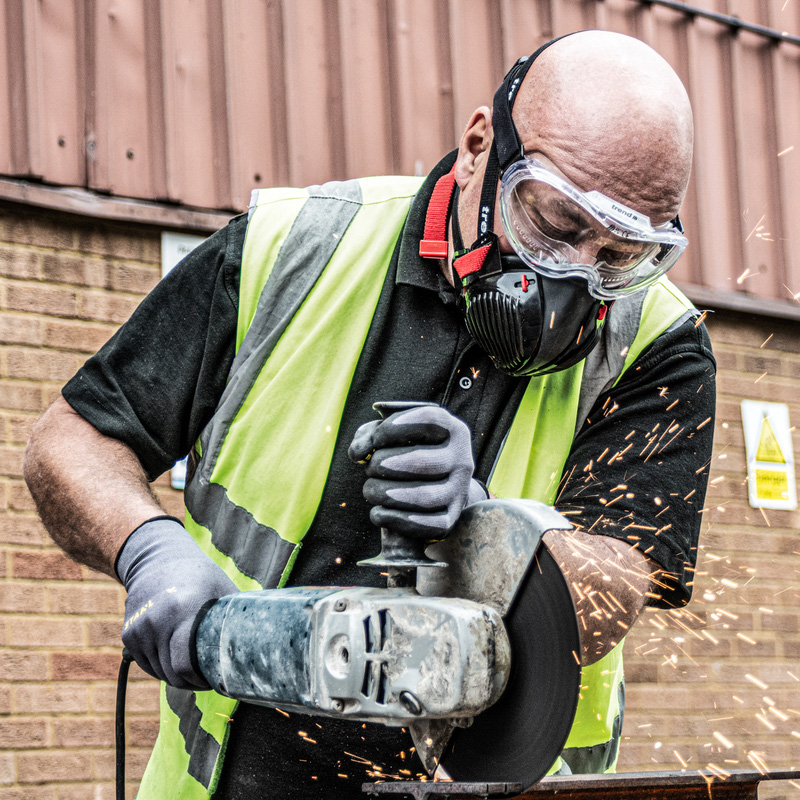
Respirators are essential protective devices designed to safeguard the wearer's respiratory system from airborne contaminants such as toxic fumes, gases, smoke, and dust. These devices are not all the same and are classified by different levels of protection, ranging from P1 to P3, with P3 offering the highest degree of filtration. A P3 respirator, for instance, provides superior filtration for a broader range and finer particles, including more toxic substances, compared to a P1.
A specific type, FFp3 respirators, offers the same high level of protection as the P3 variation but is designed for single use and disposal after wear. Respirators are often used in industries such as chemical processing and manufacturing, where workers are regularly exposed to high levels of airborne particles and hazardous substances, making them crucial for maintaining respiratory health.
Safety Gloves
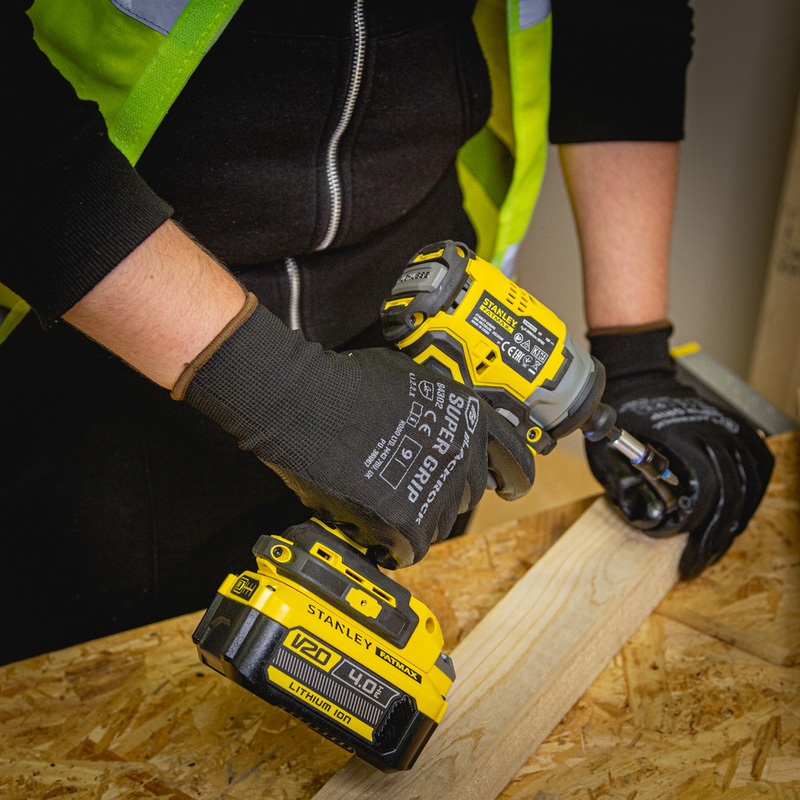
Safety gloves are essential for hand protection across various industries, available in a range of types tailored to specific hazards. Disposable nitrile gloves are commonly used in healthcare settings and provide crucial chemical protection. For increased durability and regular use, reusable gloves are a popular choice, often featuring superior grip for handling oily or dry substances, and some even come with waterproofing and elasticated cuffs.
Specialised gloves, such as rigger gloves, offer excellent protection against hand injuries, while thermal safety gloves are designed to keep hands warm in cold environments. What's more, certain gloves incorporate hi-visibility elements, making them perfect for low-light conditions or night work.
Safety Footwear
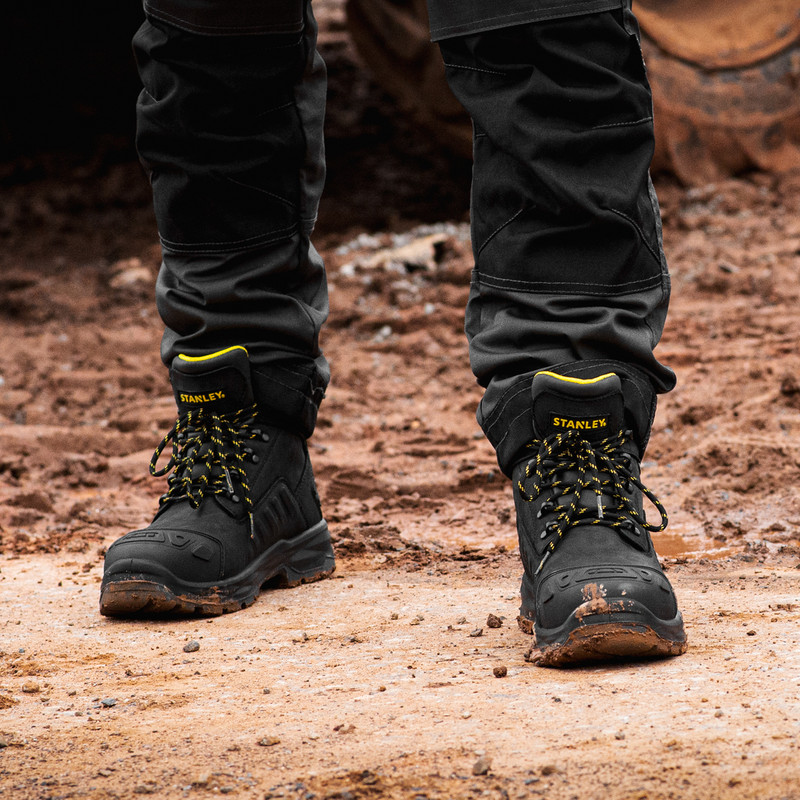
With many different types of safety footwear available, all are engineered to protect the feet in demanding work environments. Options range from safety boots, which provide excellent ankle support, to more comfortable safety trainers suitable for prolonged wear. For industries involving wet conditions, such as wastewater management, waterproof safety wellies and rigger boots are perfect for keeping feet dry at all times.
A key feature across all safety footwear is the protective toe cap, which can be made from steel, composite materials, or aluminium. All safety footwear is rigorously categorised by safety ratings, clearly indicating their level of protection and the most appropriate environments for their use.
Knee Protection
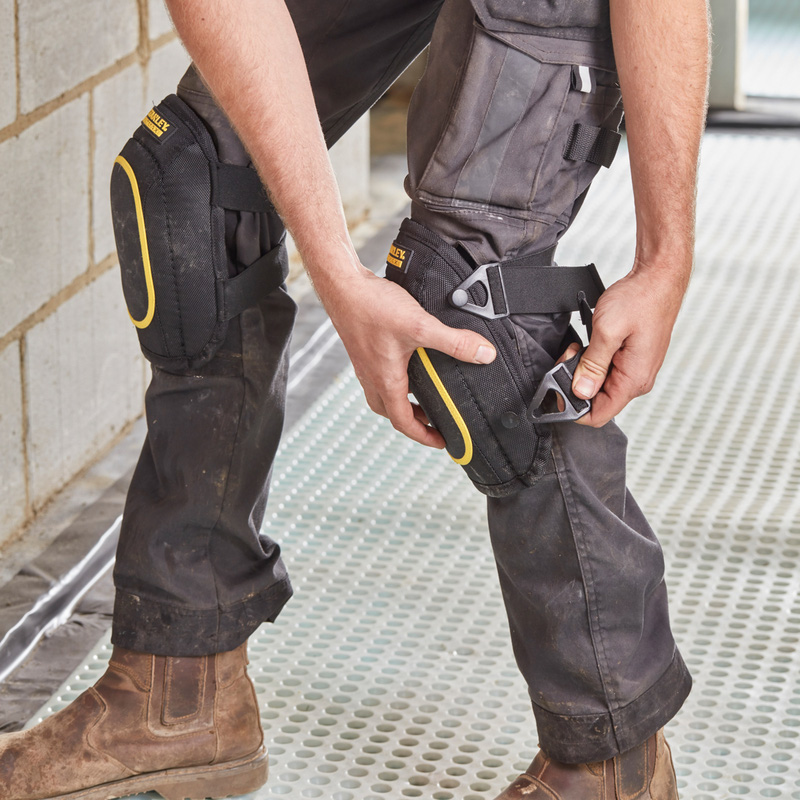
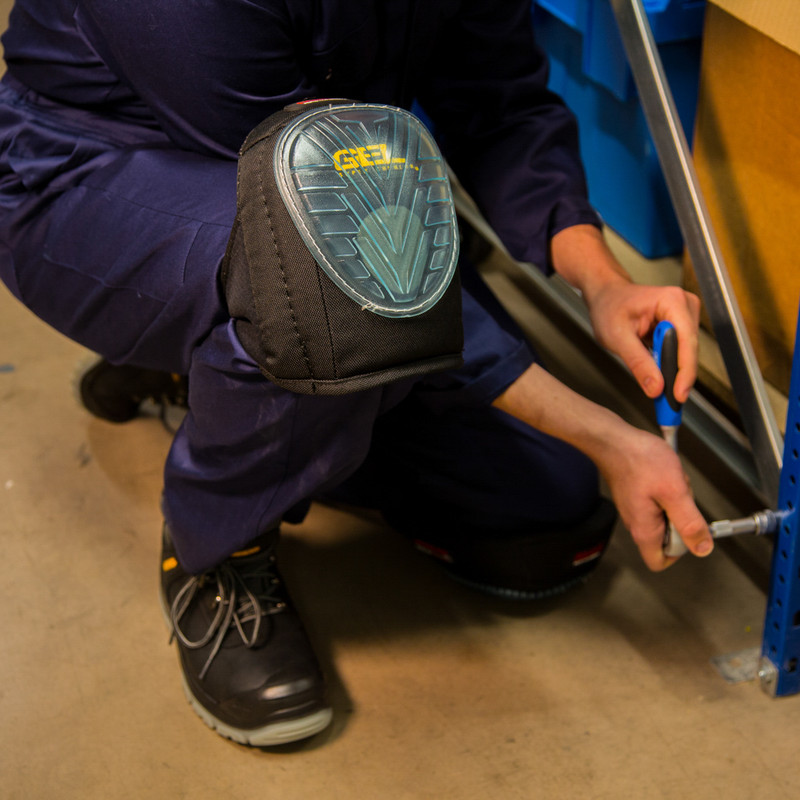
Knee pads are important protective gear designed to provide cushioning and prevent knee injuries during tasks that involve kneeling, such as roofing, floor tiling, and general floor fitting. These protective aids are constructed from various materials, including rubber, foam, and gel. Gel knee pads, though typically more expensive, are highly valued for their improved comfort as they conform to the shape of the kneecap.
Rubber knee pads, on the other hand, offer exceptional durability and excellent resistance to penetration from sharp objects. All types of knee pads are worn directly over the kneecap and secured in place with a strap to ensure they remain effective.
Coveralls
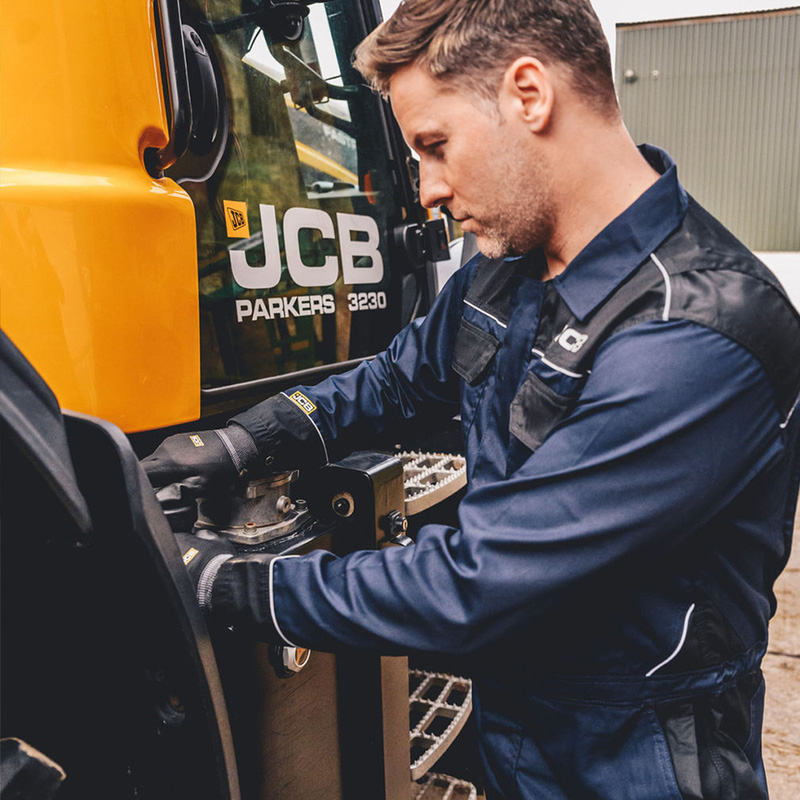
Coveralls provide full-body protection for both the skin and clothing, making them essential in a variety of industrial settings where workers may encounter specific hazards. In healthcare, for instance, they're crucial for protection against various infections and bodily fluids, with some designs even featuring hoods for enhanced coverage.
Commonly made from either cotton or lightweight, breathable polyethylene, coveralls can be single-use and disposable, particularly the polyethylene options. Thicker, more durable cotton options are typically machine washable and reusable, providing protection against dirt and grease, commonly seen in professions such as car mechanics or welders who are regularly exposed to grime.

Hi-Vis Clothing
High-visibility (Hi-Vis) clothing, available in various types such as jumpers, trousers, polo shirts, and waistcoats, is specifically designed to enhance the wearer's visibility. This is achieved through the use of bright fluorescent colours and reflective panel strips, making individuals more noticeable, especially when working on busy roads or in low-light conditions.
All Hi-Vis clothing must comply with the EN ISO 20471 standard, which categorises garments into three classes based on the percentage of fluorescent and reflective material used. Class 1 is typically for low-risk situations, Class 2 is suitable for public roads and twilight hours, and Class 3 offers the highest level of visibility for working in complete darkness.