


- Help & Advice
- Buying Guides
- Decking Oil vs Stain
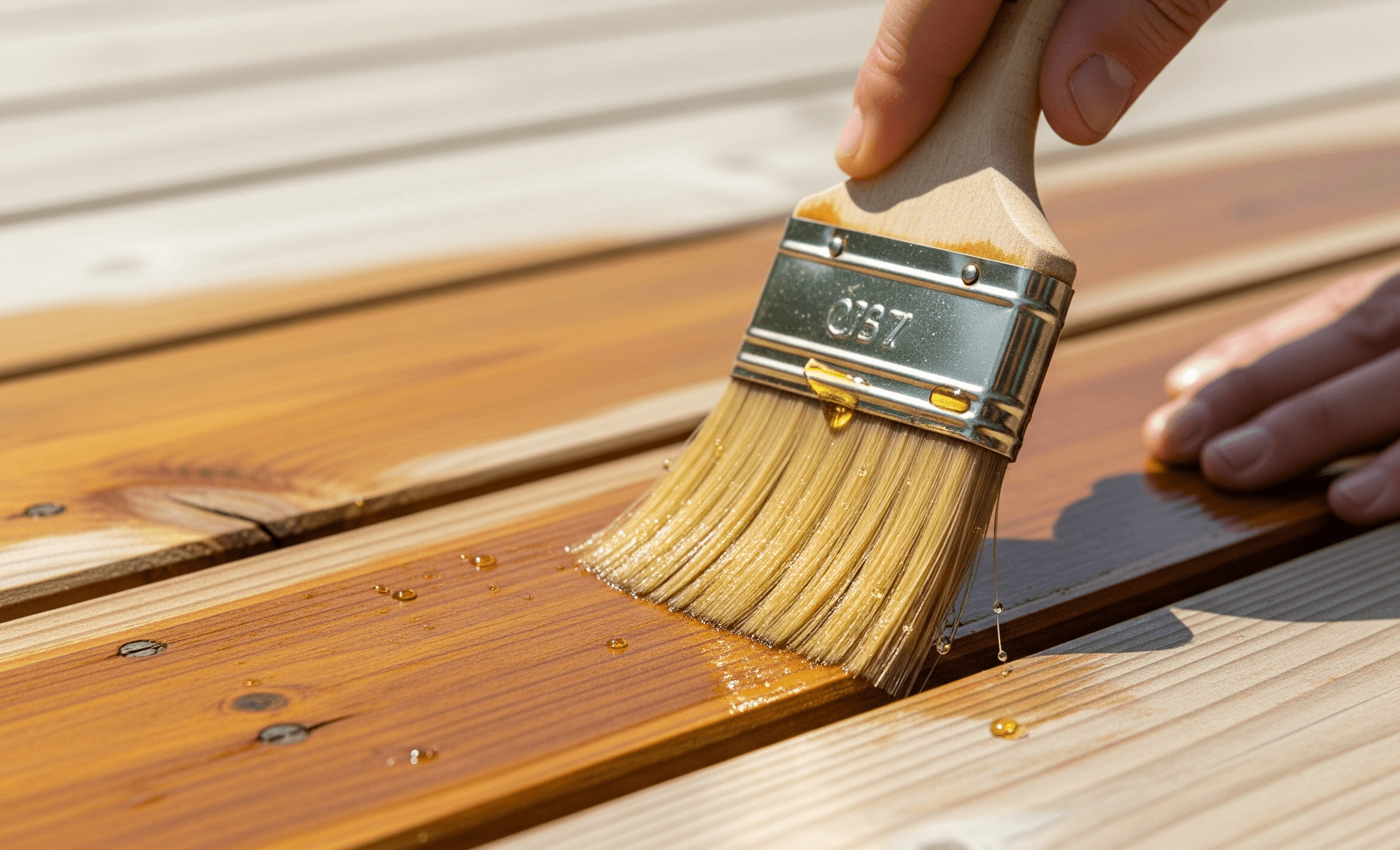
Decking Oil vs Stain: What’s the Difference?
If you’re about to embark upon a DIY project to enhance and protect your decking, you may be considering applying some decking oil or stain. Both are great products that can breathe a new lease of life into your decking while protecting the wood from harsh weather conditions. However, they each have their own unique benefits and drawbacks worth considering before you decide.
The Main Differences Between Decking Oil and Stain
The primary difference between the two products is that decking oil penetrates the wood to protect it from within, whereas decking stain sits on top of the wood, adding a layer of colour. Decking oil is a transparent or semi-transparent product that offers great protection against moisture and UV rays, which helps to increase the longevity of the wood. This more transparent finish allows the natural grain of the wood finish to show through. As well as a clear finish, decking oils do come in different colours, but nothing too radical and tend to stick to this natural theme, with colours being described as cedar and oak. This can help to enhance the natural beauty of the wood while protecting it at the same time.
Decking stains, on the other hand, are less about protecting the wood and more about changing the aesthetic with a different colour, thanks to their highly pigmented finish. Because of this, aside from natural wood colours, you can also get other colours such as green and grey. While some stains still show the natural grain of the wood, others appear more as a paint, so keep this in mind when making your decision.
While decking stains do offer some protection against UV rays and adverse weather, it’s not as much as decking oil, which is designed to penetrate and soak into the wood offering superior protection against rainfall, splitting and warping. So, if your aim is to highlight the natural beauty of the wood while replenishing the natural oils that are typically lost over time, you should choose decking oil. If you’d prefer to change or refresh the colour of your decking, the wide variety of colours and opacities make stain the obvious choice.
The Benefits of Decking Oil
Protects Against Moisture
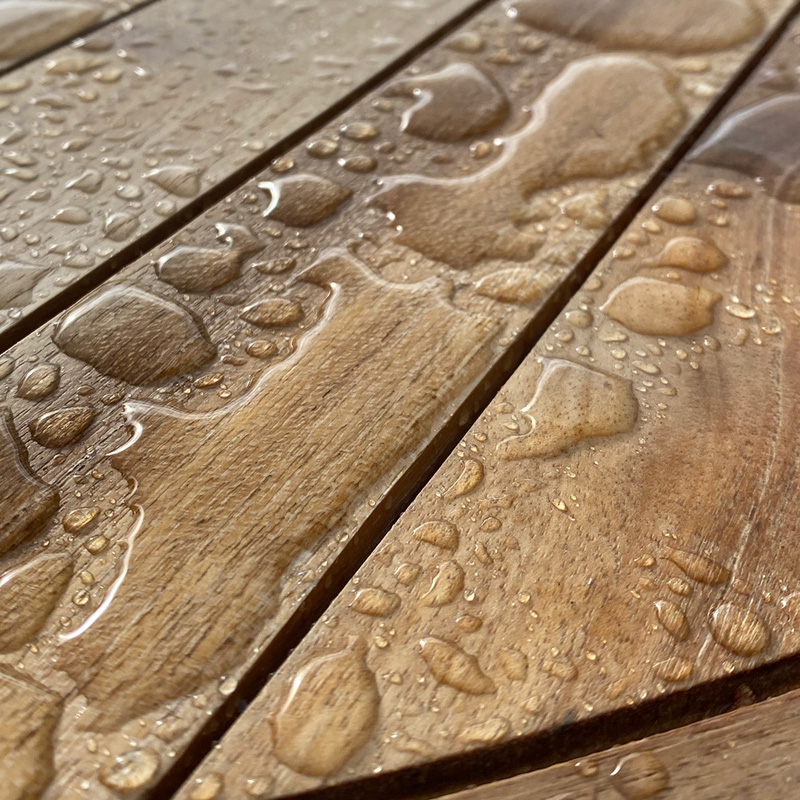
Decking oil penetrates deep into the wood, helping to repel water and prevent warping, cracking, and swelling caused by moisture which can increase the life span of the wood.
Enhances Natural Wood Appearance
Oil adds a lovely shine and highlights the natural grain and color of the wood, giving it a richer and more attractive finish.
UV Protection
Many decking oils contain UV filters to reduce sun damage, which can help to prevent fading and discoloration over time.
Prevents Drying and Splitting
It's common for wood to dry out over time but oil keeps the timber nourished and flexible, reducing the likelihood of it drying out and splitting.
Easy to Apply and Maintain
Application is typically straightforward (brush, roller, or cloth), and maintenance is easier compared to paints or varnishes. What's more, you can reapply without having to strip the wood first.
Breathable Finish
Unlike varnish or paint, oil allows the wood to breathe, which helps to prevent trapped moisture and wood rot.
The Drawbacks of Decking Oil
Requires Regular Reapplication
Decking oil typically needs to be reapplied every 6–12 months, depending on exposure, weather conditions and foot traffic.
Limited Color Range
While it enhances natural wood tones, decking oil doesn’t offer the vibrant colour choices you can get with stain or paint.
Can Be Slippery
Some oils can create a slightly slick surface, especially when freshly applied or if over-applied. Be sure to allow for sufficient drying time before walking across it.
Can Darken Wood
Over time, some oils may darken the wood, especially with repeated applications. To try and avoid this, you could stick with transparent oils.
Does Not Form a Hard Surface
Unlike varnish or paint, oil does not form a hard protective layer on top, this means it can offer less resistance to scuffs and marks.
Initial Curing Time
It can take several hours (or even days in humid weather conditions) for the oil to fully cure, during which the deck shouldn't be walked on.
The Benefits of Decking Stain
Adds Color While Showing Grain
Decking stain comes in a wide variety of colors and shades. It adds pigment to the wood but still allows the natural grain to show through, especially with semi-transparent stains.
UV Protection
Stains provide good UV protection. The added pigment blocks and absorbs more sunlight than oil alone, helping to prevent fading and discolouration.
Moisture Resistance
Decking stains penetrate the wood which helps to protect it from water damage, this in turn reduces the risk of rot and swelling.
Better Surface Protection Than Oil
Some stains create a thin film which can offer more protection against foot traffic, and surface wear and tear when compared to decking oil.
Mildew and Mould Resistance
Many decking stains contain mildew-resistant additives. During damp weather conditions, this can help deter mould growth which, in time, could lead to wood rot and decay.

The Drawbacks of Decking Stain
May Require Surface Prep
Unlike oil, you may need to clean, sand, or strip the deck before reapplying stain – especially if it starts to peel or flake.
Can Flake or Peel Over Time
If applied too thickly or if the wood wasn't properly prepped beforehand, stain can peel resulting in additional maintenance.
May Hide the Wood’s Natural Beauty
Solid or opaque stains can hide the wood grain, making it look more like paint than natural timber.
Less Breathable Than Oil
Some types of stains can trap moisture if the deck isn’t completely dry before you apply it, which could lead to rot underneath.